Judge Suppresses Some Evidence in Mangione Case
Luigi Mangione evidence suppression ruling
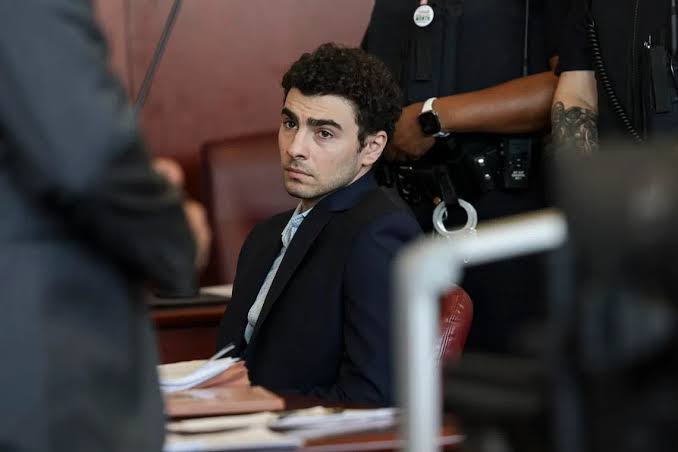
A New York state court judge issued a significant pretrial ruling on Monday regarding the murder case against Luigi Mangione, who is accused of the December 2024 assassination of UnitedHealthcare CEO Brian Thompson. Justice Gregory Carro partially granted the defense’s motion to suppress evidence seized during Mangione’s arrest in Altoona, Pennsylvania.
The judge ruled that the initial search of Mangione’s backpack conducted by police at a McDonald’s restaurant was an improper warrantless search, as the bag was not within the suspect’s immediate reach at the time.
As a result of this ruling, several items recovered during that initial encounter must be excluded from the upcoming state trial. These suppressed items include a loaded handgun magazine, a cellphone, a passport, a wallet, and a computer chip.
Justice Carro determined that these materials were obtained in violation of the defendant’s Fourth Amendment rights. However, the ruling also provided a major legal victory for prosecutors, as the judge allowed a separate set of evidence to be admitted.
Justice Carro concluded that a subsequent, more thorough inventory search of the backpack conducted later at the police station was lawful. Consequently, prosecutors will be permitted to present key pieces of evidence at trial, including a 3D-printed gun and a notebook that investigators have described as a “manifesto.”
These items are considered central to the state’s case, as they allegedly link Mangione to the killing of Brian Thompson outside a Manhattan hotel.
The ruling, which also rejected a request to suppress Mangione’s initial statements to law enforcement, sets the stage for the state murder trial scheduled to begin on September 8. Mangione, 28, has pleaded not guilty to all charges.
While he continues to face federal stalking and firearms charges in a separate case—where a federal judge previously ruled the backpack evidence could be admitted—the state court decision clarifies the evidentiary boundaries for the proceedings in Manhattan. The trial is expected to last approximately six weeks, with both legal teams preparing for the final phase of courtroom arguments.