
Trump Shelves Project Freedom Over Saudi Airspace Denial
Trump Project Freedom Saudi Arabia
President Donald Trump has officially suspended the ambitious naval operation known as Project Freedom after less than 48 hours of activity in the Strait of Hormuz. High-level reports from NBC News and The Wall Street Journal indicate that the sudden pause followed a diplomatic breakdown where Saudi Arabia and Kuwait restricted the U.S. military from using their bases and airspace.
These regional allies were reportedly blindsided by the sudden launch of the mission on May 4, 2026. They feared that the aggressive U.S. attempt to break the Iranian blockade would lead to an uncontrollable escalation of the current regional war. Without access to these strategic locations, the Pentagon lacked the necessary defensive umbrella to protect commercial vessels and American personnel from Iranian retaliation.
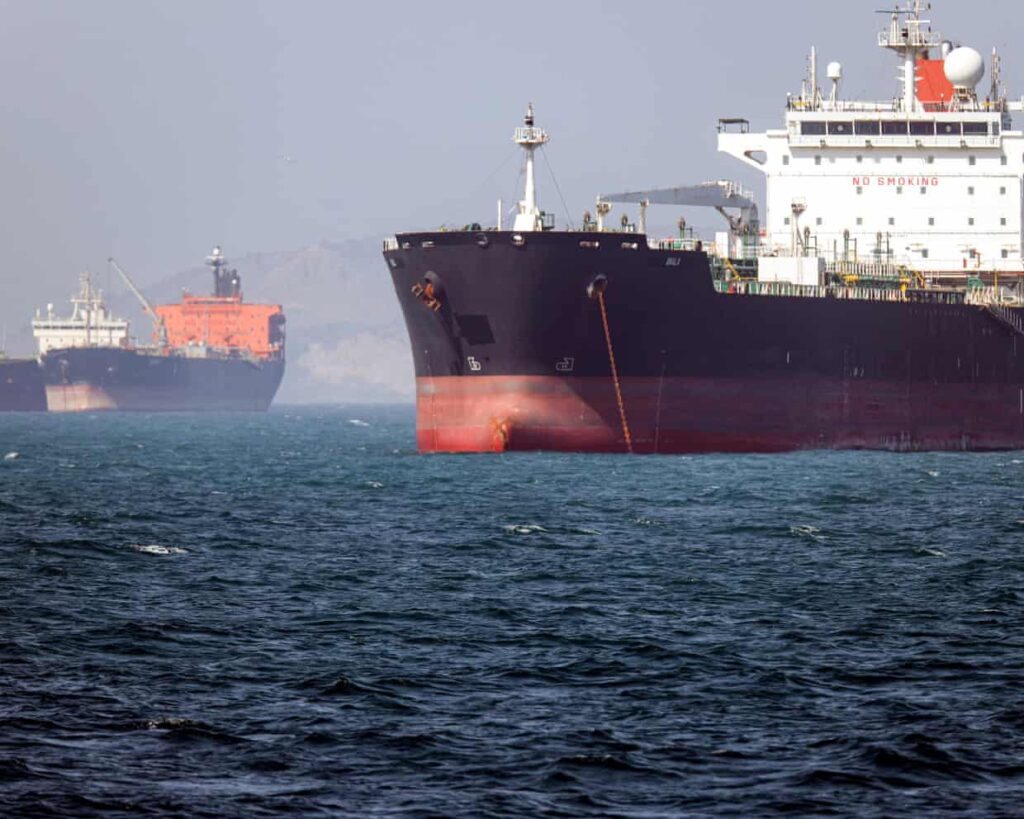
The mission was designed to guide hundreds of trapped merchant ships through the volatile waterway using a southern route through Omani territorial waters. While U.S. Central Command (CENTCOM) successfully escorted two U.S.-flagged vessels during the initial phase, the operation quickly turned violent as American forces sank several Iranian fast-attack boats.
This surge in kinetic activity reportedly prompted Saudi Crown Prince Mohammed bin Salman to pull back support for the operation to avoid direct involvement in the crossfire. Although President Trump publicly claimed the halt was due to great progress in Pakistani-mediated peace talks, military insiders suggest the lack of logistical cooperation from Gulf partners made the operation unsustainable.
The shelving of Project Freedom comes as domestic economic pressure mounts with U.S. gasoline prices topping $4.50 a gallon according to AAA. The failure to secure the strait has also impacted the United Arab Emirates, which saw an oil terminal struck by Iranian forces in direct response to the American naval maneuvers.
While some Saudi sources have since denied that they permanently blocked U.S. access, the friction has exposed a significant rift between Washington and its Middle Eastern partners regarding the management of the 2026 Iran War. For now, the U.S. naval blockade of Iranian ports remains in effect, but the proactive effort to reclaim control of the strait has been indefinitely delayed while diplomatic channels remain open.