

EU Approves €90bn Ukraine Loan After Pipeline Deadlock Ends
EU Ukraine €90bn loan
The European Union formally signed off on a landmark €90 billion loan package for Ukraine on Wednesday, April 22, 2026, marking a decisive turning point in European support for the embattled nation. This massive financial injection is designed to cover Ukraine’s urgent budgetary and military needs throughout 2026 and 2027 as the conflict with Russia enters its fifth year.
The approval follows months of intense diplomatic maneuvering and internal friction within the bloc over the allocation of common funds. EU Foreign Policy Chief Kaja Kallas confirmed that the unanimous decision signals a clear message to Moscow that European resolve remains unshaken.
The primary components of the package include €60 billion specifically earmarked for military assistance and defense industrial expansion, while the remaining €30 billion will provide essential budget support to maintain basic public services.
Official statements regarding the funding structure can be found through the European Commission press portal.
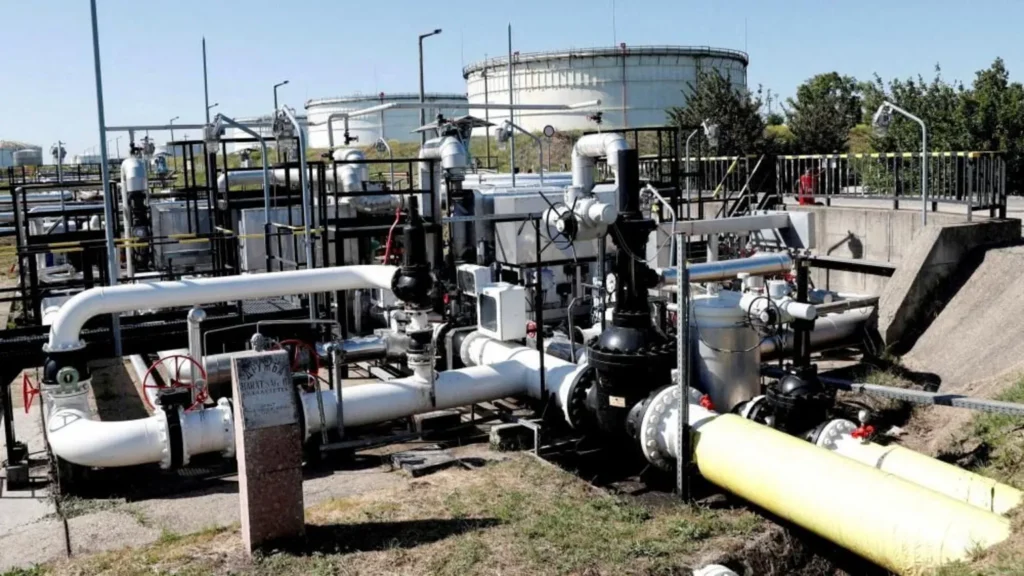
The final breakthrough came after Ukrainian President Volodymyr Zelenskyy confirmed that critical repair work on the Druzhba oil pipeline had been completed, allowing for the immediate resumption of operations.
The pipeline, a Soviet-era connection that transports Russian oil to central Europe, had been at the heart of a bitter deadlock with Hungary. The Hungarian government had previously utilized its veto power to block the aid package, citing the disruption of oil flows as a form of energy blackmail.
With the restoration of the pipeline and a shifting political landscape in Budapest, the long-standing veto was finally withdrawn, clearing the path for the remaining member states to proceed. Zelenskyy noted that all necessary technical steps on Ukraine’s part were taken to ensure regional energy security while securing the vital financial lifeline.
Further details on the pipeline’s status and regional energy impacts are available via Reuters international coverage.
This unprecedented €90 billion loan will be financed through common EU borrowing on global capital markets, guaranteed by the headroom of the Union’s long-term budget.
The financial arrangement includes a provision for debt-servicing costs to be covered by the EU’s annual budgets, with long-term repayment potentially linked to future war reparations from Russia or the use of immobilized Russian assets. This strategic investment aims to bolster Ukraine’s strategic autonomy and integrate its defense industry more closely with the European technological base.
Economists suggest that the predictable flow of funds will allow Kyiv to manage its significant budget deficit while maintaining its defense posture against ongoing aggression. Comprehensive analysis of the loan’s economic implications and the broader European security strategy is being tracked by The Guardian and other major international news organizations.
As the first disbursements are expected to begin in the second quarter of 2026, the agreement reinforces the geopolitical alignment of the European continent.