
Trump Willing to End Iran War Without Reopening Strait of Hormuz
Trump end Iran war Hormuz March 2026
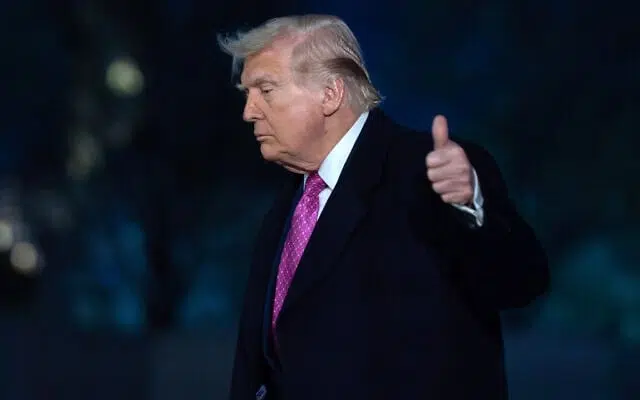
U.S. President Donald Trump has reportedly informed senior aides that he is willing to wind down the military campaign against Iran even if the strategically vital Strait of Hormuz remains largely closed to international traffic. According to reports from the Wall Street Journal on Monday, the administration has concluded that a dedicated mission to forcibly reopen the waterway would extend the conflict’s duration well beyond the President’s preferred four-to-six-week timeline.
Instead, the current strategy focuses on a high-intensity degradation of Iran’s naval and missile assets, with the expectation that diplomatic pressure will eventually force Tehran to resume free trade through the chokepoint at a later date. This shift in priorities comes as global energy markets continue to struggle under the weight of the “phantom blockade,” which has seen shipping traffic reduced by 70 percent and insurance rates skyrocket.
While the President remains publicly optimistic about reaching a “deal” before his self-imposed April 6 deadline, he has issued a final warning to the Iranian leadership regarding their remaining infrastructure. On Monday, Trump threatened that if the Strait is not “immediately Open for Business,” the U.S. would proceed with “completely obliterating” Iran’s electric generating plants and oil wells, which have been purposefully avoided during the initial phases of the air campaign.
Despite this rhetoric, the White House is also exploring secondary options that would place the responsibility for reopening the Strait on European and Gulf allies. However, these allies have expressed hesitation regarding the short-term risks of such a mission, with some Gulf officials reportedly urging the U.S. to continue strikes until the Iranian threat is permanently neutralized.
The domestic fallout from the prolonged closure of the Strait of Hormuz became increasingly visible on Tuesday, March 31, as the U.S. national average for gasoline surpassed $4 a gallon for the first time in over three years. This economic pressure is fueling the ongoing “No Kings” protests, which have seen millions of Americans take to the streets to demand an end to the hostilities and a focus on domestic energy stability.
Simultaneously, the kinetic war continues to claim lives, with UNIFIL reporting that three Indonesian peacekeepers were killed in Lebanon following recent explosions near their positions. As the April deadline approaches, the international community is closely watching the Islamabad peace summit for any signs that Tehran might accept a limited ceasefire in exchange for a reprieve from further infrastructure destruction.