
Trump Issues ‘Very Bad’ Future Warning to NATO Over Hormuz
Trump NATO Strait of Hormuz ultimatum 2026
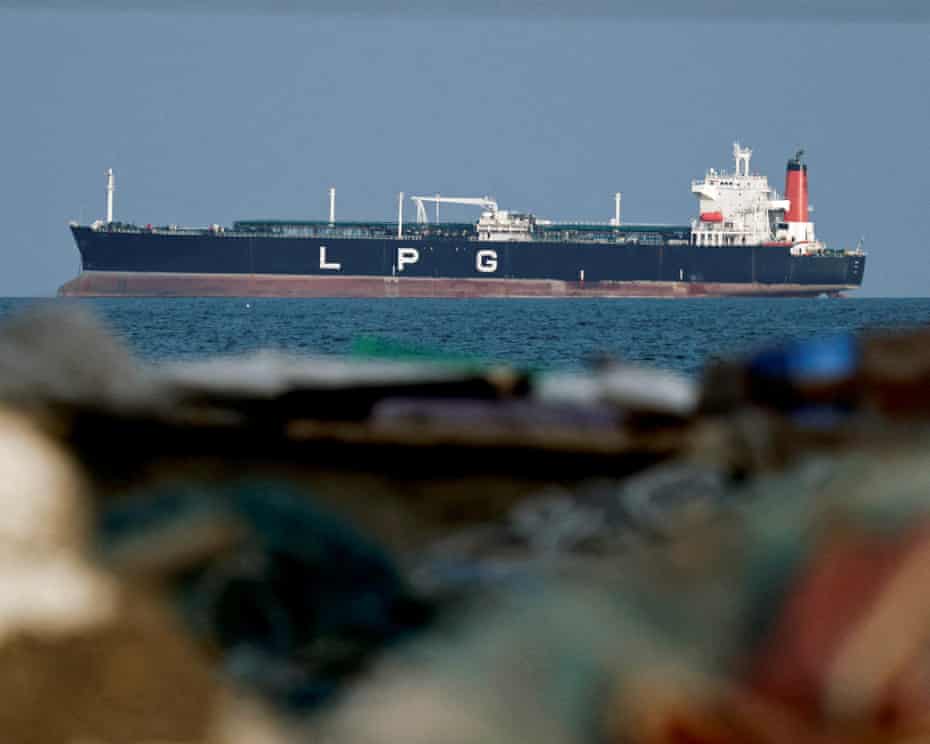
President Donald Trump has dramatically escalated his demands for international military cooperation, warning that NATO faces a “very bad” future if its member nations fail to assist in reopening the Strait of Hormuz. In a telephone interview with the Financial Times published late Sunday, March 15, the President delivered a blunt ultimatum to European allies, arguing that the United States should not bear the sole burden of securing a waterway that primarily services foreign energy needs. “It’s only appropriate that people who are the beneficiaries of the Strait will help to make sure that nothing bad happens there,” Trump told the newspaper. He further cautioned that a negative response from the alliance would lead to a fundamental reassessment of the U.S. commitment, stating, “I think it will be very bad for the future of NATO.”
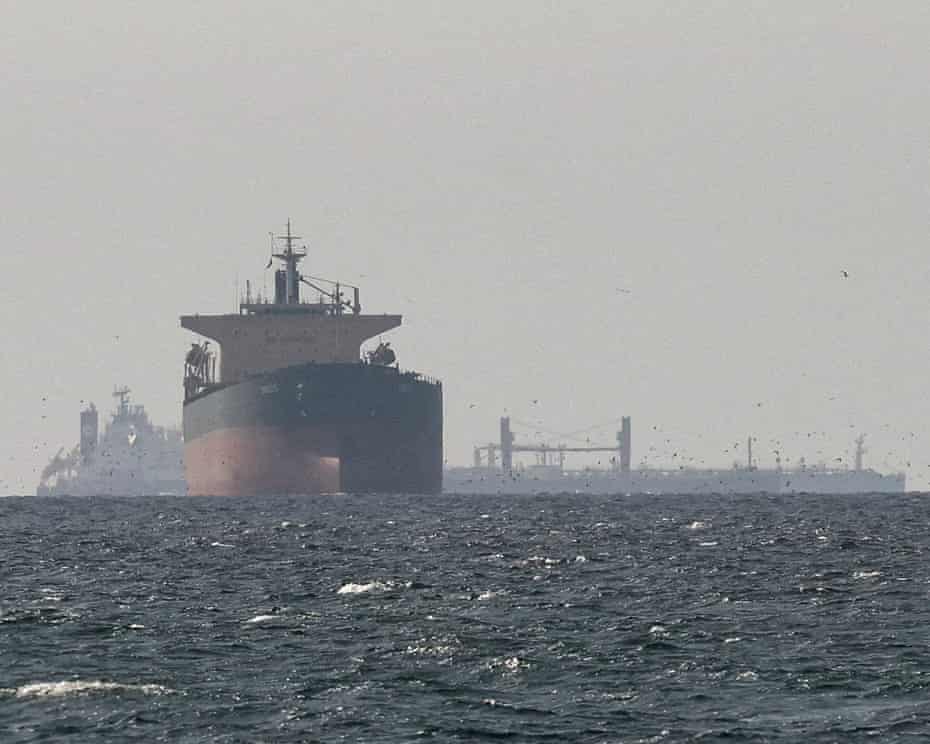
The President’s rhetoric intensified on Monday, March 16, as global oil prices climbed toward $105 per barrel following the two-week mark of Operation Epic Fury. Speaking to reporters aboard Air Force One, Trump questioned why the U.S. continues to provide extensive military aid to Europe, specifically referencing support for Ukraine, if the alliance refuses to assist with a “very small endeavor” like minesweeping in the Gulf. According to official reports from the flight, the President criticized the timing of a British offer for two ships, claiming he told Prime Minister Keir Starmer that the U.S. needs assistance “before we win, not after we win.” Trump reiterated his long-standing view of NATO as a “one-way street” and suggested that the administration has already contacted seven specific countries for support, though he declined to name them all.
The international response to the President’s ultimatum has been characterized by deep caution and several outright rejections. On Monday, both Japan and Australia formally ruled out the deployment of naval vessels to the Persian Gulf, citing constitutional constraints and a desire to avoid direct escalation in the Middle East conflict. The Hindu reported that Japanese Prime Minister Sanae Takaichi told parliament that Tokyo has “no plan” for a maritime security operation at this time. Similarly, European Union foreign ministers met in Brussels on Monday to discuss the crisis, but diplomats indicated they are not yet prepared to expand their existing naval missions into the choked-off strait.
The administration’s pressure campaign has also extended to Beijing, with Trump suggesting he may delay his planned summit with Chinese President Xi Jinping unless China clarifies its position on the blockade. Pointing out that China receives 90% of its oil via the Gulf, the President asserted that it is in Beijing’s direct territory and interest to help “knock out some bad actors” along the shore. As The Guardian notes, the standoff has left the global energy market in a state of high volatility, with Iran’s new Supreme Leader, Mojtaba Khamenei, vowing to maintain the blockade as long as U.S. and Israeli strikes continue. With the White House planning to announce a formal coalition as early as this week, the refusal of key NATO allies to participate has set the stage for one of the most significant diplomatic fractures in the history of the trans-Atlantic alliance.