
Trump Demands China and Allies Deploy Warships to Hormuz
Trump China Strait of Hormuz naval coalition 2026
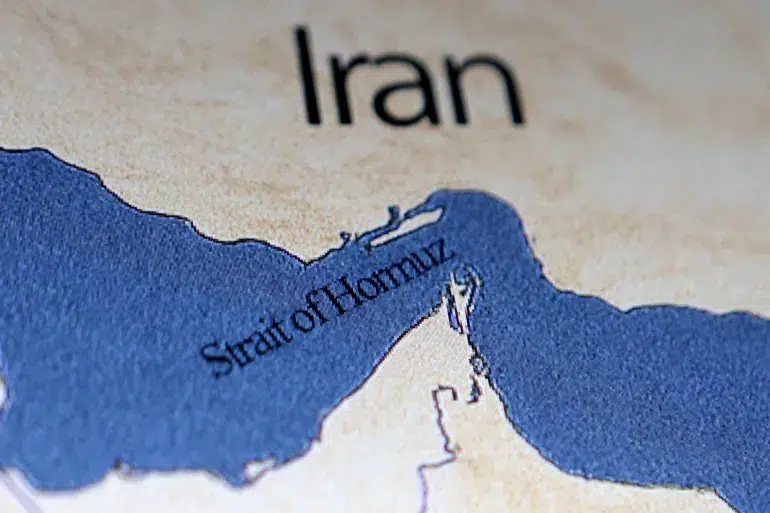
President Donald Trump escalated his pressure campaign on the international community on Sunday, March 15, 2026, demanding that China and several key U.S. allies deploy warships to the Strait of Hormuz to break the ongoing Iranian blockade. In a series of statements posted to Truth Social and during a press gaggle aboard Air Force One, the President asserted that the responsibility for securing the world’s busiest shipping route must be shared by the nations that most heavily rely on its oil. Specifically targeting China, the President noted that Beijing receives approximately 90% of its oil through the strait, while the United States maintains its own energy independence. According to official reports from the flight, Trump declared, “I’m demanding that these countries come in and protect their own territory, because it is their own territory,” adding that the U.S. would provide significant assistance to any nation willing to join the policing effort.
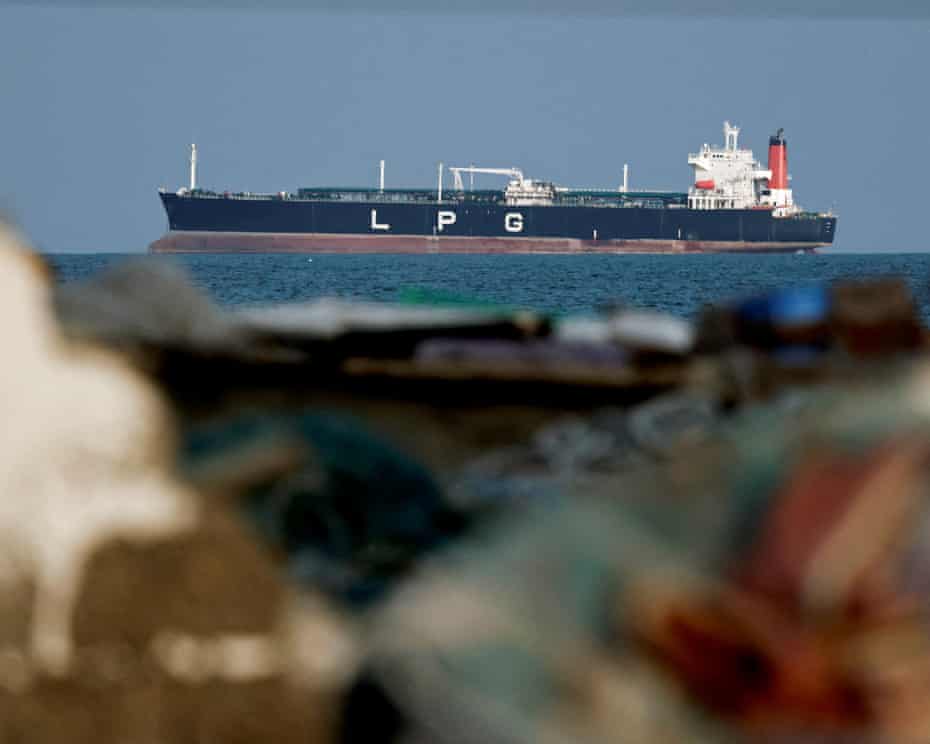
The President’s call for a naval coalition was further underscored in an interview with the Financial Times, where he issued a stark warning to NATO members. Trump suggested that the future of the alliance faces a “very bad” outlook if European partners fail to contribute to the reopening of the waterway. U.S. Energy Secretary Chris Wright confirmed on Sunday that he has been in direct “dialogue” with multiple countries regarding the deployment of naval assets. Wright expressed optimism that China could act as a “constructive partner” in the operation, given that nearly one-fifth of global oil exports—and a massive portion of China’s energy supply—normally pass through the narrow passage currently under Iranian “control.”
Despite the administration’s forceful rhetoric, the international response has remained markedly cautious as the war in Iran enters its third week. While the United Kingdom, Japan, France, and South Korea confirmed they are “intensively looking” at various options, none have yet committed to sending warships into a combat zone where the risk of escalation remains high. China’s Ministry of Foreign Affairs has so far avoided any mention of military intervention, instead calling for a general cessation of hostilities to ensure an “unimpeded energy supply.” Meanwhile, Tehran has maintained a selective transit policy, with Iranian Foreign Minister Abbas Araghchi stating that “safe passage” remains a matter for the Iranian military to decide on a case-by-case basis. As global oil prices continue to fluctuate above $100 a barrel, the White House maintains that the destruction of Iran’s minelaying capabilities has paved the way for a successful international escort mission.