
Nobel Peace Prize Winner María Corina Machado Vows Swift Return to Venezuela After Maduro Capture
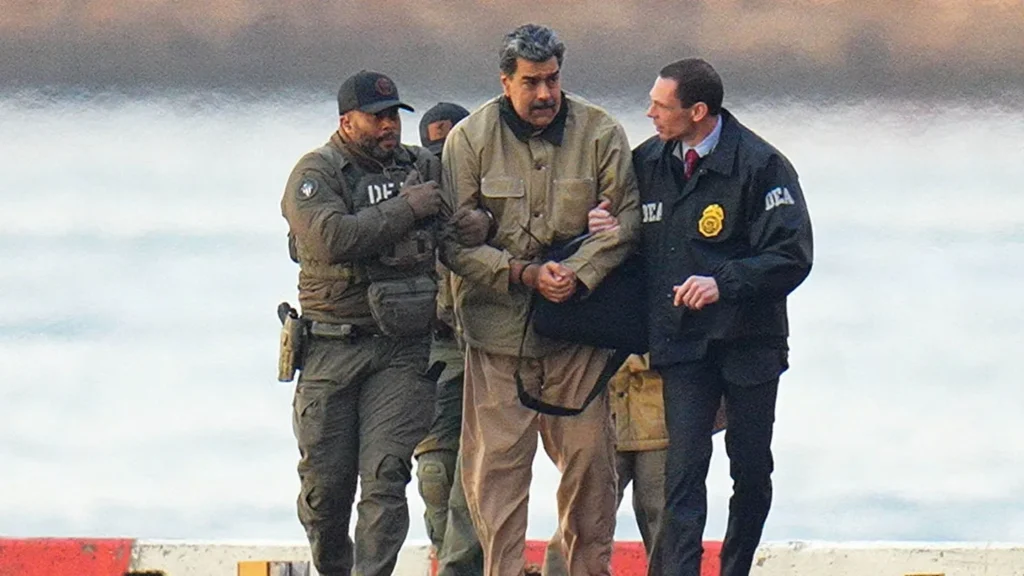
Venezuelan opposition leader and 2025 Nobel Peace Prize recipient María Corina Machado has officially pledged to return to her home country “as soon as possible” following the dramatic capture of Nicolás Maduro by United States forces. Speaking from an undisclosed location on Monday, January 5, 2026, Machado broke her recent silence to express both cautious optimism and deep concern regarding the current state of the nation. While she praised the removal of Maduro as a historic victory for justice, she warned that an “alarming” internal crackdown is currently being orchestrated by remnants of the previous administration. Machado specifically targeted the interim leadership of Delcy Rodríguez, characterizing her as a primary architect of the system of persecution and torture that has defined Venezuela for over a decade. The Nobel laureate emphasized that the fight for true democracy is far from over, as loyalist paramilitary groups and security forces continue to target activists and journalists in the wake of the U.S. military intervention.
The announcement of Machado’s intended return comes at a complicated geopolitical moment, as the relationship between the Venezuelan opposition and the Trump administration appears increasingly strained. Despite her fulsome praise for President Trump’s “courageous vision,” reports suggest that the White House has been hesitant to fully endorse Machado as the primary leader of the transitional government. Sources close to the administration have indicated that Trump was reportedly displeased by Machado’s decision to accept the Nobel Peace Prize in late 2025, a move some of his advisors viewed as a alignment with globalist institutions. Nevertheless, Machado has remained steadfast in her claim to leadership, asserting that her movement won the 2024 election by a landslide and would easily secure over 90 percent of the vote in any future free and fair contest. She has vowed to work toward turning Venezuela into the “energy hub of the Americas” by dismantling criminal structures and inviting back the millions of exiles who fled under Maduro’s rule.
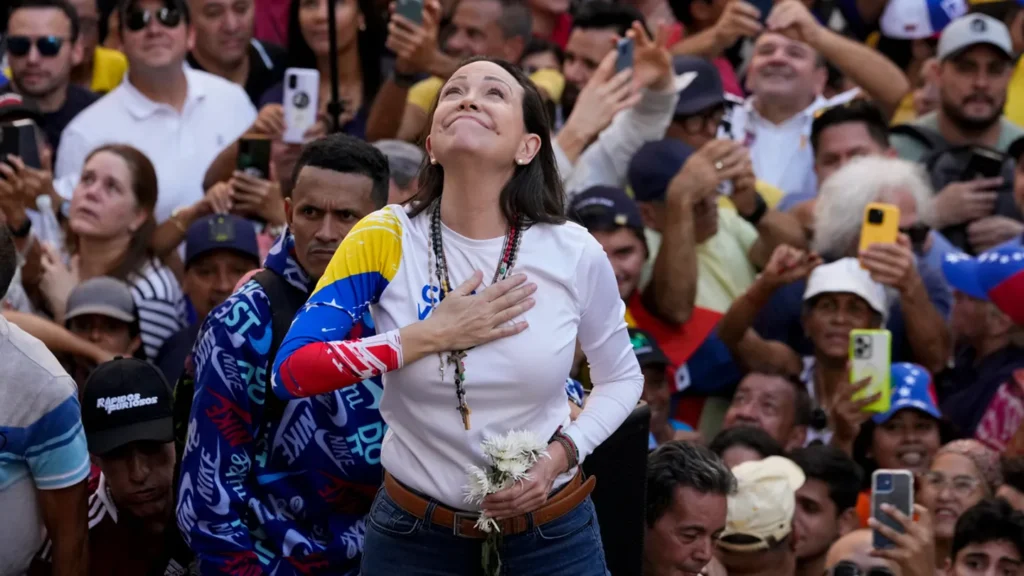
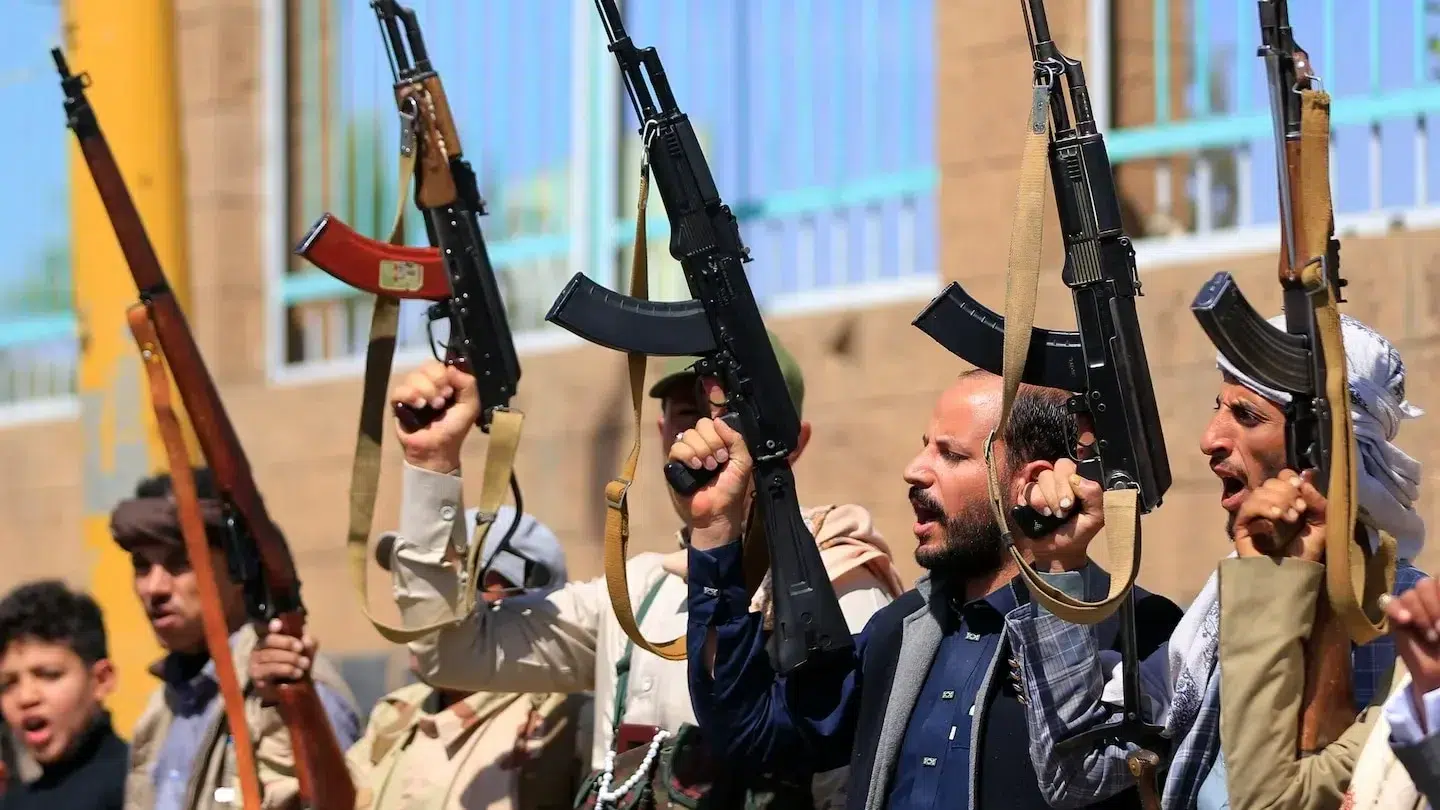
Internal reports from Caracas suggest that the “crackdown” mentioned by Machado is manifesting in a wave of arbitrary detentions and increased surveillance across major urban centers. As the U.S. military maintains its presence at key strategic sites, pro-regime “colectivos” have reportedly been mobilized in several neighborhoods to intimidate those celebrating Maduro’s removal. Machado’s own political movement, Vente Venezuela, has seen several of its regional offices raided in the last 48 hours, prompting international human rights organizations to call for an immediate end to the hostilities. The Nobel laureate argued that the current interim government under Delcy Rodríguez lacks any legitimate mandate and is merely a “continuity of tyranny” designed to protect the interests of a corrupt elite. For many of Machado’s supporters, her return represents the only viable path toward a transition that is not dictated solely by foreign military interests or the remaining members of the United Socialist Party.
As the international community watches the unfolding events, the Nobel Committee in Oslo has issued a statement calling for the safety of Machado and all peaceful political actors in Venezuela. The prestige of the 2025 Nobel Peace Prize has given Machado a significant global platform, yet her physical security remains a paramount concern as she prepares to enter a country still heavily influenced by the “narco-terrorist” elements she has spent years fighting. Her repatriation plan remains shrouded in secrecy for security reasons, but her rhetoric suggests a high-stakes move to seize the political initiative before a new status quo is established. Whether she can successfully bridge the gap between the Trump administration’s “might-makes-right” approach and the civil democratic aspirations of her followers will likely determine the success of Venezuela’s transition in the coming months.