
NHS Faces ‘Moment of Maximum Danger’ as Five-Day Doctors’ Strike Begins Amid Flu Surge
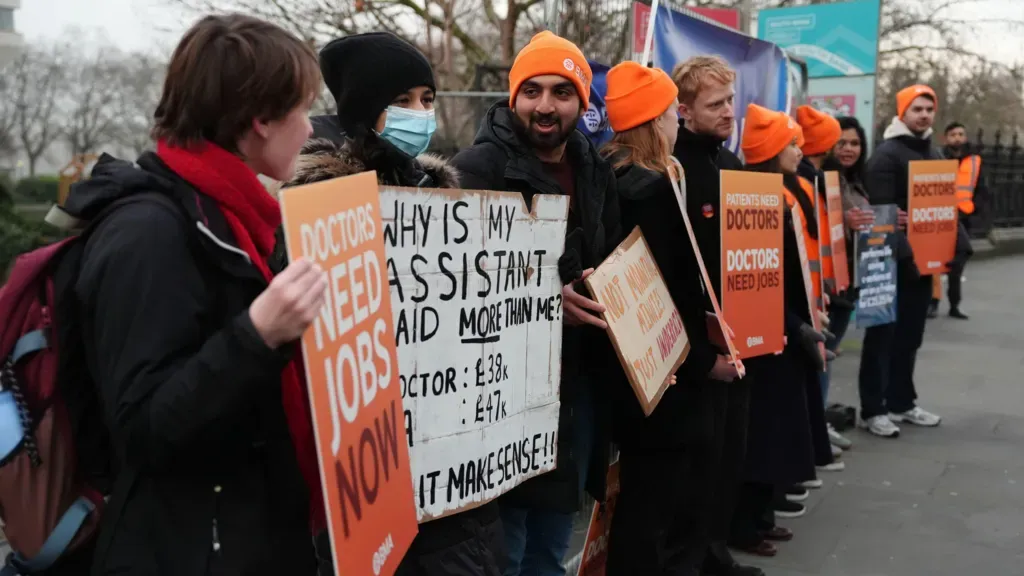
National Health Service (NHS) hospitals across England have entered a period of severe operational strain as resident doctors officially commenced a five-day walkout at 7:00 a.m. today, Wednesday, December 17, 2025. The industrial action, organized by the British Medical Association (BMA), is scheduled to last until 7:00 a.m. on Monday, December 22, directly colliding with one of the most pressurized weeks of the year for the health service. This marks the 14th strike in a protracted and increasingly bitter dispute over pay and job security that began in early 2023.
The walkout arrives at what Health Secretary Wes Streeting has described as the NHS’s “moment of maximum danger.” Health officials are reporting an unprecedented early surge in hospitalizations driven by a virulent “super flu” strain, with admissions rising by more than 50% in a single week. More than 2,600 patients were hospitalized with flu in early December—the highest figure recorded for this point in winter—leaving many emergency departments already struggling to meet waiting-time targets before the strike even began. Streeting condemned the timing of the action as “self-indulgent, irresponsible, and dangerous,” warning that the combination of industrial action and the flu epidemic could cause the system to buckle.
The strike was triggered after BMA members overwhelmingly rejected a government offer that included more specialty training posts and coverage for exam fees but notably lacked new pay commitments. The union argues that while resident doctors have seen pay rises totaling nearly 30% over the last three years, their real-terms earnings remain significantly lower than 2008 levels when adjusted for inflation. Dr. Jack Fletcher, chair of the BMA resident doctors committee, stated that the latest offer was “too little, too late” and failed to address a “jobs crisis” that is forcing many trained medics to consider leaving the profession or moving abroad.
NHS England has activated emergency contingency plans, with senior consultants and specialist doctors drafted in to cover frontline gaps in emergency and urgent care. However, hospital bosses warn that thousands of elective procedures and outpatient appointments will inevitably be postponed. Patients are being urged to attend scheduled appointments unless explicitly contacted, and to utilize NHS 111 for non-urgent needs to keep emergency departments clear for life-threatening cases. With only two working days remaining between the end of the strike and the Christmas bank holidays, medical leaders fear the backlog will hamper efforts to safely discharge patients in time for the festive period.