
US-Iran High-Stakes Peace Talks Begin in Islamabad
US-Iran High-Stakes Peace Negotiations
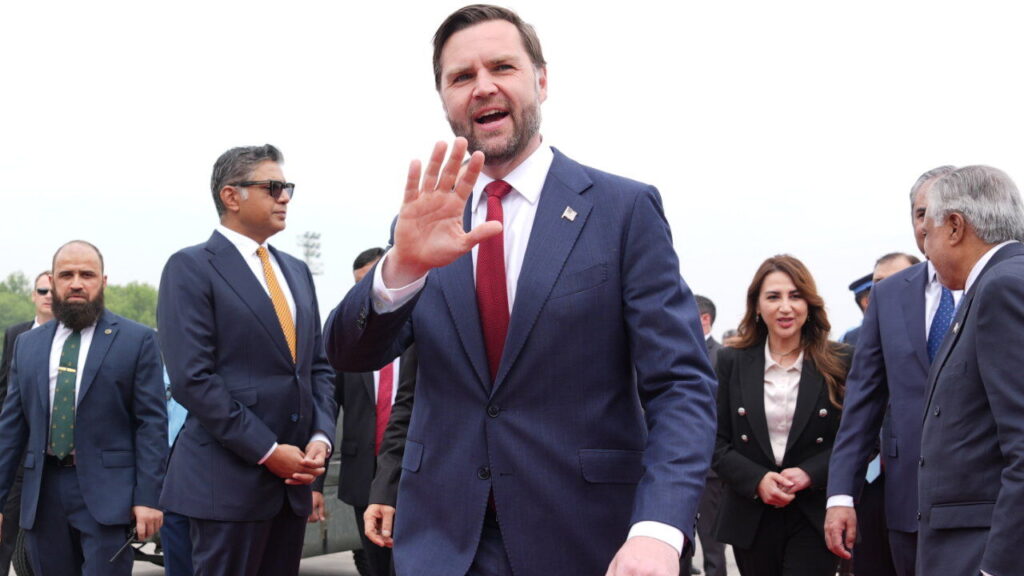
High-stakes diplomatic negotiations between the United States and Iran officially commenced on Saturday in Islamabad to establish a framework for ending the current war. The summit is taking place at the Serena Hotel within the heavily fortified Red Zone of the Pakistani capital under the mediation of Prime Minister Shehbaz Sharif. Vice President JD Vance leads the American delegation along with special envoy Steve Witkoff and senior adviser Jared Kushner.
The Iranian team is headed by Parliamentary Speaker Mohammad Bagher Ghalibaf and Foreign Minister Abbas Araghchi. This meeting represents the first face-to-face engagement between high-ranking officials from both countries since the conflict began forty-three days ago. International observers view these talks as a critical opportunity to stabilize a region that has seen thousands of casualties and massive infrastructure damage. You can find more details on the opening statements in this Al Jazeera report on the Islamabad talks.
The atmosphere surrounding the negotiations remains tense due to ongoing military movements and recent casualties. The Iranian delegation has named itself “Minab 168” to honor the schoolgirls and teachers killed by a US-Israeli strike at the start of the war. Iranian representatives have set firm preconditions for a permanent settlement including the unfreezing of billions in overseas assets and an immediate end to Israeli military operations in Lebanon. Meanwhile, the United States has maintained that its primary objective is to ensure Iran never achieves a nuclear weapon.
Vice President Vance stated that Washington is willing to negotiate in good faith but warned Tehran not to engage in diplomatic delay tactics. Prime Minister Sharif expressed optimism that the session would serve as a stepping stone toward a durable peace for the entire Middle East. For real-time coverage of the summit progress, visit The Hindu live updates.
A central point of contention in the talks involves the control and safety of the Strait of Hormuz. President Donald Trump announced on social media that the US Navy has begun an operation to clear the strategic waterway of Iranian-laid mines. He claimed that twenty-eight Iranian mine-laying vessels were destroyed during the initial phase of this maritime campaign. US Central Command confirmed that two warships have already transited the strait to establish a safe pathway for global oil shipments.
Iran has responded by accusing the United States of violating the current temporary ceasefire through these unauthorized naval movements. Despite these disagreements, the arrival of both delegations suggests a shared desire to avoid further economic and military escalation. The outcome of these discussions will determine the future of global energy markets and regional security for the foreseeable future. More information on the naval situation is available via the Economic Times on Strait operations.