
US Freezes $344M in Iran-Linked Crypto
US freezes $344 million cryptocurrency Iran
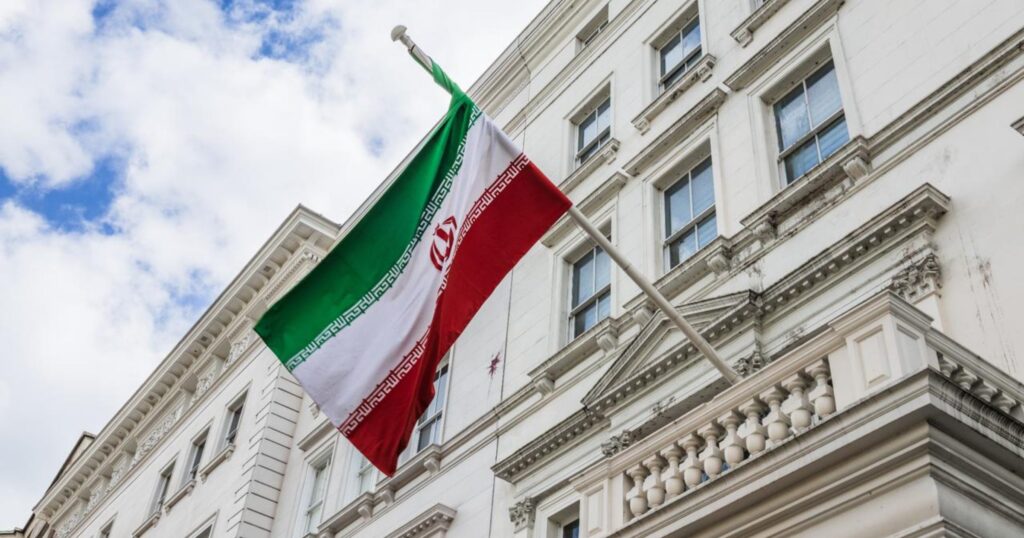
The United States Treasury Department officially sanctioned several digital wallets tied to the Iranian government on Friday, April 24, 2026, resulting in the immediate freeze of approximately $344.2 million in cryptocurrency. Treasury Secretary Scott Bessent announced the action via a formal statement, characterizing the move as a critical step in degrading Tehran’s ability to move and repatriate funds through non-traditional financial channels.
The Office of Foreign Assets Control (OFAC) identified the wallets as being property of the Central Bank of Iran, with direct links to the Islamic Revolutionary Guard Corps-Qods Force and Hezbollah. This enforcement action was made possible through close coordination between U.S. law enforcement and the stablecoin issuer Tether, which executed the on-chain freeze of the USDT assets. Detailed updates on the Treasury’s ongoing sanctions programs are available through the U.S. Department of the Treasury press center and reported by Reuters.
Blockchain analysis indicates that the two primary wallets involved in the freeze had been utilized as sovereign reserve storage rather than for daily operational deployment. Data from industry experts at TRM Labs shows that these addresses began receiving significant inflows in March 2021, totaling nearly $370 million across over 1,000 transactions.
Despite the high volume of incoming transfers, the wallets remained largely dormant until this week, with outbound activity accounting for less than seven percent of the total volume. This behavioral profile supports the Treasury’s assessment that the funds were intended to serve as a strategic financial cushion for the Iranian regime amidst intensifying international isolation.
The seizure follows recent reports that Iran had begun accepting Bitcoin and other digital assets as payment for transit fees imposed on oil tankers navigating the Strait of Hormuz. Further technical insights into the tracking of these sovereign reserves can be found via Chainalysis and other digital asset forensic outlets.
The $344 million freeze is a central component of President Donald Trump’s broader “maximum pressure” strategy aimed at curbing Iran’s regional influence and nuclear ambitions. Administration officials have signaled that the U.S. will continue to target all financial lifelines that the regime attempts to establish outside of the traditional banking system.
This latest move comes at a sensitive time as senior envoys Steve Witkoff and Jared Kushner arrive in Pakistan for a new round of high-stakes peace negotiations with Iranian representatives. While the diplomatic track remains active, Secretary Bessent emphasized that the United States will not hesitate to use its regulatory power to disrupt illicit financing while talks are ongoing.
The international community is closely monitoring the impact of these financial restrictions on the global energy market and the stability of the current ceasefire. Ongoing coverage of the geopolitical shifts in the Middle East is provided by The Guardian and CNN.