US and Iran Exchange Strikes as Ceasefire Strains
US Iran fresh strikes ceasefire
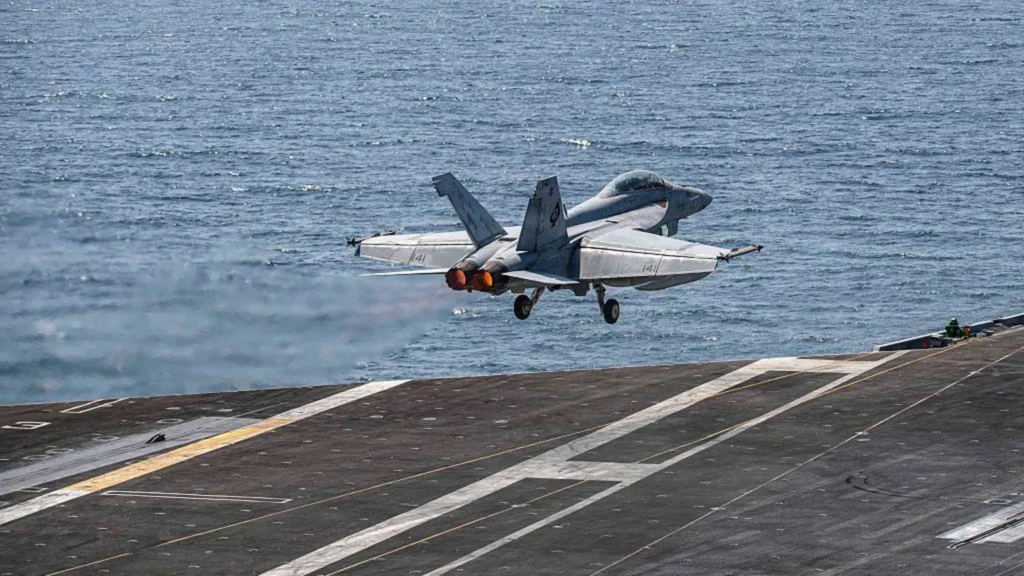
The fragile ceasefire between the United States and Iran appeared near collapse on Thursday, May 28, 2026, following a volatile exchange of military strikes near the Strait of Hormuz. U.S. Central Command (CENTCOM) confirmed that American forces conducted “defensive” strikes on Wednesday, targeting a military ground control station near Bandar Abbas and intercepting four one-way attack drones that officials identified as an imminent threat to commercial shipping. According to reports from the U.S. military, these actions were taken to neutralize threats and maintain the stability of the vital maritime corridor.
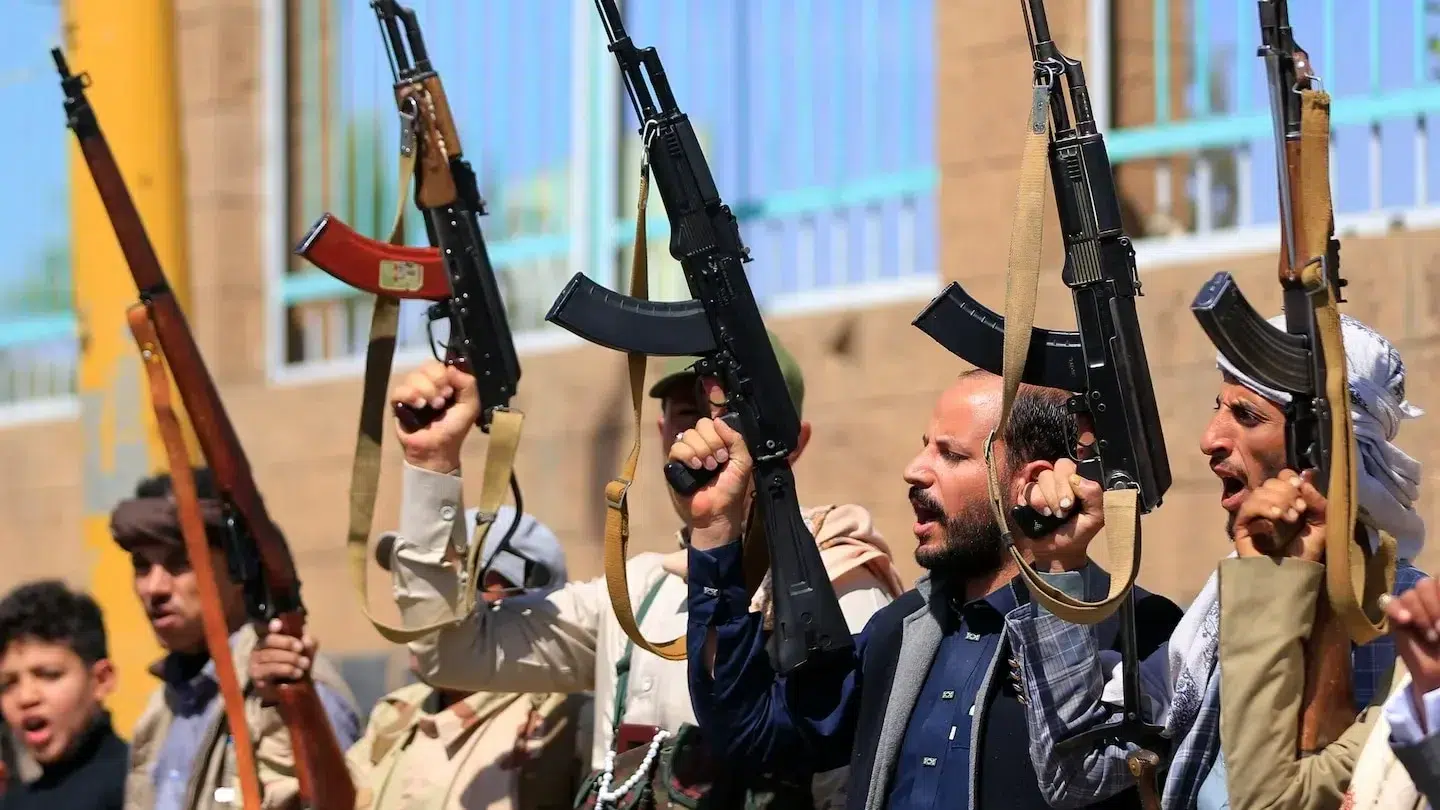
The retaliation from Tehran was immediate and escalated the regional tension. Iranian state broadcaster IRIB reported that the Islamic Revolutionary Guard Corps (IRGC) subsequently targeted an American airbase in Kuwait, claiming it was the site from which the U.S. strikes were launched. While Kuwaiti authorities confirmed that air defenses were activated to intercept hostile drones and missiles in the early hours of Thursday, the full extent of damage to the facility remains unverified. Concurrently, Iranian forces reportedly confronted four merchant vessels attempting to traverse the Strait of Hormuz without security authorization, further complicating the already precarious maritime environment.
The latest escalation comes as diplomatic efforts in Doha, Qatar, remain deadlocked. President Donald Trump, speaking during a Wednesday cabinet meeting at the White House, characterized the Iranian side as “negotiating on fumes.” The President flatly rejected reports of a proposed joint management deal for the Strait of Hormuz, stating that the U.S. would not be rushed into an agreement by the pressure of midterm elections or external mediation. He warned that if the negotiations do not yield a “great deal,” the United States remains prepared to resume full-scale hostilities.
The diplomatic and military impasse has triggered a new surge in global energy markets, with oil prices climbing back above $100 per barrel as investors react to the increased probability of a total ceasefire breakdown. Beyond the direct U.S.-Iran exchange, the regional situation is further destabilized by intensifying Israeli military operations in southern Lebanon, where residents have been issued new evacuation orders. As the situation evolves, international observers are closely monitoring whether the high-stakes brinkmanship in the Gulf will force a breakthrough in the stalled peace talks or lead to an irrevocable widening of the war.