
Trump-Xi Summit: Iran War Dominates High-Stakes Beijing Talks
China summit May 2026 Iran war
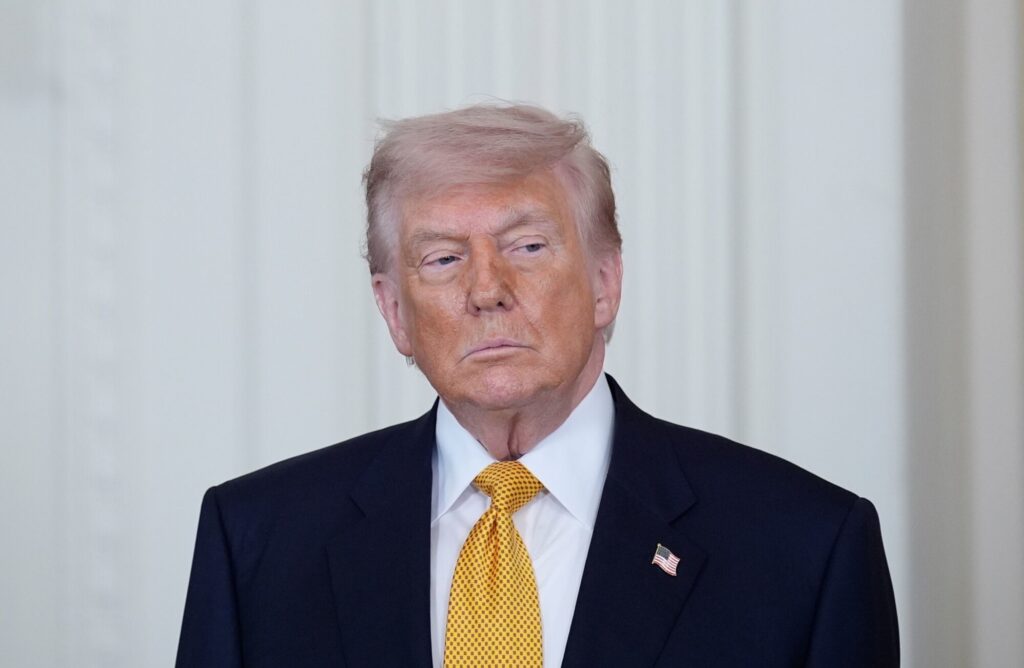
The global diplomatic community has turned its focus toward Beijing as President Donald Trump prepares for a high-stakes summit with Chinese President Xi Jinping on Thursday, May 14, 2026. This two-day visit marks the first state visit to China by a U.S. president since 2017 and comes at a critical juncture for international security.
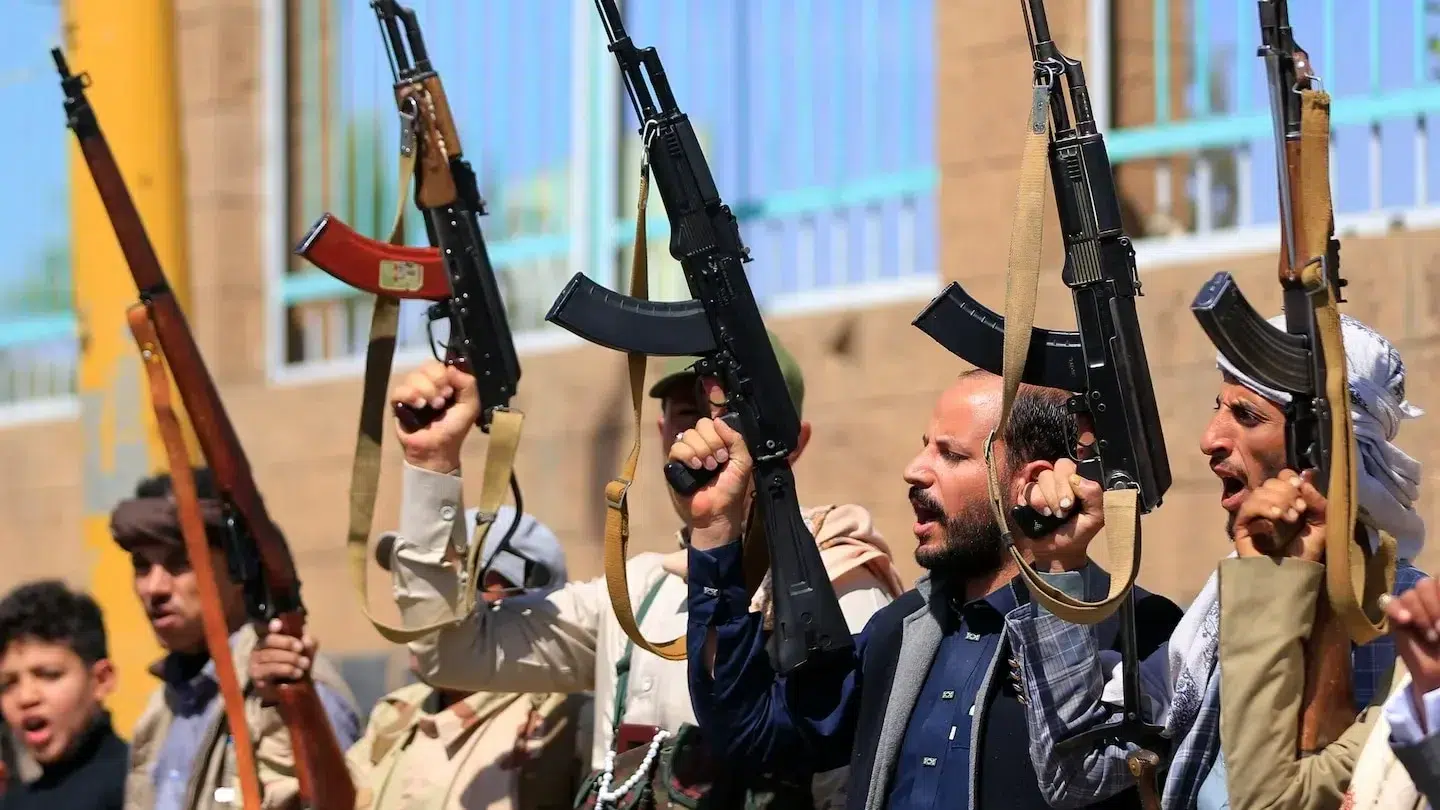
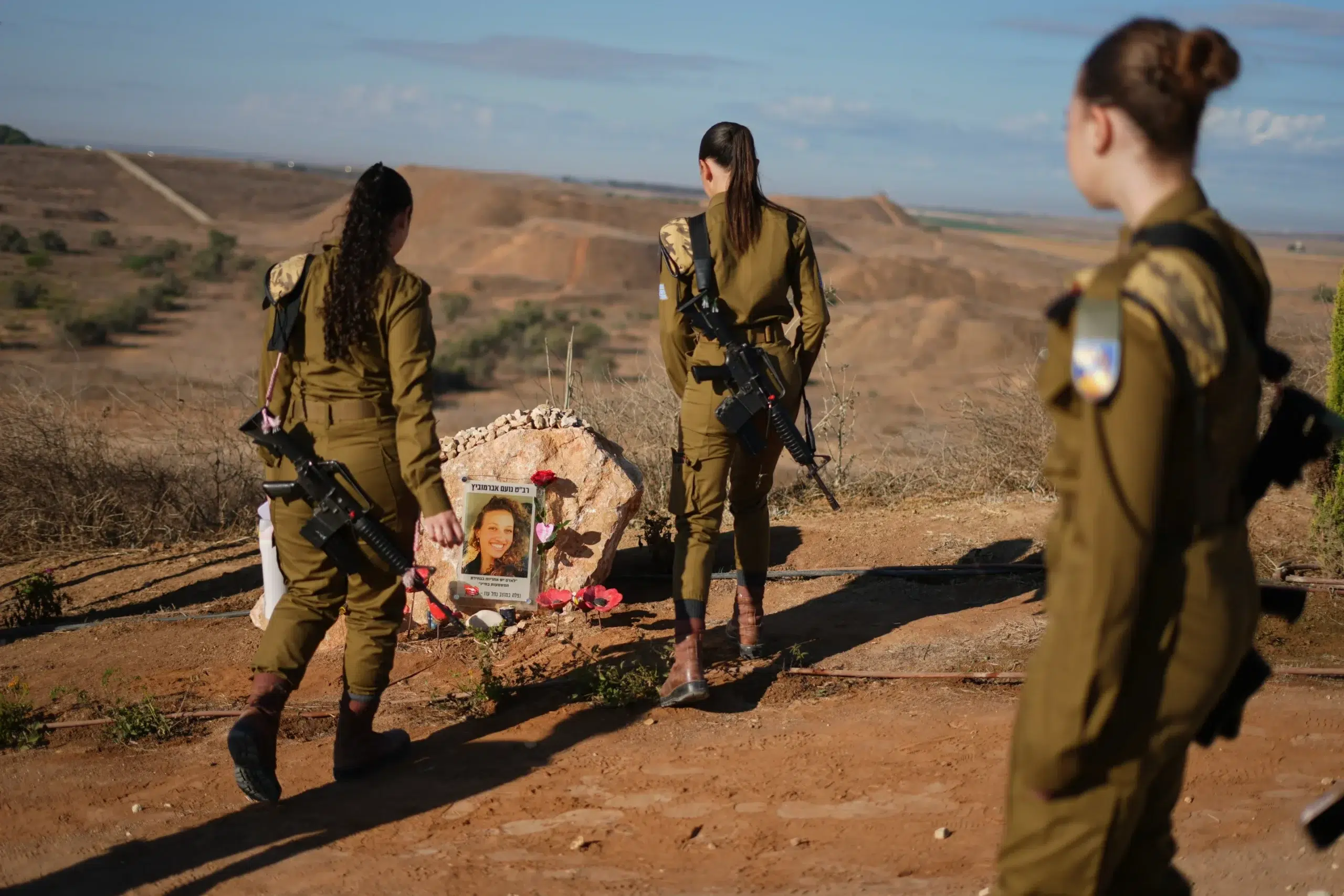
The primary agenda for the meeting is the ongoing conflict in the Middle East, which has reached a stalemate following 38 days of active warfare between the U.S.-Israeli coalition and Iran. Originally scheduled for March, the summit was delayed after a significant escalation in military strikes made diplomatic travel untenable.
Now, with a fragile ceasefire in place since early April, the two superpowers are attempting to navigate the complex economic and military fallout of the war, which continues to threaten global supply chains.The most pressing issue facing the two leaders is the continued blockade of the Strait of Hormuz.
China remains the world’s largest importer of Iranian crude oil and relies on the waterway for approximately 60 percent of its total energy imports. U.S. officials, including Secretary of State Marco Rubio, have criticized Beijing for allegedly maintaining energy ties that provide a financial lifeline to Tehran.
Meanwhile, the U.S. Navy has been active in intercepting tankers bound for Chinese ports to enforce strict sanctions, a move that has drawn sharp condemnation from the Chinese Foreign Ministry. President Trump is expected to pressure President Xi to use China’s significant leverage over Iran to secure a permanent reopening of the strait, potentially offering trade concessions in exchange for Beijing’s cooperation in mediating a final peace deal.
Beyond the immediate energy crisis, the summit will address long-standing bilateral tensions regarding trade and regional security in the Indo-Pacific. A one-year “trade war truce” established in October 2025 has remained largely intact, but new investigations into Chinese industrial security laws and U.S. arms sales to Taiwan have created fresh friction. According to reports from the Institute for the Study of War, President Xi is likely to demand a cessation of a multi-billion dollar arms package recently approved for Taiwan.
As both nations grapple with the inflationary pressures caused by soaring oil prices, the “peace through strength” doctrine of the Trump administration will be tested against China’s desire to establish a new, “force-free” regional order in the Middle East. The outcome of these talks will likely determine whether the current ceasefire evolves into a lasting regional stability or collapses back into active hostilities.