
Trump Announces Landmark Drug Pricing Deals With Nine Major Pharmaceutical Companies to Lower US Costs
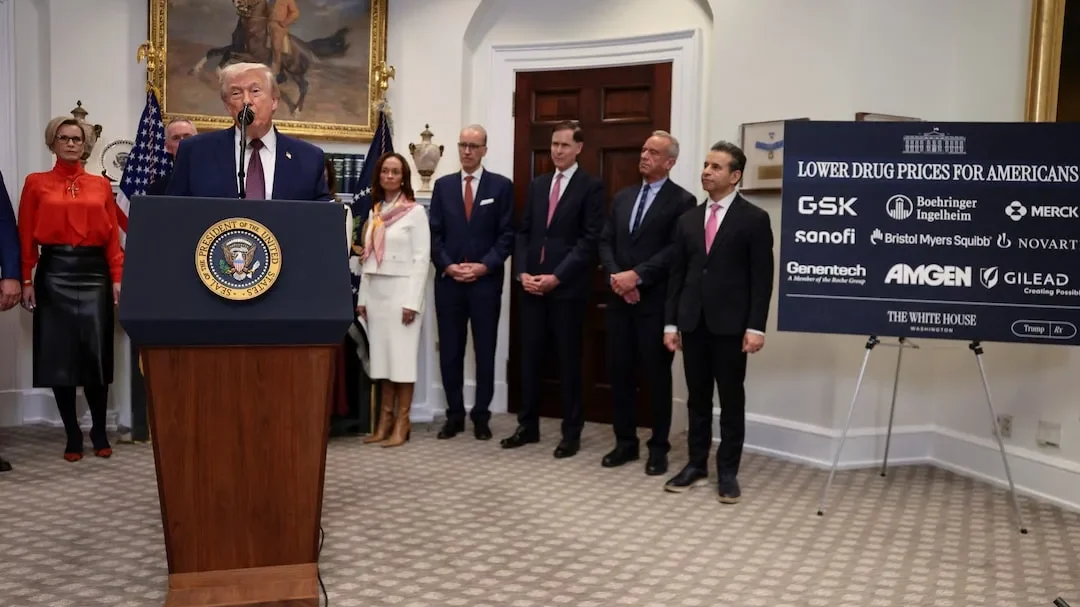
President Donald Trump announced nine new agreements with major pharmaceutical companies on Friday to significantly lower prescription drug prices for American patients. The deals aim to align domestic costs with the lowest prices paid in other developed nations through a policy known as the Most Favored Nation model. During an event at the Oval Office, the President explained that these pacts will reduce the financial burden on the government Medicaid program and individual cash payers. The nine manufacturers participating in this latest wave of agreements include Amgen, Bristol Myers Squibb, and Boehringer Ingelheim. They are joined by Genentech, Gilead Sciences, GSK, Merck, Novartis, and Sanofi. This development brings the total number of companies signed onto the initiative to 14 out of the 17 major manufacturers targeted by the administration earlier this summer.+3
The core of these agreements involves a commitment from the drugmakers to offer their products at prices equal to the second-lowest manufacturer-reported net price in peer nations. This pricing strategy will be applied across commercial markets including Medicare and Medicaid. A significant component of the announcement is the upcoming launch of a dedicated website where patients can purchase discounted medications directly. Many of the companies have already committed to dramatic price cuts for specific drugs through this platform. For example, Sanofi will offer its prescription blood thinner Plavix for 16 dollars while listing its insulin products at a monthly cap of 35 dollars. Merck will reduce the price of its diabetes medication Januvia from 330 dollars to 100 dollars for direct purchasers. These reductions are expected to provide immediate relief to millions of Americans who currently pay some of the highest pharmaceutical costs in the world.+3
In exchange for their cooperation, the pharmaceutical companies will receive a three-year exemption from threatened 100 percent tariffs on their products. The administration had previously used the threat of trade penalties to bring large drug manufacturers to the negotiating table. Beyond pricing, the deals include a collective commitment of at least 150 billion dollars in new investments for United States manufacturing and research. This investment is intended to bolster national health security and reduce reliance on foreign supply chains for active pharmaceutical ingredients. Several companies including Merck and Bristol Myers Squibb have also agreed to donate several tons of raw materials to a national strategic reserve. These reserves will ensure that critical antibiotics and blood thinners remain available during potential supply chain disruptions.+3
While the majority of large drugmakers have now reached terms with the White House, three major companies have yet to sign similar agreements. Administration officials noted that AbbVie, Johnson & Johnson, and Regeneron Pharmaceuticals are still in discussions with the government. These remaining manufacturers are expected to visit the White House after the holiday season to finalize their participation. The President emphasized that the new pricing standards will apply to all future innovative medicines brought to market by the participating companies. This long-term requirement ensures that foreign nations can no longer benefit from lower prices at the expense of American consumers. The administration expects the full implementation of these deals and the launch of the direct-pay website to occur in early 2026.