

Susan Collins Backs Republican Voter ID Bill
Susan Collins Republican voter ID effort 2026
Senator Susan Collins (R-Maine) has formally bolstered the Republican push for stricter voter identification requirements, becoming the 50th member of the GOP conference to back the SAVE Act (Safeguard American Voter Eligibility Act). The legislation, which has gained significant momentum ahead of the 2026 midterm elections, would require voters to present photo identification before casting ballots and mandate proof of citizenship for in-person voter registration. Collins’ support is a critical boost for the measure, aligning her with the vast majority of her party as Republicans seek to make “election integrity” a central theme of their upcoming campaigns. Despite her endorsement of the bill’s goals, the Maine moderate has simultaneously reaffirmed her commitment to the 60-vote filibuster threshold, effectively ensuring the bill cannot pass the Senate without substantial Democratic support.+2
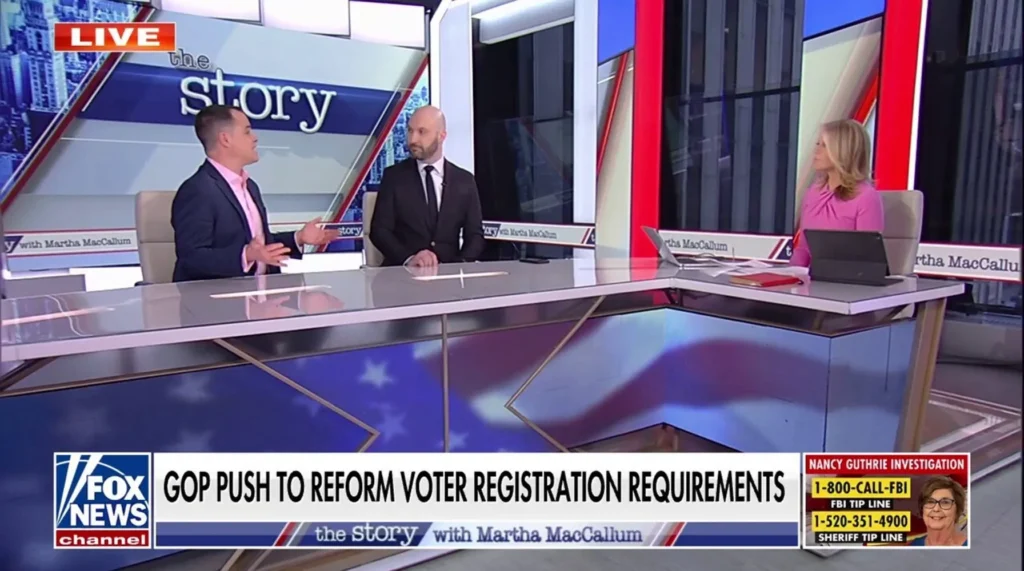
The SAVE Act has become a flashpoint for partisan tension in Washington. Senate Majority Leader Chuck Schumer has dismissed the legislation as “Jim Crow 2.0,” arguing that the requirements would disproportionately suppress legal voters rather than addressing any verified widespread fraud. However, some moderate voices have pushed back on that framing; Senator John Fetterman (D-Pa.) recently told Fox News that he would not use such inflammatory rhetoric, noting that “84% of Americans have no problem with presenting IDs to vote.” Collins, who recently launched her 2026 reelection bid, has framed her support for the bill as a common-sense measure to build public trust in the electoral process, even as she continues to clash with the more hardline elements of the Trump administration’s agenda.
By refusing to support the “nuclear option” to scrap the filibuster, Collins remains a pivotal figure in the procedural standoff that defines the 119th Congress. President Trump has frequently pressured Senate Republicans to “terminate” the 60-vote rule to clear a path for his legislative priorities, including tax rollbacks and the recent EPA endangerment finding repeal. Collins, however, argues that the filibuster is an essential tool for bipartisan compromise, preventing whichever party is in power from ramming through radical changes without national consensus. Her stance means the SAVE Act is likely to remain “dead on arrival” in the current Senate, serving more as a political signal for the 2026 campaign trail than a near-term legislative reality.+1
As the 2026 election cycle heats up, Collins is navigating a complex landscape in Maine, where she remains the only Republican holding statewide office. Her decision to back the voter ID effort may help solidify her support among the GOP base, while her defense of the filibuster maintains her brand of “seniority and independence.” Democrats have already signaled that they intend to make her 2026 race a referendum on the national Republican platform, particularly her past votes for Supreme Court justices. For now, Collins appears focused on balancing her party’s policy goals with her longstanding commitment to the Senate’s traditional rules, even if it means her own favored legislation faces a steep uphill climb.