

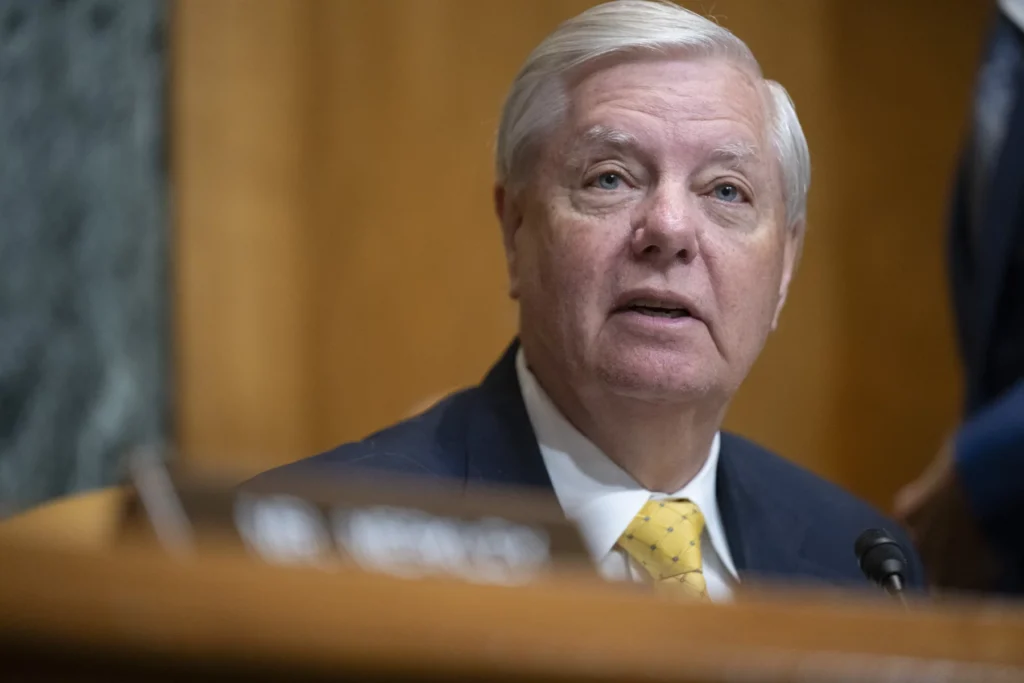
Senate GOP Advances $70bn ICE Funding Plan
Senate budget reconciliation ICE funding
Senate Republicans formally advanced a pivotal budget resolution on Thursday, April 23, 2026, marking a significant escalation in their efforts to bypass Democratic opposition and secure long-term funding for federal immigration enforcement. The 52-46 party-line vote followed a marathon overnight session known as a “vote-a-rama,” during which lawmakers considered dozens of amendments related to border security and national defense.
This procedural victory kickstarts the budget reconciliation process, a powerful legislative tool that allows the majority to pass fiscal measures with a simple 51-vote majority rather than the typical 60-vote filibuster threshold. The resolution specifically targets $70 billion in new funding for U.S. Immigration and Customs Enforcement (ICE) and U.S. Customs and Border Protection (CBP).
Senator Lindsey Graham, Chairman of the Senate Budget Committee, stated that the move is essential to ending the protracted Department of Homeland Security (DHS) shutdown and protecting the nation from emerging security threats. Official updates on the legislative timeline are available via the U.S. Senate Budget Committee newsroom.
The legislative maneuver is designed to provide stable funding for immigration agencies through the remainder of the current presidential administration, spanning the next three and a half years. President Donald Trump previously set a strict June 1 deadline for Congress to deliver a final funding bill to his desk, threatening to keep parts of the government closed until enforcement priorities are met.
Democrats have consistently opposed the funding increases, arguing that any new resources must be accompanied by strict humanitarian guardrails and oversight of federal agents. By utilizing reconciliation, Republicans are effectively sidestepping these demands and prioritizing the immediate expansion of detention capacity and border surveillance technology.
Senate Majority Leader John Thune emphasized that the resolution provides a clear blueprint for the Judiciary and Homeland Security committees to draft a final bill by May 15. Detailed analysis of the budget resolution and its impact on federal spending can be tracked through Reuters and other international news agencies.
The advancement of the $70 billion package comes amid a broader debate over national debt and the use of the reconciliation process for non-traditional spending measures. Critics of the plan, including Senate Minority Leader Chuck Schumer, have slammed the move as a partisan power grab that ignores the root causes of the immigration crisis.
Under the current resolution, the committees are authorized to increase the federal deficit by up to $140 billion over the next decade to accommodate the surge in enforcement activity. This fiscal strategy follows the previous year’s passage of the “One Big Beautiful Bill Act,” which utilized similar maneuvers to fund major infrastructure and defense projects.
As the reconciliation bill moves toward a final vote in the coming weeks, political analysts expect continued legal and procedural challenges from those who argue the measure violates the Senate’s Byrd Rule. Ongoing coverage of the floor debates and the upcoming committee markups is being provided by The Guardian and other major political outlets.