

Platner Wins Maine Senate Primary
Graham Platner Maine Senate
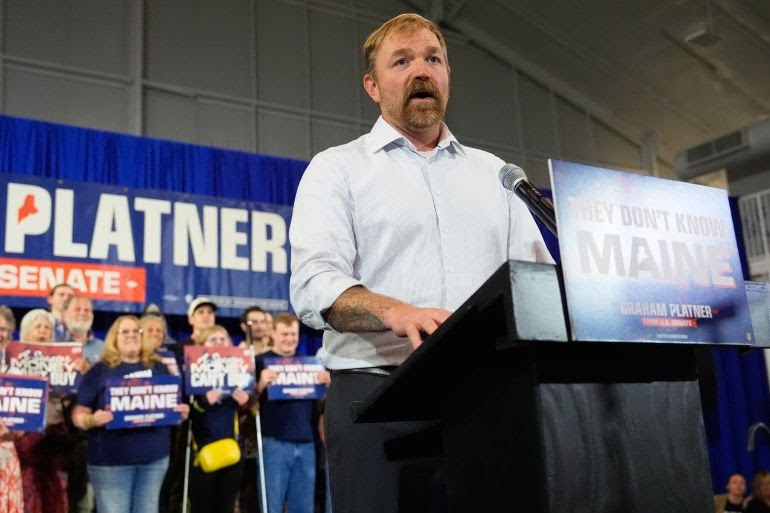
Graham Platner, a 41-year-old Marine veteran and oyster farmer, emerged victorious in Maine’s Democratic primary for the U.S. Senate on Tuesday, overcoming a series of high-profile personal controversies to secure the party’s nomination. With approximately 72% of the vote, Platner comfortably defeated opponents including Governor Janet Mills—who had suspended her campaign in April—and David Costello. His win marks a significant turning point in a closely watched midterm contest that national Democrats view as essential for their efforts to flip a Republican-held seat and regain control of the upper chamber, as covered in recent election analysis.
The campaign was marked by intense scrutiny of Platner’s background, including past social media posts, allegations of volatile behavior toward former partners, and scrutiny over a now-covered tattoo previously associated with extremist imagery. Despite the negative headlines, Platner maintained a strong populist message, focusing his platform on rising housing costs, healthcare accessibility, and an aggressive stance against corporate influence in politics. In his victory speech, the candidate framed his past as a journey toward redemption, pledging to work to earn the trust of voters who may have been disillusioned by the primary process, as noted in local reporting.
Platner’s general election opponent, incumbent Senator Susan Collins, has represented Maine for decades and holds a significant position as the chair of the Senate Committee on Appropriations. As the only remaining Republican senator from New England, Collins is expected to face a formidable challenge from the motivated Democratic base. National figures have already begun to rally behind the nominee, signaling that the race in Maine will be among the most heavily funded and hotly contested battles of the November cycle, as detailed in ongoing political coverage.
The focus now shifts to the general election, where Platner aims to leverage his working-class background and military experience to appeal to voters outside the traditional Democratic establishment. With control of the Senate hanging in the balance, both parties are preparing for a grueling campaign that will likely center on economic populism, the current administration’s performance, and the national implications of the Maine seat.