Mass Tanker Blackout Rattles Gulf Prior to Major Oil Transfer
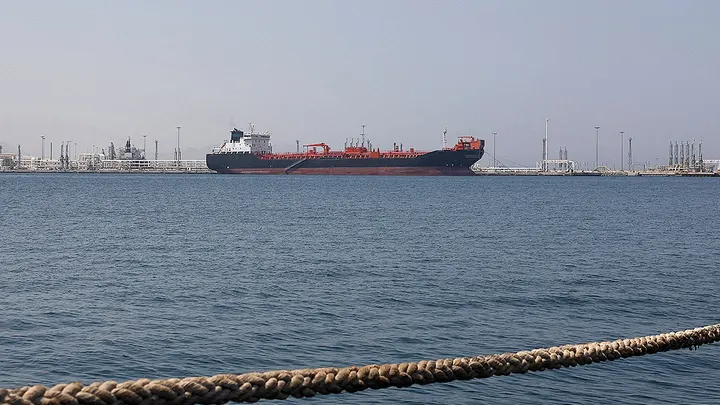
A sudden and widespread maritime tracking signal blackout has rattled the Persian Gulf, raising immediate security alarms just hours before a scheduled 1.35-million-barrel oil transfer. According to data released by an artificial intelligence maritime intelligence firm on Sunday, automatic identification system transponders on multiple commercial vessels simultaneously went dark near the United Arab Emirates’ strategic Fujairah bunkering and oil hub. The abrupt drop in tracking visibility has injected intense friction into the highly volatile shipping lane, leaving energy analysts and security agencies scrambling to determine whether the disruption stems from a coordinated electronic warfare attack or intentional deceptive shipping practices. The incident has significantly heightened regional anxieties, occurring in a heavily monitored maritime corridor that serves as the primary gateway for Middle Eastern energy exports.
The mass communications failure unfolded at a highly sensitive diplomatic juncture, coinciding with intensive, high-stakes peace negotiations between the United States and Iran aimed at formalizing a permanent maritime truce. The tracking collapse occurred directly within the critical approaches to the Strait of Hormuz, a narrow global chokepoint that has been the focal point of a sweeping U.S. naval blockade and recurring military exchanges over the past two months. Maritime security experts noted that while individual vessels frequently mask their positions to obscure their destinations, a synchronized signal blackout involving multiple independent hulls represents an unprecedented operational anomaly. The unexpected disruption has severely complicated real-time traffic monitoring for international naval forces operating under United States Central Command, which has been maintaining a strict posture to safeguard commercial transit.
The timing of the electronic disruption is particularly critical as international energy markets closely monitor a massive, legally sensitive logistics operation involving the transfer of 1.35 million barrels of crude oil. Shipping operators face a narrow operational window to execute the complex ship-to-ship transfer safely, a procedure that demands absolute navigational precision and constant communication to prevent catastrophic environmental or logistical accidents. The localized communication vacuum has caused immediate friction for regional port authorities, who must carefully coordinate the movement of hundreds of heavily laden merchant vessels currently bottled up throughout the Persian Gulf. Despite the operational chaos caused by the tracking blind spot, diplomatic teams representing Washington and Tehran have continued their bilateral discussions, with both sides reviewing final text revisions ahead of the upcoming regional holidays.