
Lebanon Army Chief Briefs Cabinet on Hezbollah Disarmament Strategy
Lebanon Hezbollah disarmament plan 2026
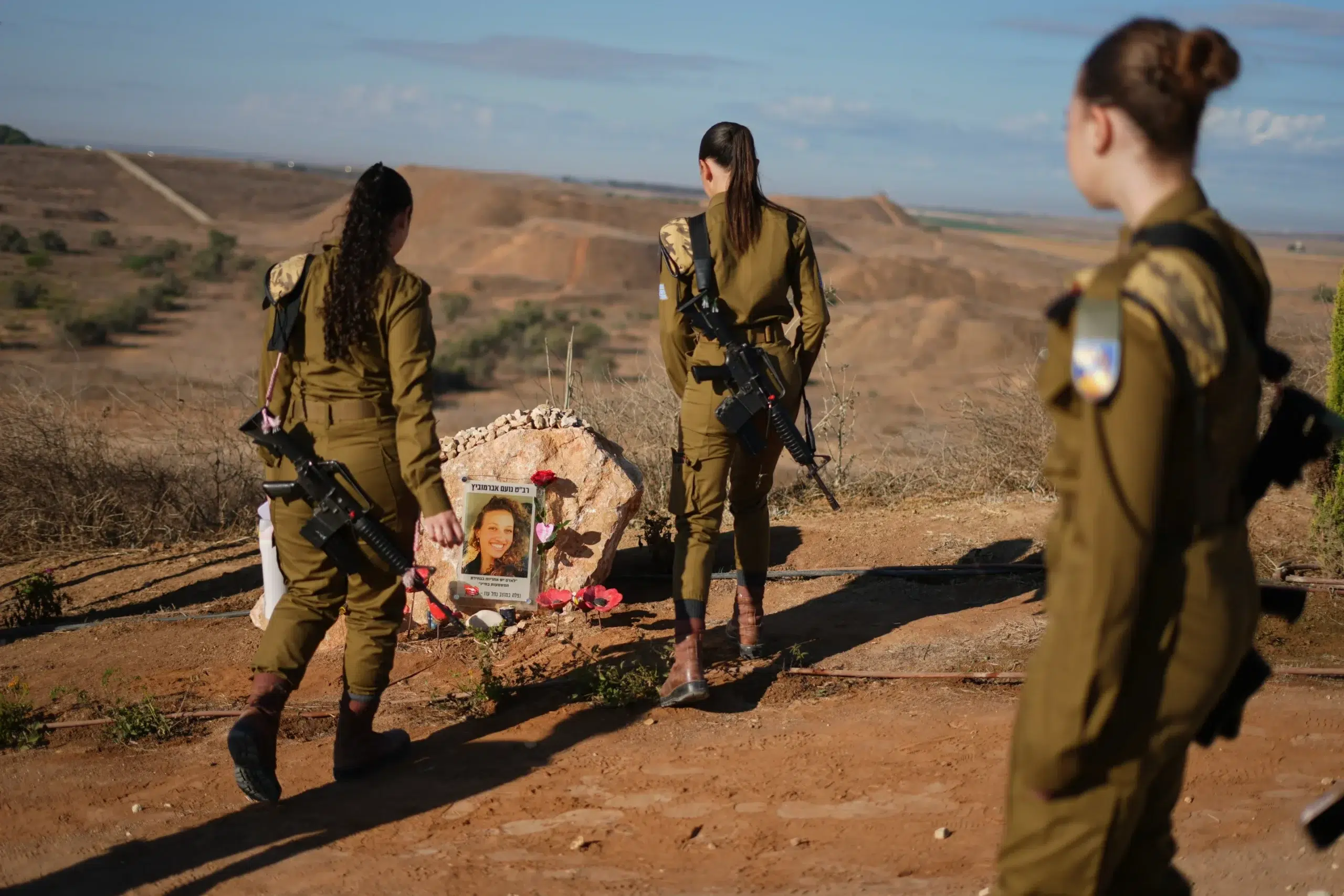
The Lebanese government is navigating a critical juncture in its mission to centralize all weapons under state authority, with Army Commander General Rodolphe Haykal scheduled to deliver a high-stakes briefing to the cabinet on Thursday, January 8, 2026. This meeting comes as Lebanon officially missed its December 31, 2025, deadline for the complete disarmament of Hezbollah under a U.S.-brokered ceasefire agreement. While the Lebanese Armed Forces (LAF) have reportedly completed over 90 percent of their deployment south of the Litani River, the government remains under intense international pressure to prove measurable progress in dismantling the militant group’s infrastructure. General Haykal is expected to announce the conclusion of the “first phase” of the mission, which focused on the southern buffer zone, while outlining the significantly more challenging subsequent stages that involve disarming the group in its northern strongholds and the Bekaa Valley.
The atmosphere surrounding the disarmament mission has become increasingly volatile due to a sharp escalation in Israeli military activity across Lebanon. Israeli officials have accused the Lebanese government of “dragging its feet” and failing to prevent Hezbollah from rebuilding its military assets south of the Litani. In response, the Israeli Air Force has conducted daily strikes throughout the first week of January, hitting targets in Sidon, the eastern Bekaa Valley, and southern coastal districts. These strikes are widely viewed by Lebanese officials as a form of “political blackmail” intended to force a more aggressive timeline for the disarmament process. Lebanese President Joseph Aoun has consistently rejected these accusations, maintaining that the army is fulfilling its tasks with precision and that any delays are a direct result of Israel’s continued occupation of five strategic border points and its repeated violations of Lebanese airspace.
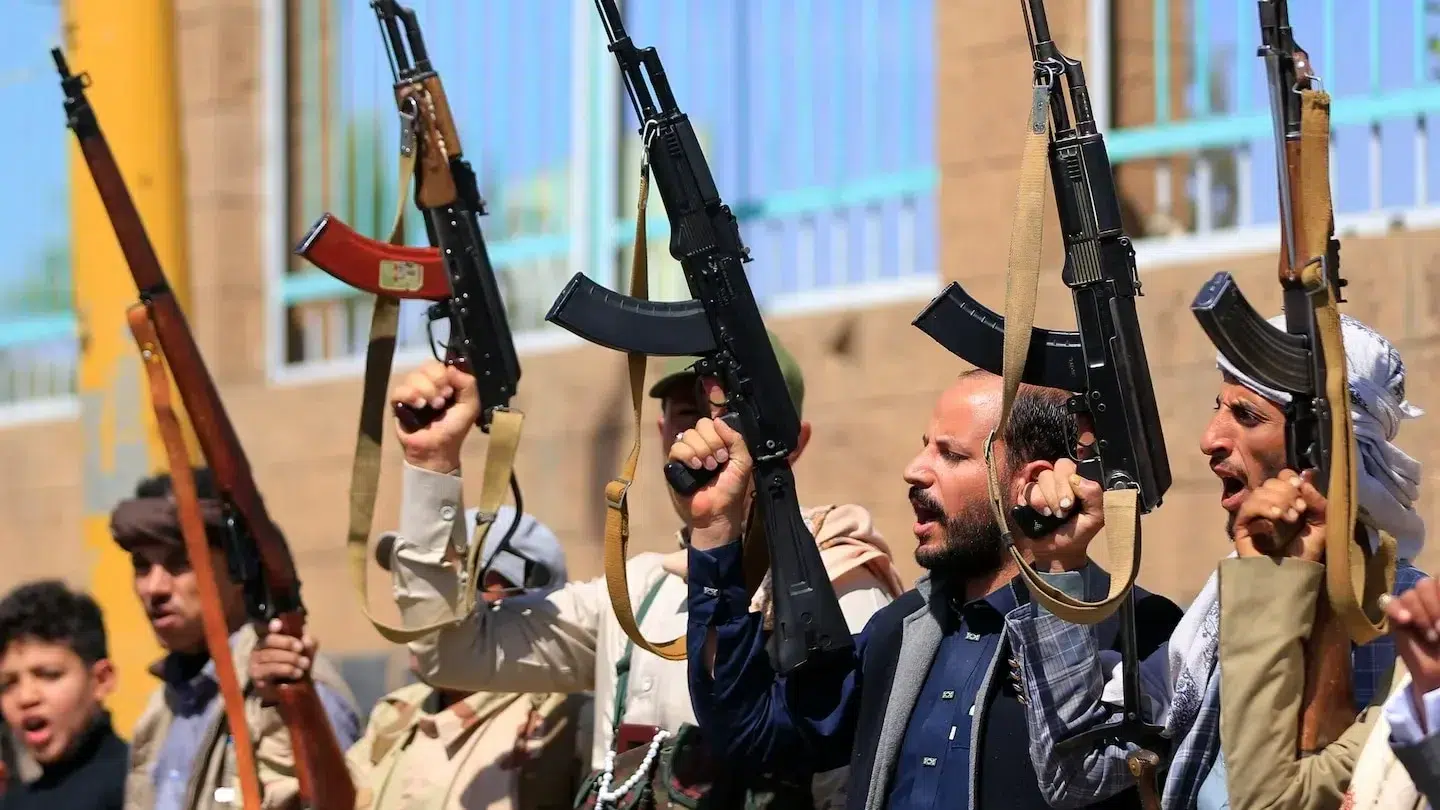
Hezbollah’s leadership has maintained a defiant stance, with Secretary-General Naim Qassem recently characterizing the disarmament plan as an “Israeli-American project” that does not serve Lebanon’s national interest. The group has officially rejected calls to surrender its arsenal, arguing that there can be no discussion regarding its weapons until Israel completely withdraws from occupied Lebanese territory and halts its daily bombings. Despite this public rhetoric, the group has allowed the Lebanese army to dismantle certain tactical infrastructure south of the Litani River to maintain the fragile truce. This delicate “coexistence” between the state and the militant group is being tested as the government’s 2025 ministerial statement explicitly omitted the traditional “resistance” formula, replacing it with a clear mandate for the state’s monopoly over the use of force.
International stakeholders, led by the United States and France, are closely monitoring the progress of the LAF as they move into the second phase of the deployment plan north of the Litani. The U.S. has provided over $237 million in security assistance to Lebanon, but recent congressional legislation has linked continued funding to verified benchmarks in the disarmament process, with a formal report due by June 2026. As General Haykal presents his monthly progress update, the cabinet must balance the demands of the international community with the internal risk of civil friction. The success of the mission is seen as the only viable path toward long-term stability and economic recovery for a nation still grappling with the fallout of the 2024 conflict and a multi-year financial crisis. For now, the focus remains on whether the Lebanese army can successfully transition from the relatively cooperative first phase to the much more contentious task of addressing Hezbollah’s heavy weaponry elsewhere in the country.