

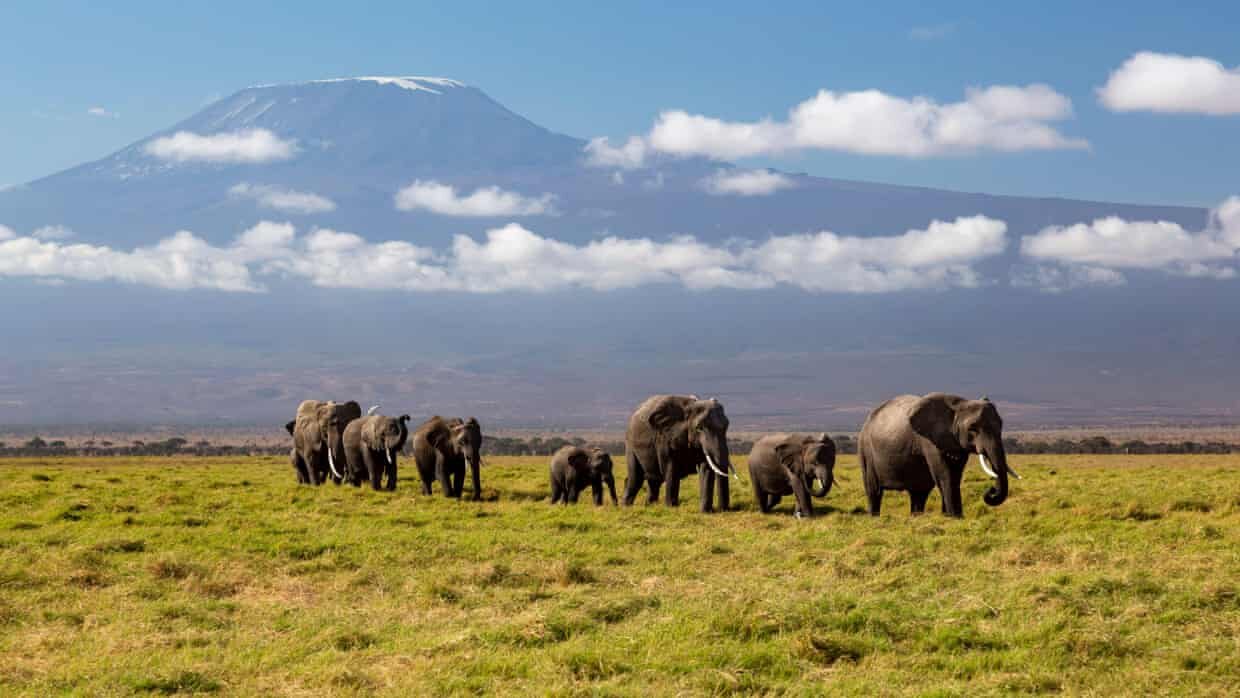
Kenya Investigates Mysterious Deaths of 15 Elephants
Kenya wildlife authorities have launched a comprehensive investigation into the sudden and unexplained deaths of fifteen elephants over a one-month period in and around Amboseli National Park.
According to official statements released by the Kenya Wildlife Service, the fatalities occurred between late June and late July across the national park as well as the adjoining Kimana Sanctuary and Kuku Ranch conservancy areas.
Field veterinarians noted that ten of the affected pachyderms exhibited severe neurological symptoms, including partial paralysis that rendered them unable to stand, before dying within one to two days. The remaining five carcasses were heavily scavenged or decomposed upon discovery, preventing immediate determination of their cause of death.
Conservationists expressed heightened concern over the demographic impact, noting that fourteen of the dead animals were females and calves, with only a single adult male identified among the deceased.
Laboratory analyses and environmental assessments are currently underway to pinpoint the exact source of the fatal condition. Preliminary laboratory tests conducted by researchers at the University of Nairobi identified traces of a potential toxic substance in biological samples retrieved from the carcasses, though initial screenings by the Government Chemist returned negative results for common commercial poisons.
In response to the conflicting findings, wildlife officials have expanded their inquiry to include comprehensive testing of local natural water sources, soil samples, and vegetation across the migratory corridor to determine whether the animals consumed a common contaminant or toxin. Authorities sought to reassure surrounding communities and tourists by clarifying that there is no indication the underlying condition poses any biological risk or transmissible threat to human populations.
The mysterious cluster of deaths represents an unprecedented conservation emergency for the region, where mass elephant mortality at this scale has not been recorded in recent decades. While human-wildlife conflict and agricultural retaliatory poisonings have historically posed threats to local herds, the rapid onset of paralytic symptoms across multiple family groups suggests an unusual environmental or toxicological factor.
According to a detailed report published by CBS News, team members from wildlife management agencies and environmental organizations continue to conduct daily aerial and ground patrols throughout the Amboseli ecosystem to monitor surviving herds and prevent further casualties. Officials emphasized that additional toxicology reports will be released publicly as specialized testing progresses.