
Judge Quashes DOJ Subpoenas Against Fed Chair Powell
Judge blocks Jerome Powell DOJ subpoenas 2026
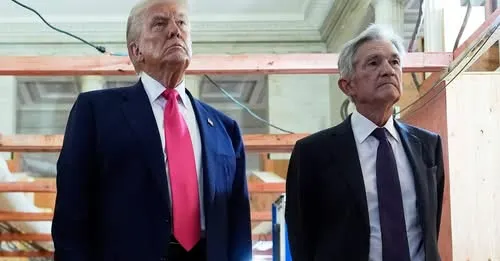
In a major legal defeat for the Justice Department, a federal judge has quashed subpoenas issued against Federal Reserve Chair Jerome Powell, characterizing the government’s criminal investigation as an unsubstantiated attempt at political coercion. U.S. District Judge James E. Boasberg, in a newly unsealed court opinion released Friday, March 13, 2026, determined that the government had produced “essentially zero evidence” to suggest that Powell had committed any crime. The ruling ends months of sealed litigation following grand jury subpoenas served in January, which the Justice Department claimed were part of an inquiry into whether Powell gave misleading testimony to Congress regarding a $2.5 billion renovation of the Federal Reserve’s headquarters. According to the unsealed opinion, Boasberg wrote that the justifications provided by prosecutors were “so thin and unsubstantiated” that the court concluded they were merely pretextual.

The investigation, led by U.S. Attorney for D.C. Jeanine Pirro, centered on Powell’s June 2025 testimony before the Senate Banking Committee, where he denied that the Fed’s multi-year construction project included lavish amenities like rooftop gardens or “special elevators.” Pirro’s office argued that the subpoenas were a necessary legal step after the central bank allegedly ignored multiple requests for information about cost overruns. However, Judge Boasberg disagreed, stating that a “mountain of evidence” suggested the subpoenas were actually intended to pressure Powell into resigning or lowering interest rates to align with the preferences of the Trump administration. Legal analysts have noted that the ruling is a significant victory for the principle of central bank independence, which has been a point of intense friction since the administration began its “Golden Age” economic push.
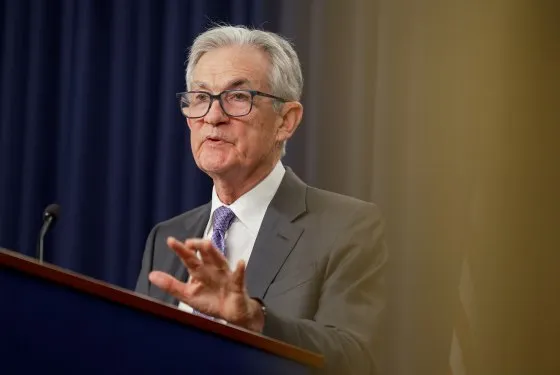
The standoff between the White House and the Federal Reserve has previously rattled global financial markets, with the threat of a criminal indictment against a sitting Fed chair being described as unprecedented. Powell has consistently maintained that the investigation was a retaliatory measure for the Fed’s refusal to cut rates as aggressively as the President demanded. While the Justice Department has not yet indicated whether it will appeal the decision, the unsealing of the docket has provided the public with the first clear look at the internal legal battle. As Powell’s term as chairman is set to expire in May, the ruling effectively removes a major legal cloud over his final months in office, though the administration has already moved forward with nominating former Fed governor Kevin Warsh as his successor.