

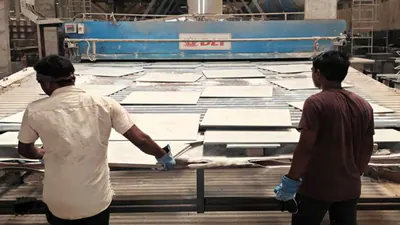
Iran War Triggers Massive Morbi Ceramic Hub Shutdown
Morbi ceramic factory fuel shortage Iran war 2026
MORBI, INDIA — The global ceramic manufacturing capital of Morbi has ground to a near-total standstill as the ongoing military conflict in Iran chokes off essential fuel supplies to the region. Since the commencement of Operation Epic Fury and the subsequent blockade of the Strait of Hormuz, over 400 industrial units in the Gujarat district have been forced to extinguish their kilns. This industrial hub produces more than 80 percent of India’s ceramic tiles and is the second-largest manufacturer in the world.
Local industry leaders report that the sudden suspension of propane and liquefied natural gas imports has made continued operations impossible for most small and medium enterprises. According to verified reports from The New Indian Express, the state government has officially acknowledged that 1,212 industries have shut down across Gujarat due to sustainability issues linked directly to the West Asia crisis.
The crisis stems from the region’s extreme dependency on imported energy that traditionally transits through the Persian Gulf. Approximately 70 percent of Morbi’s ceramic units rely on propane gas while the remaining 30 percent utilize natural gas provided by state networks. With Iranian forces maintaining a barricade in the Strait of Hormuz, the supply of these petroleum products has vanished overnight.
Prices for available industrial gas have skyrocketed from 40 rupees to 119 rupees per cubic meter as domestic reserves are prioritized for essential services. Manufacturers in the district warn that the current commercial propane stocks are almost entirely depleted across the cluster. According to analysis from Hindustan Times, the loss of these critical shipping lanes has effectively halted an annual export turnover of 18,000 crore rupees.
The human and economic toll of the fuel shortage is becoming increasingly visible as thousands of migrant workers begin a mass exodus from the industrial zone. Many workers have returned to their home states after factories went cold and dark due to the lack of heat for tile-firing processes. For those remaining, the future is uncertain as production costs have surged beyond the point of global competitiveness.
Domestic tile and sanitaryware prices across India have already jumped significantly as the supply chain for building materials fractures. According to economic data from IEEFA, the surge in global crude oil to 114 dollars per barrel has further amplified the fiscal pressure on Indian manufacturing. Industry veterans in Gujarat state that even if the war concludes shortly, it will take at least two months for the specialized kilns to reach normal operating temperatures again.
Government officials in New Delhi are attempting to project calm while monitoring the situation for potential intervention or fuel subsidies. However, the scale of the disruption suggests that the Indian construction sector will face prolonged delays and higher costs for the foreseeable future. The ceramic association in Morbi has called for urgent diplomatic efforts to reopen energy corridors to prevent a permanent collapse of the sector.
For now, the once-vibrant factories of northwest India remain silent as the smoke from the conflict in Iran casts a long shadow over the global supply chain. As reported by various business outlets, the desertion of worker quarters and the cold kilns of Morbi represent one of the most significant economic casualties of the 2026 war.