
Iran Assembly of Experts to Name Supreme Leader
Iran Supreme Leader successor March 2026
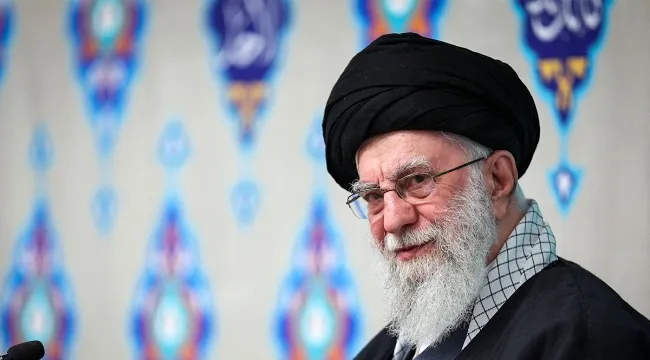
Iran’s Assembly of Experts is expected to formally announce a successor to the late Supreme Leader Ayatollah Ali Khamenei within the next twenty-four hours, marking a critical turning point in the country’s forty-eight-year history. According to reports from the semiofficial Fars News Agency, members of the eighty-eight-seat clerical body have been meeting in high-stakes sessions to finalize a decision following the death of Khamenei during the opening salvos of a joint U.S.-Israeli military campaign on February 28. Hossein Mozafari, a prominent member of the Assembly, indicated on Saturday that there is “strong hope” for a definitive announcement by Sunday morning. The selection process is occurring under extraordinary circumstances, as the Iranian capital remains under constant threat of aerial bombardment and several high-ranking officials remain in secure bunkers. This leadership transition follows other seismic shifts in the region, including the recent F-15E fighter jet crash in Kuwait and the identification of American soldiers killed in drone strikes.
The primary focus of the deliberations centers on a small group of high-profile candidates, with Mojtaba Khamenei, the second son of the late leader, widely considered a frontrunner despite concerns over hereditary rule. Reports from The Guardian suggest that Mojtaba has secured the backing of the Islamic Revolutionary Guard Corps (IRGC), which views his close ties to the security apparatus as essential for maintaining regime stability during the current conflict. However, his candidacy faces internal opposition from clerics who argue that a father-to-son transition undermines the anti-monarchical foundations of the 1979 Revolution. Other leading contenders include Ayatollah Alireza Arafi, a member of the current Interim Leadership Council and the Guardian Council, who is seen as a “system man” capable of bridging the gap between the clerical establishment and the military. According to the Carnegie Endowment for International Peace, the final choice will likely reflect the urgent need for a hardline commander-in-chief to steer the nation through the ongoing war.
The selection process is further complicated by explicit threats from the United States and Israel, both of whom have warned that any newly appointed leader will be viewed as a legitimate military target. President Donald Trump stated on Friday that the United States is monitoring potential candidates and expects the next leader to be “great and acceptable” to Washington, even suggesting that the only viable outcome is “unconditional surrender.” As reported by Radio Free Europe/Radio Liberty, the White House has signaled it will not recognize a leader who continues the aggressive regional policies of the previous administration. This external pressure coincides with a period of intense domestic scrutiny, as the Iranian government faces a legitimacy crisis fueled by widespread protests and the reported deaths of nearly fifty senior leaders in the initial waves of “Operation Epic Fury.” The tension in Tehran mirrors the domestic volatility in the United States, following the ouster of Kristi Noem as DHS Secretary and the [suspicious link removed] in Georgia.
While the Assembly of Experts attempts to project an image of continuity, the logistical reality of the vote remains fraught with difficulty. An earlier session in the holy city of Qom was reportedly cut short after Israeli airstrikes targeted the building where the clerics were gathered, forcing the body to move to more secure, undisclosed locations. In the interim, a three-person council consisting of President Masoud Pezeshkian, Chief Justice Gholam-Hossein Mohseni-Eje’i, and Ayatollah Arafi continues to manage day-to-day state affairs under Article 111 of the Iranian Constitution. For those seeking live updates on the 2026 Iranian leadership election, the outcome of this 24-hour window will determine whether Iran chooses a path of continued resistance or moves toward a potential de-escalation with the international coalition.