
Hillary Clinton Compares Trump’s Gold Decor to Saddam Hussein’s Palaces
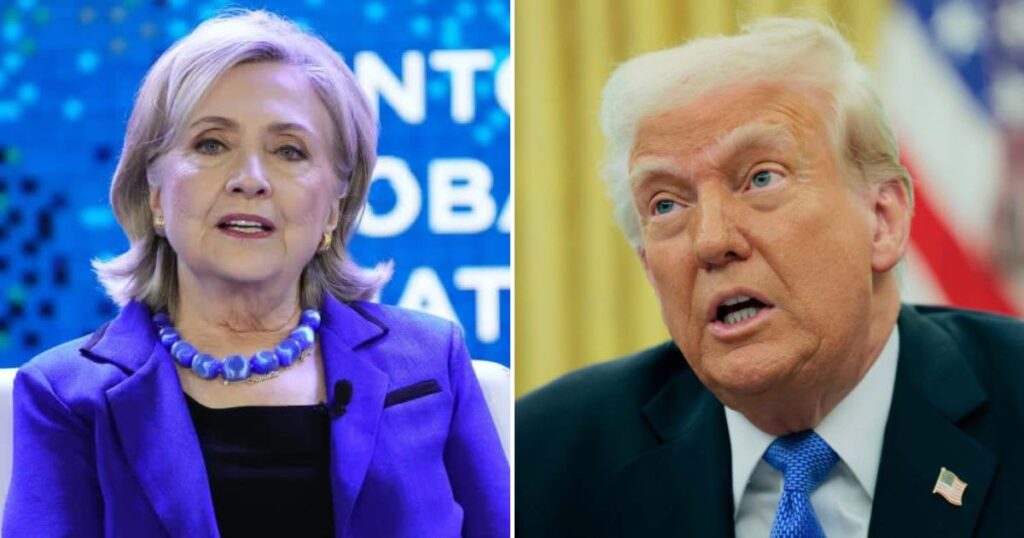
Former US Secretary of State Hillary Clinton has criticized President Donald Trump’s heavily decorated White House, comparing the gold-filled style to the palaces of former Iraqi leader Saddam Hussein.
Speaking to podcast host Kara Swisher, Clinton described Trump’s renovations and decorations as “tackied up” and said they reflected what she characterized as his desire to project importance. She specifically pointed to the use of gold embellishments around the Oval Office. The remarks were reported after the interview was posted on Friday, August 7.
“It’s sad to me — it’s sad that it’s so tackied up,” Clinton said, according to the reported transcript of the interview. She argued that Trump’s apparent focus on adding gold to the White House reflected what she described as his “narcissistic personality.”
Clinton then invoked Saddam Hussein, saying Trump’s approach to decorating the presidential residence was reminiscent of the former Iraqi dictator’s palaces. Saddam ruled Iraq for decades before being overthrown by the US-led invasion in 2003.
The comparison is not entirely new. Trump’s taste for lavish, gold-heavy interiors has previously been compared with Saddam Hussein’s palatial residences. Vanity Fair, for example, published a comparison of Trump’s former mansion and one of Saddam’s palaces as far back as 2016.
Clinton also used the discussion to criticize Trump’s approach to foreign policy. She contrasted his apparent interest in gold decorations with the difficult task of managing the United States’ involvement in conflicts abroad.
The comments are likely to attract attention because of the long-running political rivalry between Clinton and Trump. Clinton was Trump’s Democratic opponent in the 2016 US presidential election, which Trump won.
Trump has frequently embraced grand and highly ornate designs in his properties, and his administration has made notable changes to parts of the White House. Clinton’s latest remarks add a sharp political criticism of those changes, using one of the most controversial former leaders of the Middle East as a point of comparison.