
Appeals Court Allows Trump Ballroom Work to Proceed
White House ballroom construction appeals court
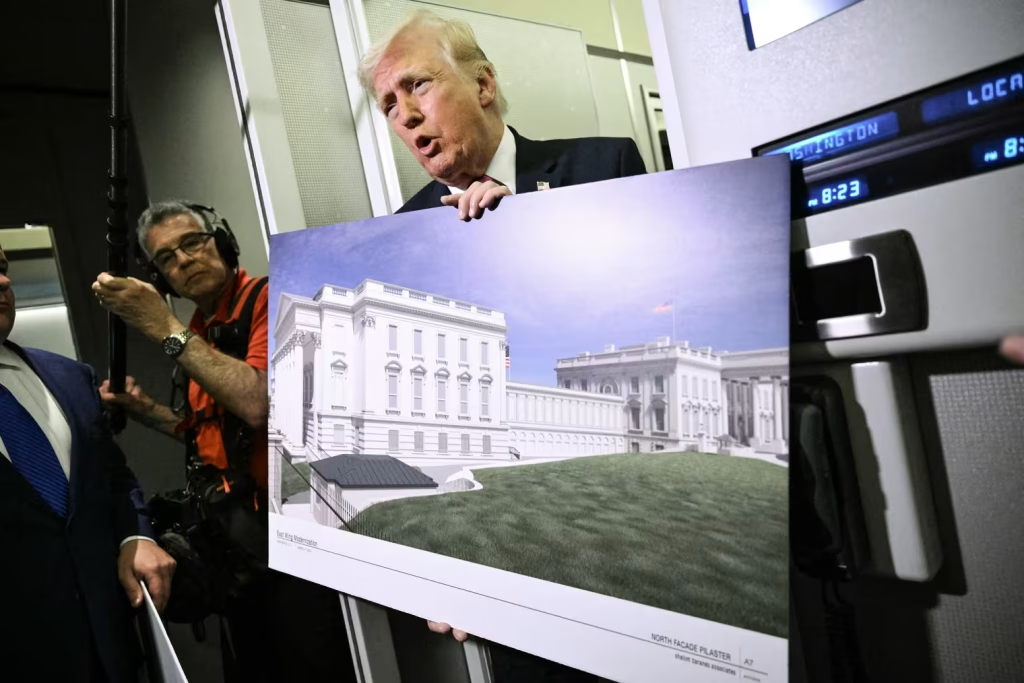
A federal appeals court has issued an administrative stay that allows construction on President Donald Trump’s controversial White House ballroom to continue. The U.S. Court of Appeals for the District of Columbia Circuit late Friday put a temporary hold on a lower court order. This earlier order had previously halted above-ground work on the executive mansion site.
The new decision means that building crews can proceed with the massive project while the court prepares for a full hearing on June 5. The legal battle centers on whether the administration has the proper authority to replace the historic East Wing. The planned structure is a massive 90,000-square-foot facility intended for official functions. You can read the official report on the appeals court allowing the White House ballroom construction to continue through our legal news bureau.
The dispute follows a ruling by U.S. District Judge Richard Leon who initially blocked construction in March. He believed the project required explicit approval and authorization from the United States Congress. Judge Leon later clarified that only underground security facilities and bunkers could be built during the legal review. The Trump administration argued that halting the 400-million-dollar project would create immediate security risks.
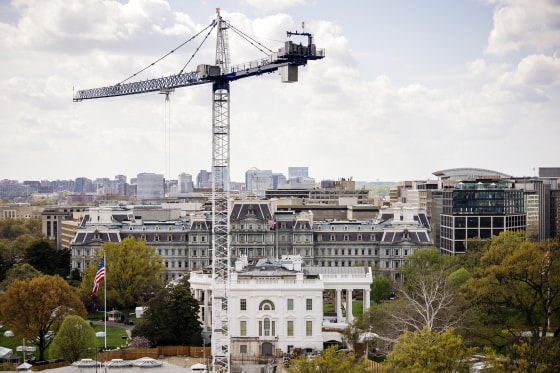
They also stated a pause would leave a large and dangerous hole in the executive complex. Government lawyers have noted that the project is funded entirely by private donations from wealthy individuals and corporations. For a detailed breakdown of how the Trump administration was cleared to continue construction, please visit our political archives.
President Trump has defended the ballroom as a necessary and long-overdue modernization of the White House complex. He believes it is a vital venue for future state dinners and significant international events. The president has frequently criticized the judicial intervention on social media platforms. He labeled the legal challenges as a politically motivated overreach by partisan groups. The National Trust for Historic Preservation remains the primary plaintiff in the lawsuit.
They argue that the demolition of the original East Wing was an illegal act that ignored preservation laws. As construction cranes remain active in the heart of Washington, the June hearing will determine the ultimate fate of the project. Further details on the appeals court allowing all White House ballroom construction to resume are available through our verified news tracker.