

Dow Plummets 700 Points as Greenland Tariff Fears
Dow Jones tumbles 700 points Greenland tariffs
Wall Street experienced a significant sell-off on Tuesday, January 20, 2026, as the Dow Jones Industrial Average plummeted more than 700 points in early trading. The sharp decline was triggered by escalating geopolitical tensions following President Donald Trump’s ultimatum to eight European allies regarding the purchase of Greenland. Investors reacted with alarm to the President’s threat to impose a 10% import tariff starting February 1, 2026, on goods from Denmark, France, Germany, and the United Kingdom, among others, unless a deal for the Arctic territory is reached. The CBOE Volatility Index, widely known as the market’s “fear gauge,” surged nearly 28% to climb above the 20 threshold for the first time since late 2025. This spike indicates a profound shift in investor sentiment as the prospect of a protracted and “dangerous” transatlantic trade war becomes increasingly real.
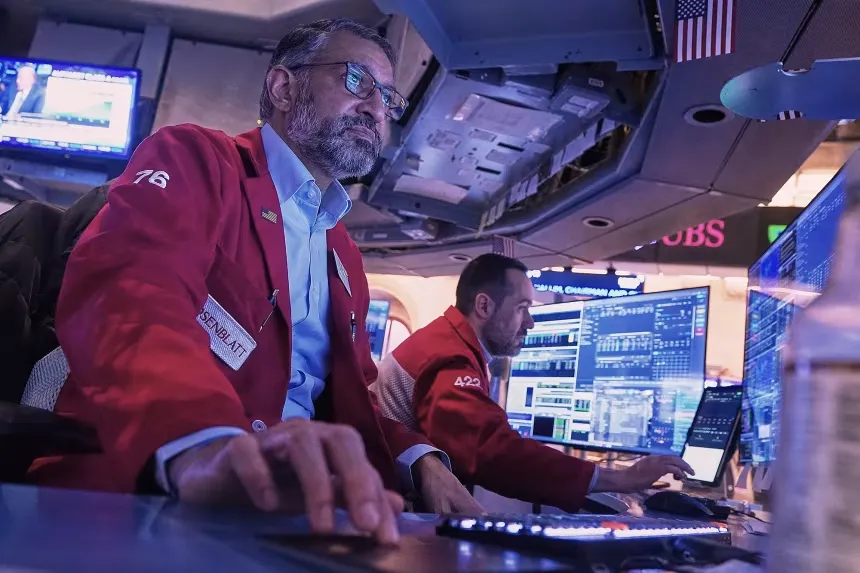
The market downturn was broad-based, with ten of the eleven S&P 500 sectors trading in negative territory. Large-cap technology stocks and blue-chip industrial firms led the losses, as analysts warned that the proposed tariffs—which could escalate to 25% by June—would disrupt complex global supply chains and inflate costs for American consumers. Companies with significant European revenue exposure, such as Nvidia, Amazon, and 3M, saw their share prices slide as the European Union signaled it was preparing a “trade bazooka” of retaliatory measures. Market strategists noted that while Wall Street had previously adopted a “wait and see” approach to the administration’s rhetoric, the formal tying of trade penalties to territorial demands has injected a new and unpredictable dimension into global economic policy.
Adding to the day’s volatility, investors are closely watching the U.S. Supreme Court, which is expected to rule shortly on the legality of the President’s use of the International Emergency Economic Powers Act to bypass Congress in imposing such tariffs. The uncertainty surrounding this judicial outcome, combined with a disappointing start to the corporate earnings season, has created a “risk-off” environment where capital is rapidly rotating into safe-haven assets like gold and silver. Treasury yields also ticked higher as the standoff showed no signs of de-escalating, despite attempts by Treasury Secretary Scott Bessent to calm the markets from the World Economic Forum in Davos. As the February 1 deadline approaches, analysts expect continued turbulence as the world’s largest economies navigate this unprecedented diplomatic and financial confrontation.