

AAPL Plunges 5% as Siri AI Snags and FTC
Apple stock AAPL plunge February 2026
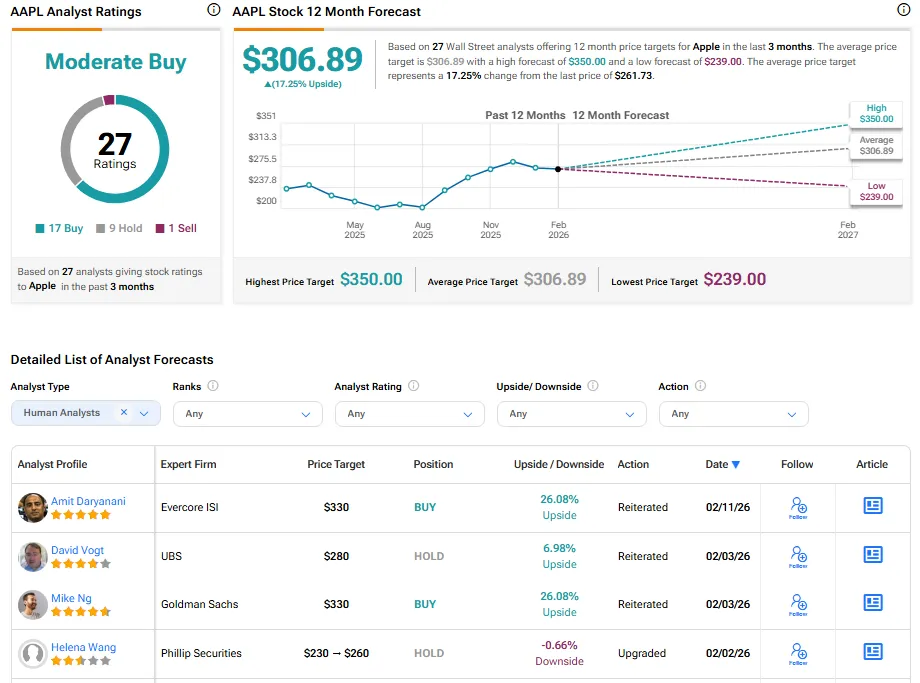
Apple Inc. (AAPL) suffered its most significant market setback in nearly a year on Thursday, February 12, 2026, with shares plunging 5% to close at approximately $261.73. The single-day selloff wiped out a staggering **$200 billion** in market capitalization, marking the tech giant’s second-largest valuation loss in history, eclipsed only by the “Liberation Day” tariff shock of April 2025. While a sudden wave of institutional rotation out of “Big Tech” played a role in the broader market decline, Apple was uniquely hammered by a combination of internal technical setbacks regarding its artificial intelligence strategy and a new, politically charged regulatory threat from the Federal Trade Commission (FTC).
The primary catalyst for the decline was a report from Bloomberg News detailing critical “snags” in the development of Siri 2.0. Investors had anticipated that Apple’s revamped, LLM-powered assistant would anchor the iOS 26.4 update in March, but internal testing has reportedly revealed that the system frequently fails to process in-app commands and often defaults to OpenAI’s ChatGPT rather than Apple’s own proprietary models. Consequently, the full rollout of advanced features—including personal context awareness and cross-app functionality—is now expected to be delayed until May 2026 or even the fall launch of the iPhone 18 Pro.
Compounding the AI woes, Apple CEO Tim Cook received a formal inquiry from the FTC on Thursday regarding alleged censorship on the Apple News platform. Chairman Andrew Ferguson warned that the agency is investigating claims that the curation algorithms may be suppressing certain political viewpoints in violation of the company’s terms of service. This regulatory scrutiny added a layer of reputational risk that institutional investors found difficult to ignore, especially as the administration intensifies its focus on the monopolistic power of digital gatekeepers. Additionally, supply chain reports suggest that rising costs for high-density DRAM and NAND memory chips could squeeze iPhone gross margins by as much as 15% in the coming quarter.
Despite the sharp decline, some analysts remain optimistic about the company’s long-term trajectory. Evercore ISI reiterated an “outperform” rating, suggesting that the delay in Siri’s rollout is a byproduct of Apple’s stringent privacy-first AI approach, which requires complex on-device processing to safeguard user data. Apple confirmed to CNBC late Thursday that it still intends to meet its 2026 launch commitments, though it did not specify which features would arrive first. As the S&P 500 breaks key support levels, all eyes are on whether Apple can stabilize its position before its next major software showcase at WWDC in June.