
SCOTUS Further Weakens Voting Rights Act in Callais Ruling
Supreme Court Voting Rights Act ruling 2026
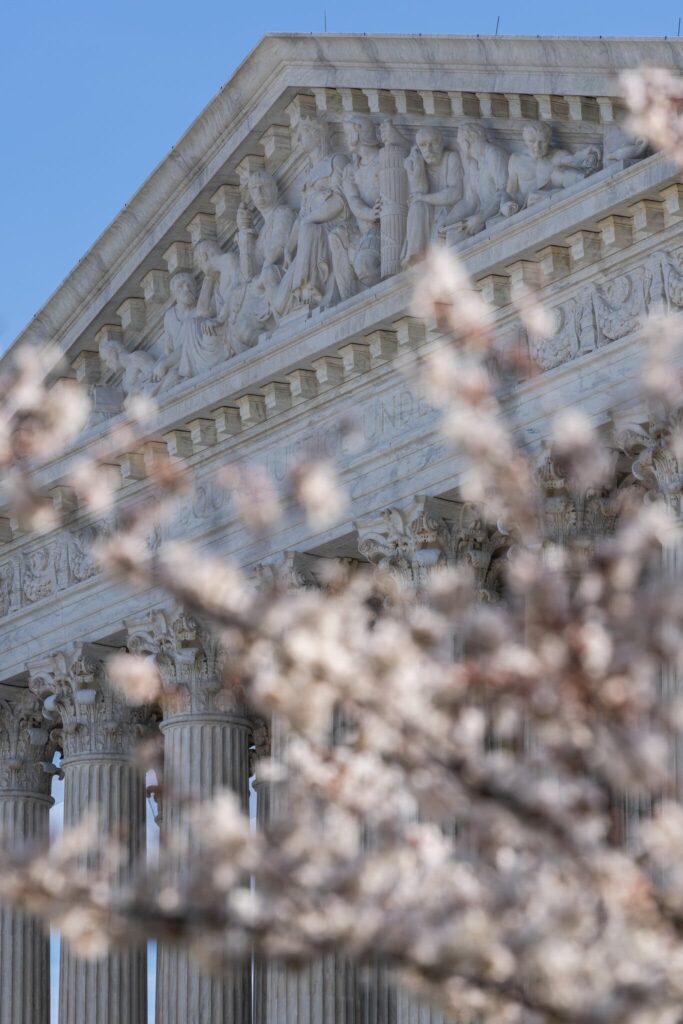
The Supreme Court of the United States issued a landmark 6-3 decision on Wednesday that significantly narrows the scope of the Voting Rights Act of 1965, specifically targeting the protections afforded under Section 2. In the case of Callais v. Louisiana, the conservative majority ruled that the landmark civil rights law only prohibits redistricting plans when there is a strong inference of “intentional discrimination.”
Writing for the majority, Justice Samuel Alito argued that the court was not striking down the statute but rather providing a proper interpretation that prevents what he described as unconstitutional racial gerrymandering. This ruling effectively overturns decades of legal precedent that allowed for challenges based on the “results” or “effects” of a map on minority voting power, rather than just the intent of the lawmakers who drew it.
The decision immediately impacts Louisiana’s congressional districts, invalidating a map that had been drawn to include two majority-Black districts to comply with previous lower court orders.
Justice Elena Kagan, writing a sharp dissent joined by Justices Sonia Sotomayor and Ketanji Brown Jackson, characterized the ruling as the “final chapter” in the court’s ongoing dismantling of the Voting Rights Act.
She argued that by requiring proof of intentionality—a notoriously difficult legal standard to meet—the court has essentially “eviscerated” the law’s ability to protect communities of color from being silenced through tactical redistricting. Civil rights organizations have expressed alarm over the decision, noting that it provides a blueprint for states to redraw maps ahead of the 2026 midterm elections with far less federal oversight or legal risk.
Critics of the ruling assert that it ignores the historical context of the Fifteenth Amendment and leaves minority voters with virtually no defense against sophisticated efforts to dilute their political influence. Detailed legal analysis and the full text of the opinions can be found through The Guardian and Democracy Docket.
The political ramifications of the ruling are expected to be profound as both parties prepare for a high-stakes electoral cycle.
While the decision arrived too late to fundamentally alter all active maps for the current year, it grants legislative bodies across the country broad permission to prioritize partisan or demographic objectives in future map-making. Republicans have generally lauded the decision as a victory for constitutional clarity and a step toward “race-blind” governance, while Democrats and advocacy groups are already calling for urgent legislative action to restore the protections lost in this ruling.
Organizations such as the Lawyers’ Committee for Civil Rights Under Law have vowed to continue fighting voting discrimination through the remaining legal avenues, though they acknowledge that the Supreme Court’s latest interpretation has made that path significantly more challenging. Further updates on the national response and potential legislative remedies are available via Common Cause and Time Magazine.