
US Destroyer Blocks Iranian Oil Tankers
US Navy intercept Iran oil tankers
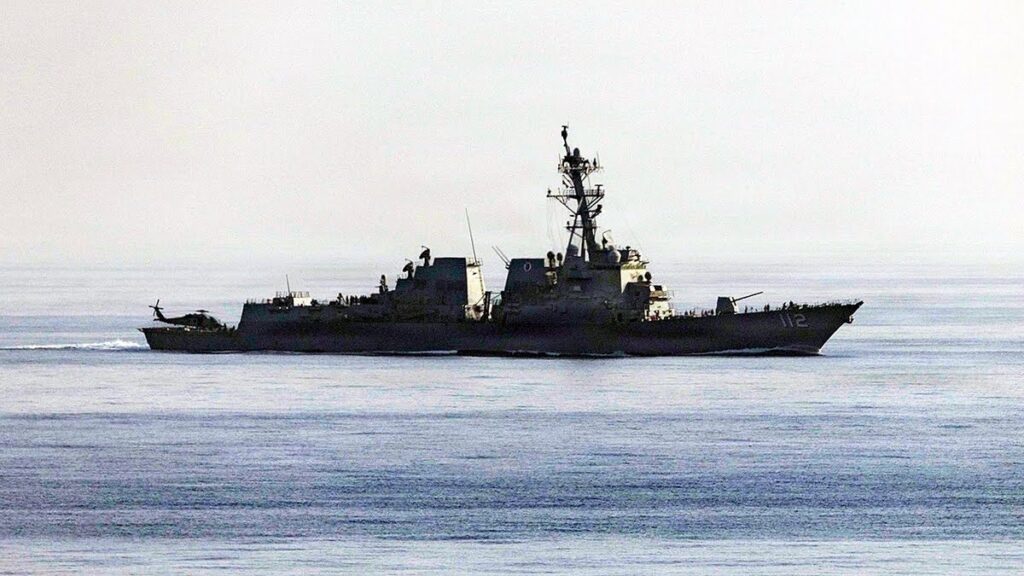
The United States Navy successfully intercepted two oil tankers attempting to depart from Iranian waters on Tuesday as the military intensifies its enforcement of a new maritime blockade. The Arleigh Burke-class guided-missile destroyer USS Frank E. Petersen Jr. confronted the vessels shortly after they departed from Chabahar Port in the Gulf of Oman. Official reports from the United States Central Command indicate that the warship utilized radio communications to order the tankers to reverse their course and return to an Iranian port.
The two tankers were part of a group of six merchant vessels that complied with the military instructions during the first twenty-four hours of the enforcement operation. This direct confrontation marks a significant escalation in the ongoing conflict known as Operation Epic Fury and demonstrates the administration’s commitment to isolating the Iranian economy. You can find more information regarding the initial interception of Iranian tankers in our updated regional conflict report.
This aggressive naval maneuver follows the formal implementation of a total blockade authorized by President Donald Trump earlier this week. The blockade aims to pressure the Iranian government into ending its effective closure of the Strait of Hormuz and resuming diplomatic negotiations. Central Command has deployed over ten thousand personnel and a dozen warships to monitor and control maritime traffic throughout the region.
While the military maintains that no unauthorized vessels have successfully bypassed the blockade since Monday, some private tracking data suggests that a small number of ships may have navigated through the chokepoint. The United States continues to provide protection for vessels traveling to and from non-Iranian ports to ensure the relative stability of global energy markets. Detailed updates on the CENTCOM enforcement of the maritime blockade are available through our verified news portal.
Despite the heightened military activity at sea, there are emerging signs of a potential return to the negotiating table. President Trump suggested on Wednesday that a second round of peace talks could occur within the next forty-eight hours in Islamabad. Diplomats from both nations have reportedly reached an in-principle agreement to extend the current two-week ceasefire until April 22 to allow for further mediation.
International mediators are currently working to address several critical sticking points including the Iranian nuclear program and financial compensation for wartime damages. The global community is watching these developments closely as the blockade has already caused significant fluctuations in the price of crude oil and other basic goods. You can follow the latest developments on the US-Iran peace talks through our dedicated legislative and diplomatic tracking section.