
Houthis Join War as Iran Retaliates Over Nuclear Site Attacks
Houthis join Iran war March 2026
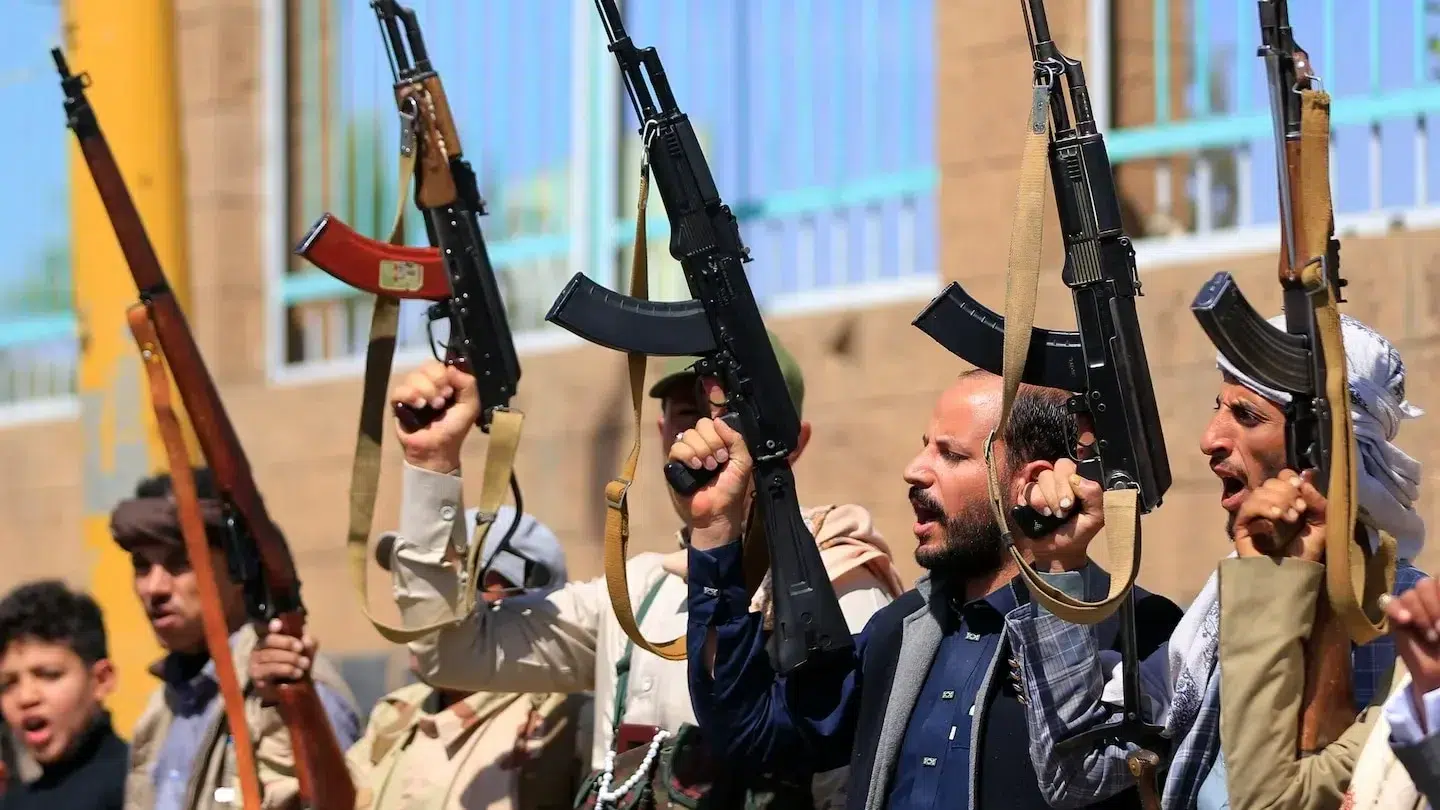
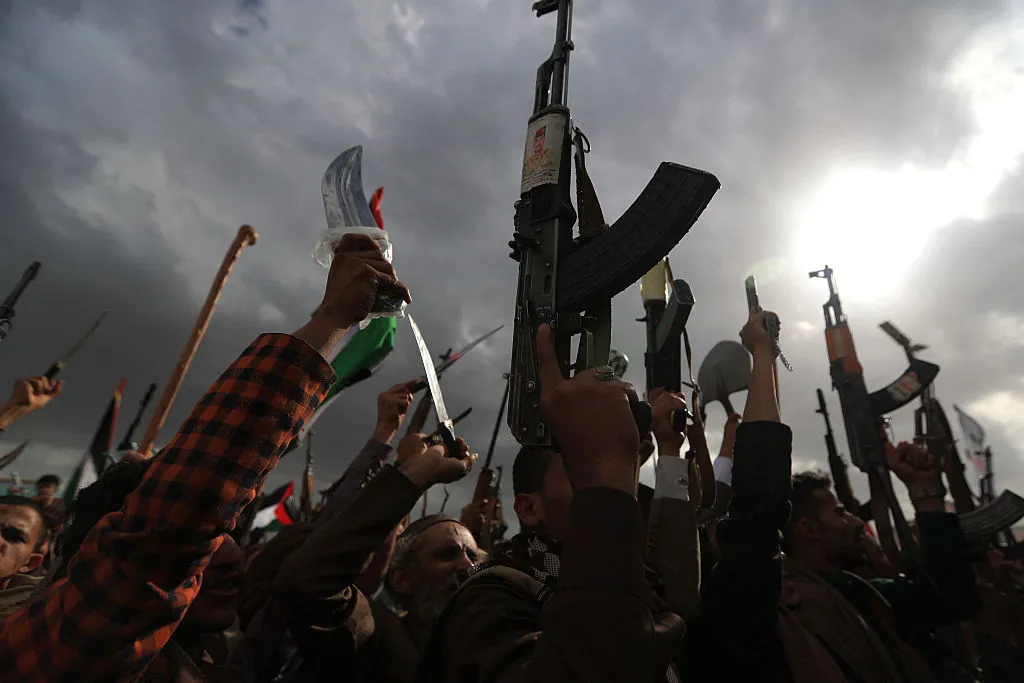
The Middle East conflict reached a critical turning point on Saturday, March 28, 2026, as Yemen’s Houthi rebels officially declared their entry into the war by launching a series of ballistic missiles toward southern Israel. This significant military escalation follows a high-stakes Israeli operation that targeted several of Iran’s sensitive nuclear facilities, including the Shahid Khondab Heavy Water Complex in Arak and the Ardakan yellowcake production plant. While the Israel Defense Forces confirmed the interception of a Houthi projectile over the southern city of Beer Sheba, the involvement of the Yemeni group marks the opening of a volatile new front that threatens to destabilize Red Sea shipping lanes. For detailed updates on the military maneuvers and interceptions, you can follow the live coverage at The Guardian as the situation unfolds.
Iran’s retaliatory response to the nuclear site attacks was swift, with Tehran launching strikes against strategic targets across the Gulf, including a military base in Saudi Arabia that resulted in injuries to several U.S. service members. The Iranian Atomic Energy Organization confirmed that while the sites in Arak and Yazd province were hit, there were no reported radioactive leaks at the facilities themselves. Despite these intense exchanges, diplomatic channels remain active as U.S. President Donald Trump announced a temporary delay of planned strikes on Iranian energy plants until April 6 to allow for further negotiations. The complexity of the situation is further heightened by the ongoing blockade of the Strait of Hormuz, which continues to rattle global energy markets. Further analysis on the economic impact of the Strait’s closure is currently being monitored by international trade experts.
As the war enters its second month, the humanitarian toll across Lebanon and Iran continues to mount, with the United Nations warning of a burgeoning food security crisis if a ceasefire is not reached soon. In Tehran, thousands of citizens have taken to the streets to protest the continued bombardment of their cities, while in the United States, massive “No Kings” demonstrations underscore growing domestic opposition to the administration’s current foreign policy. With regional powers like Pakistan and Egypt attempting to mediate between Washington and Tehran, the international community remains on high alert for any further expansion of the conflict by the “Axis of Resistance.” To stay informed on the latest developments regarding these diplomatic efforts and the protests, you can track the real-time reporting from regional correspondents.