
National Assembly Orders Re-Gazetting of 2025 Tax Reform Laws Amid Allegations of Unauthorized Alterations
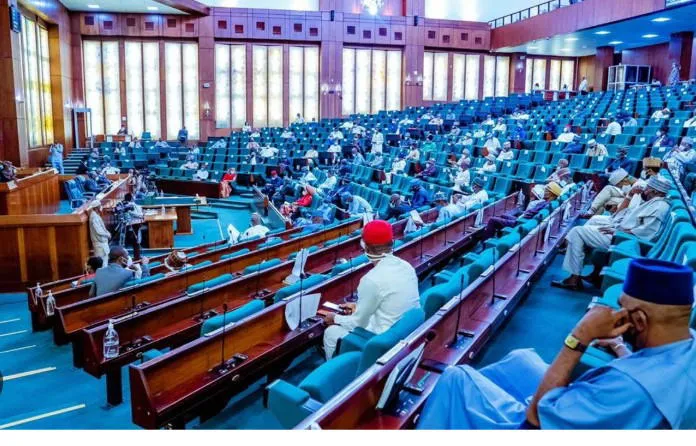
The National Assembly of Nigeria has officially ordered the re-gazetting of several critical tax reform laws following intense public scrutiny and allegations of unauthorized changes. This decision was announced on Friday December 26 2025 by the leadership of the Senate and the House of Representatives to ensure the total integrity of the nation’s legislative records. The move comes as a direct response to growing concerns that the official government publication of the new tax acts does not accurately reflect the specific versions that were originally debated and passed by the federal lawmakers. Leadership has now directed the Clerk to the National Assembly to issue certified true copies of the authentic bills to restore public confidence in the tax administration system before the new laws take full effect in the coming days.
The specific pieces of legislation affected by this high-level directive include the Nigeria Tax Act of 2025 and the Nigeria Tax Administration Act of 2025 along with two other establishment acts. These laws were originally designed to modernize the fiscal framework of the country and harmonize various revenue collection processes under a single unified system. However a prominent lawmaker from Sokoto State recently raised a serious alarm regarding significant discrepancies between the legislative approvals and the final gazetted versions available to the public. This revelation has sparked a wave of public outrage as citizens and business stakeholders expressed deep fears that external interferences might have altered the core provisions of the tax regime. The House has now committed to a thorough administrative review to identify how these lapses occurred during the final stages of the legislative process.
A specialized seven-member ad hoc committee has been inaugurated by the House of Representatives to reconstruct the entire sequence of events surrounding the passage and presidential assent of the bills. House Spokesman Akin Rotimi emphasized that the review is intended to be purely administrative and does not imply any fundamental defect in the authority of the legislature. This investigative body will work closely with the management of the National Assembly to examine any potential irregularities or external interferences that may have compromised the official documentation. The committee is expected to provide a clear timeline of how the harmonized bills were handled from the moment of their approval to their eventual publication in the Federal Government Gazette.
These tax reforms represent a cornerstone of the economic policy of President Bola Tinubu and are aimed at broadening the revenue base while improving the overall ease of doing business in Nigeria. The administration has frequently highlighted these acts as essential tools for achieving fiscal discipline and funding the record-breaking 2026 appropriation bill presented earlier this month. Despite the current controversy and the ongoing review process the implementation of the new tax regime is still scheduled to commence on January 1 2026 across all sectors of the economy. The government believes that the transition to the newly formed Nigeria Revenue Service will lead to a more autonomous and digitally-enabled collection system that eliminates many of the inefficiencies found in previous tax structures.
Legislative experts have noted that the National Assembly possesses internal mechanisms to rectify clerical errors and reconcile differences between passed bills and signed acts. The House leadership has urged the public to refrain from speculation and allow the institutional processes to proceed toward a transparent and accurate resolution. By ensuring that the re-gazetted laws are a perfect reflection of the will of the people the National Assembly seeks to uphold the principles of constitutionalism and the rule of law. This corrective measure is seen as a vital step in maintaining the credibility of the legislative branch while the country prepares for a major shift in its financial and tax governance under the current reform agenda.