

Theater Owners Condemn Netflix Acquisition of Warner Bros. Discovery as ‘Unprecedented Threat’
The global association representing movie theater owners has issued a blistering denouncement of Netflix’s confirmed agreement to acquire the film studio and streaming assets of Warner Bros. Discovery (WBD), labeling the $82.7 billion deal an “unprecedented threat to the global exhibition business.” The strong reaction, released by Cinema United, the international trade organization for the movie theater industry, came immediately after Netflix and WBD formally announced the transaction on Friday.
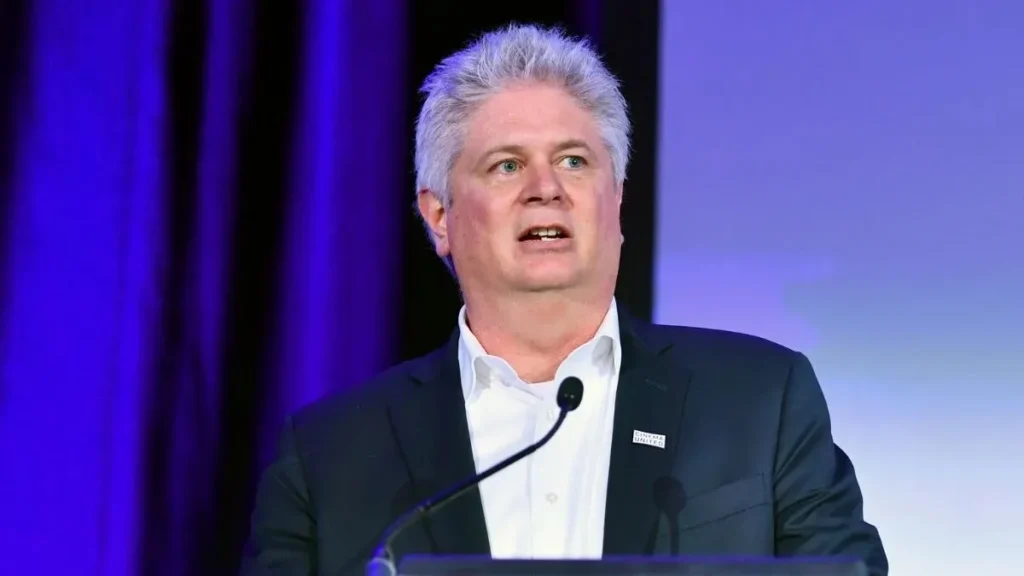
Michael O’Leary, President and CEO of Cinema United, stated that the acquisition poses a catastrophic risk to theaters ranging from the largest international circuits to small, independent venues worldwide. The core of the concern lies in Netflix’s historically antagonistic business model toward theatrical releases, which favors immediate availability on its streaming platform. “Netflix’s stated business model does not support theatrical exhibition. In fact, it is the opposite,” Mr. O’Leary stated, warning that the move will reduce the number of major studio films available for theatrical release, a critical source of revenue for cinemas still struggling to recover from the pandemic.
Though Netflix Co-CEO Ted Sarandos attempted to assuage concerns by pledging to honor Warner Bros.’ existing theatrical commitments and stating that the company would “continue to support” wide cinematic releases, he simultaneously noted that theatrical release windows would inevitably “evolve” to become quicker and more consumer-friendly. This language was interpreted by theater owners as a clear indication that the traditional exclusive 75-to-90-day theatrical window, which WBD had recently reinstated, will be swiftly curtailed or eliminated under Netflix’s ownership. Additionally, the Directors Guild of America (DGA) has also voiced significant concerns, noting that the merger reduces the number of major studios where creative professionals can pitch and produce their projects, further tightening Hollywood’s competitive landscape. The deal now faces a lengthy and contentious regulatory review process by both U.S. and European antitrust authorities.