

Chicago Faces New Severe Storm Threat
Chicago Severe Storms Warning
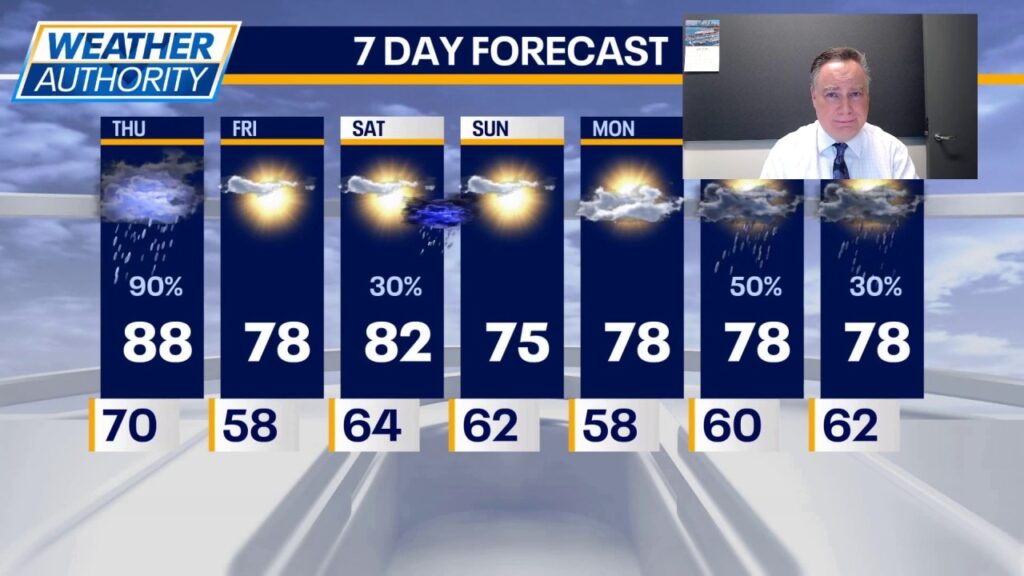
The Chicago area remains under a critical weather alert today, June 11, 2026, as residents brace for another round of severe thunderstorms. This latest threat follows a series of destructive storms that swept through the region on Wednesday, leaving a trail of damage characterized by downed trees, widespread power outages, and flash flooding. Meteorologists at the National Weather Service have issued severe thunderstorm watches for Cook, DuPage, and surrounding counties, warning that the unstable atmosphere—fueled by record-breaking early-summer heat—will trigger powerful convective activity. The forecast indicates that these storms could produce wind gusts exceeding 60 miles per hour, large hail, and the potential for isolated tornadoes as the system tracks across the Midwest.
Public safety officials are urging citizens to remain vigilant as the region enters this second wave of intense weather. With many communities still in the process of clearing debris and restoring electricity from yesterday’s events, local authorities have advised residents to secure outdoor items and prepare for potential emergency power interruptions. The primary hazards for Thursday include torrential downpours that may exacerbate localized flooding and damaging winds capable of further structural damage. Emergency management teams are actively monitoring the storm cells as they move into the metropolitan area, advising the public to seek shelter in sturdy structures if sirens are sounded.
The current weather pattern is part of a larger, dangerous system moving across the upper Midwest and Great Lakes regions. As the situation evolves, the National Weather Service is providing real-time data to help municipalities navigate the immediate hazards. For residents and businesses, maintaining access to multiple sources of emergency alerts is essential to staying informed throughout the day. Updates regarding the storm’s path, specific warning areas, and safety protocols for those in the affected regions can be found at the National Weather Service Chicago official site.