U.S. and Iran Exchange Strikes as Regional Tensions Boil Over Following Ceasefire Collapse
U.S. and Iran conflict escalation
The fragile peace between the United States and Iran has officially ended, with both nations engaging in a series of retaliatory strikes that have gripped the Middle East. The escalating conflict, which shattered the June 17, 2026, Memorandum of Understanding (MoU), has turned the Strait of Hormuz into a volatile theater of operations, effectively halting commercial maritime traffic and rattling global energy markets.
Breakdown of Hostilities
The situation deteriorated rapidly after reports surfaced that Iran was attempting to assert total control over the strait, demanding that commercial vessels adhere to new transit routes and threatening the implementation of unauthorized transit fees.
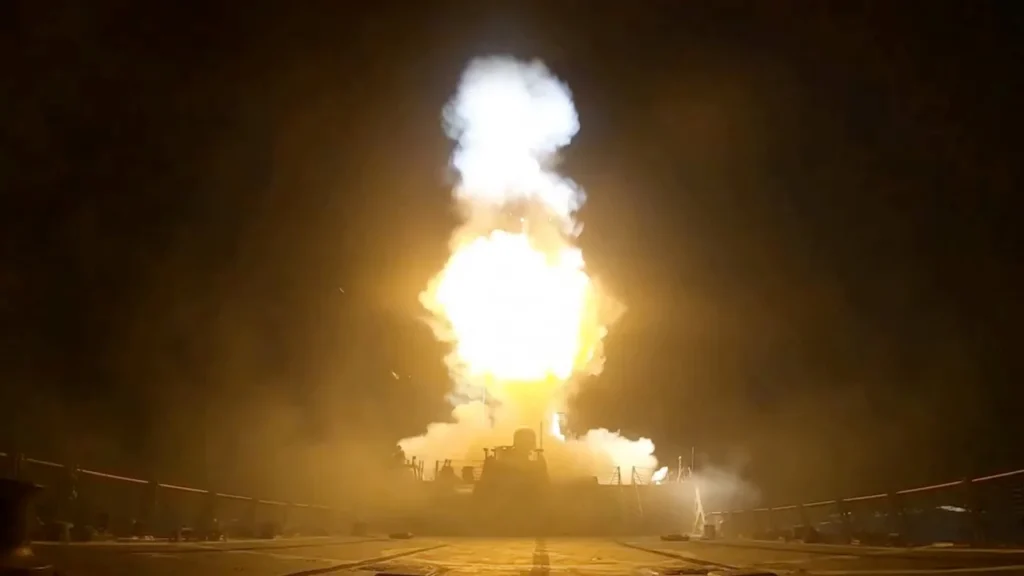
U.S. Offensive: Following the alleged Iranian attacks on three commercial vessels in early July, President Donald Trump declared the previous ceasefire “over.” U.S. military forces have since launched a wide-ranging campaign targeting key Islamic Revolutionary Guard Corps (IRGC) assets, including naval bases, anti-ship missile batteries, and critical command-and-control infrastructure.
Iranian Retaliation: Tehran has countered with a broad wave of drone and missile strikes targeting U.S. and allied interests across Bahrain, Kuwait, Jordan, Oman, Qatar, and the UAE. Most notably, IRGC officials claimed on July 12 to have struck and neutralized several U.S. HIMARS mobile rocket launchers stationed in Kuwait.
International Concern
United Nations Secretary-General António Guterres issued a stern warning regarding the “serious escalation,” highlighting the potential for a catastrophic regional collapse. The UN has called for immediate restraint from all parties, warning that the current trajectory poses a significant threat to global economic stability.
Despite international pressure, Washington maintains that its current military posture is a “nuanced approach to controlled escalation,” intended to deter further Iranian aggression and secure the freedom of navigation in international waters.