
Trump-Iran Peace Deal Status: Conflicting Timelines
US-Iran peace deal negotiations
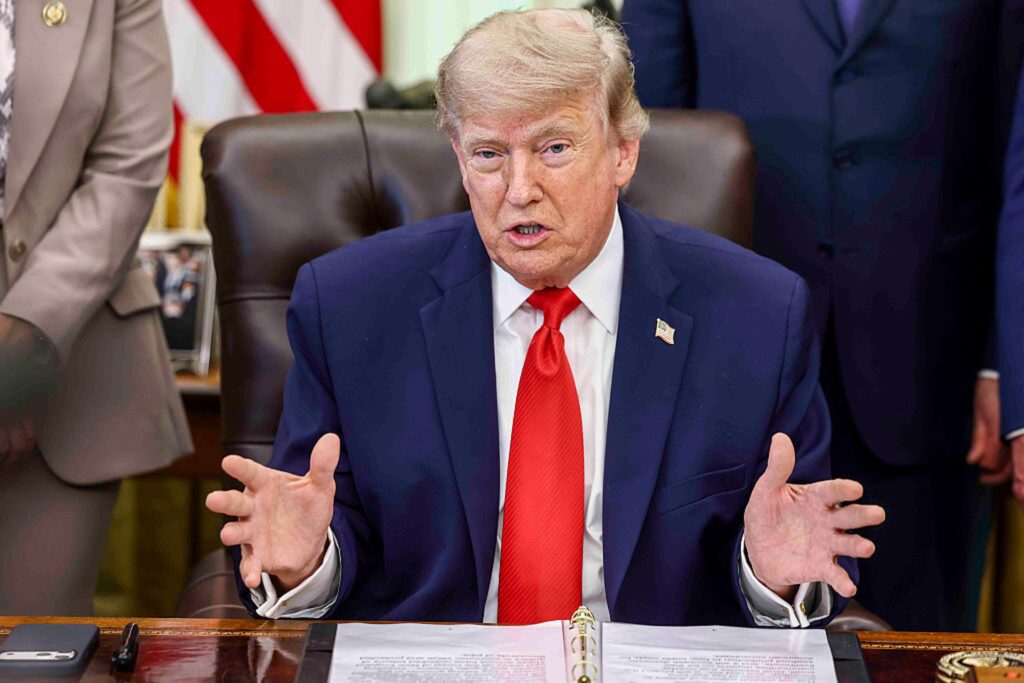
Tensions surrounding a potential U.S.-Iran peace deal reached a head on June 14, 2026, as President Donald Trump and Iranian officials presented conflicting accounts regarding the timing and contents of a proposed agreement. While President Trump declared on social media that a deal was scheduled to be signed on Sunday, June 14, and would immediately reopen the Strait of Hormuz to global shipping, spokespeople for the Iranian Foreign Ministry denied that a signing was set for that date. Although Tehran acknowledged that a memorandum of understanding (MoU) may be finalized in the coming days, they emphasized that it would serve as a framework for future talks rather than a definitive final settlement.
The dispute reflects broader disagreements over the substance of the deal, which both nations are framing as a victory to domestic audiences. According to sources close to the negotiations, the U.S. is pushing for the total dismantling of Iran’s highly enriched uranium stockpile and the unconditional reopening of the Strait of Hormuz. Conversely, Iranian officials have indicated they intend to retain service fees for transit through the strait and are seeking the early release of billions of dollars in frozen assets as part of the initial phase of the agreement.
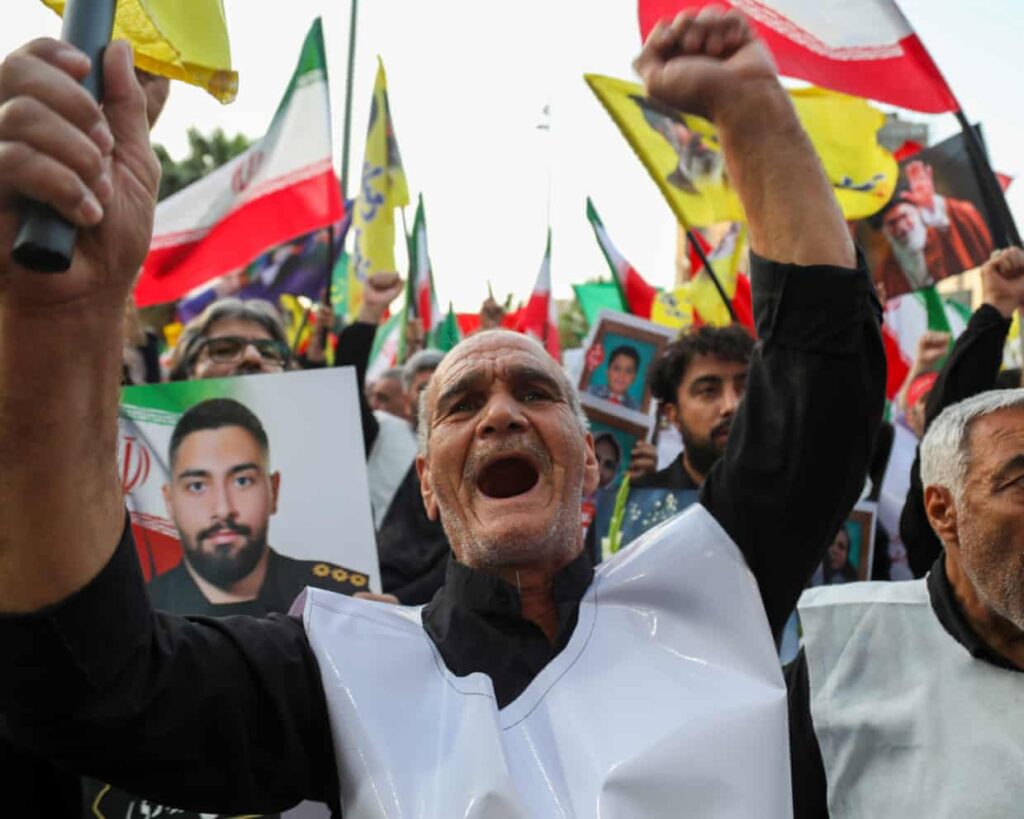
Mediators, including Pakistani Prime Minister Shehbaz Sharif, have expressed optimism, describing the parties as being “closer to a peace deal than ever before”. Despite this, the path forward remains fragile. Iranian hardliners have voiced significant opposition to the proposed terms, with protesters in Mashhad openly criticizing their own negotiators for allegedly making too many concessions. As both sides trade warnings and conflicting statements, international observers continue to monitor the situation, mindful of President Trump’s recent assertion that he reserves an “ultimate alternative” if the diplomatic process does not move forward successfully.