Iran Halts U.S. Talks, Threatens Strait of Hormuz Blockade
Iran halts U.S. negotiations Strait of Hormuz
Tensions in the Middle East reached a critical juncture on Monday, June 1, 2026, as Iran announced it was suspending all indirect message exchanges with the United States. The decision, communicated through the Tasnim News Agency, comes in direct response to what Tehran described as persistent U.S. and Israeli ceasefire violations, including recent aerial strikes on Iranian territory. Following the collapse of the diplomatic track, Iranian officials and military leadership have threatened to “completely block” the Strait of Hormuz and activate additional regional fronts, including the strategic Bab el-Mandeb Strait.
The suspension of talks follows a week of intense escalation. Over the weekend, the U.S. military conducted a third wave of “self-defense strikes” targeting Iranian radar and drone control sites, which Central Command stated were a response to the downing of a U.S. MQ-1 drone. In retaliation, the Islamic Revolutionary Guard Corps (IRGC) claimed to have struck an unspecified U.S. air base. These military actions have effectively stalled a potential memorandum of understanding, which had reportedly been under negotiation for weeks with Pakistan acting as a lead mediator. That proposed deal sought a 60-day cessation of hostilities and a framework to reopen the critical waterway, which has remained largely effectively closed to commercial traffic since late February.
President Donald Trump, who had been reviewing a draft of the agreement, reportedly requested late-stage edits regarding Iran’s nuclear commitments and specific language on the reopening of the strait. Sources indicate that these requests contributed to the diplomatic stalemate. Tehran’s decision to move toward a total blockade of the strait—a move they claim is necessary to “punish” Israel and its allies—threatens to further disrupt global energy supplies, as the waterway serves as a vital transit point for nearly a quarter of the world’s oil.
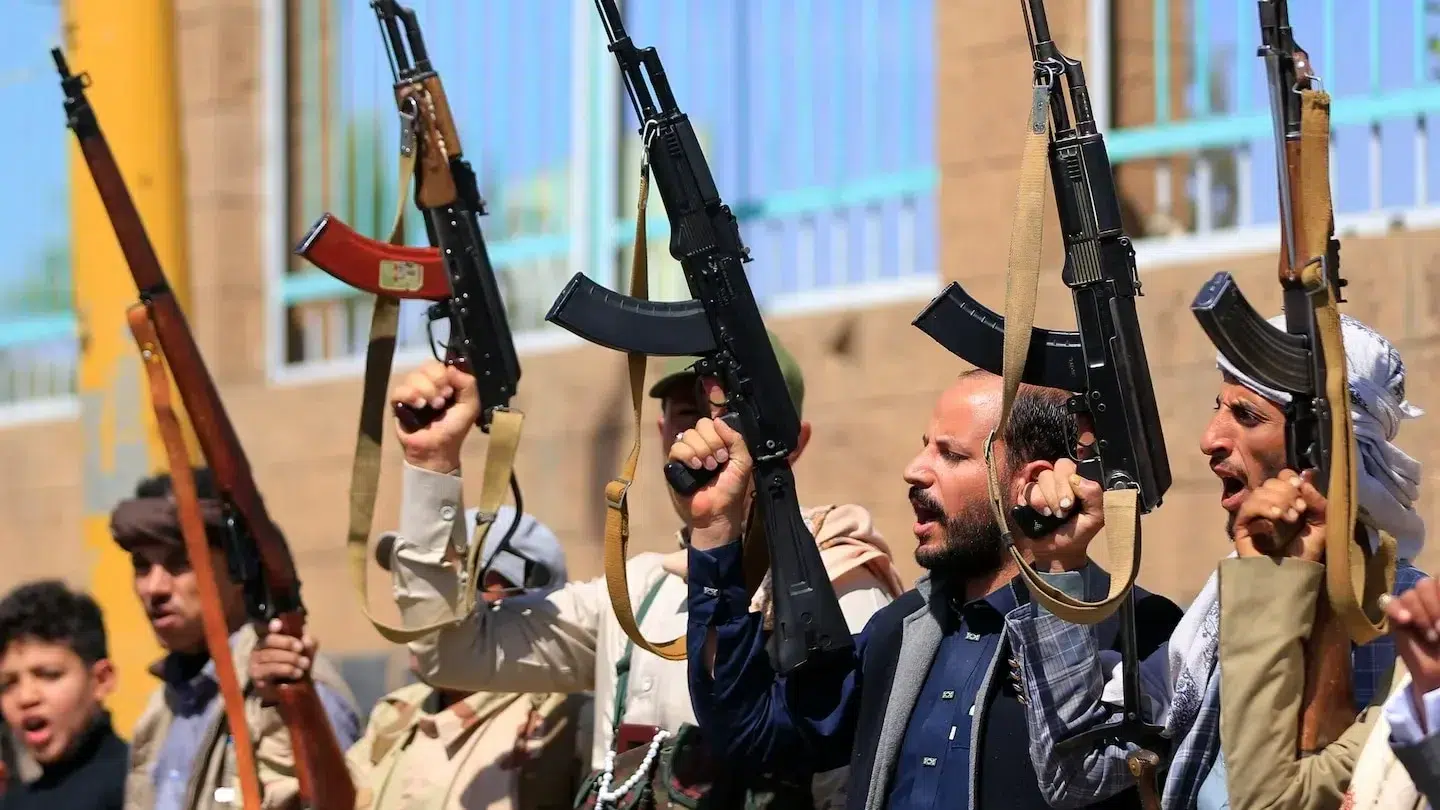
The regional impact is already being felt, as the European Union and other international bodies issue urgent calls for de-escalation. Military analysts warn that the threat to the Bab el-Mandeb Strait, in particular, could widen the theater of the war, bringing Iranian-backed Houthi forces into a more direct role in the conflict. As the situation remains fluid, officials from both Washington and Tehran are signaling a return to hardline stances, leaving the prospect of a restored ceasefire increasingly uncertain. For real-time updates on this developing international emergency, follow the latest coverage from CBS News.