Afghan Women Flee Forced Marriages Amid Total Taliban Education Ban
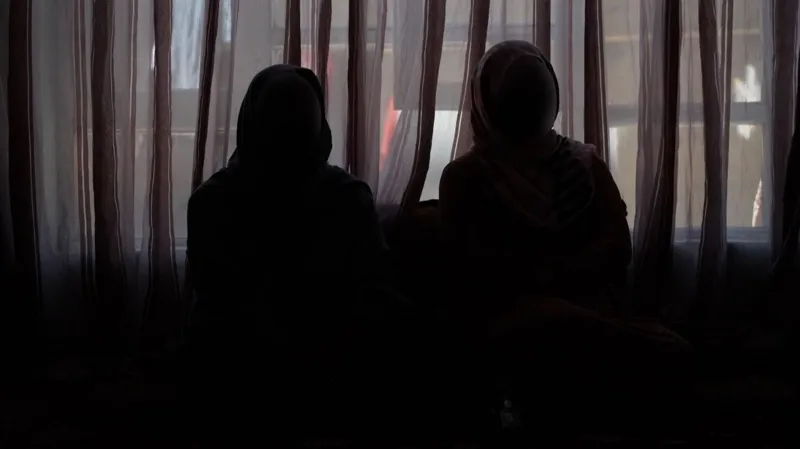
A harrowing escape by a young Afghan woman has spotlighted the escalating crisis of forced marriages in Afghanistan, where the Taliban government has systematically stripped women and girls of their fundamental rights. The young woman, identified under the pseudonym Alia for her safety, made the high-risk decision to flee her rural village after her parents insisted that marriage was her only remaining option in life. Covered completely from head to toe in compliance with strict dress codes, Alia and her female cousin secretly hailed a local taxi and traveled hundreds of miles to the capital city of Kabul. The long-distance journey was exceptionally perilous, as the repressive regime strictly prohibits women from traveling extensive distances without being accompanied by a male guardian, or mahram.
Alia’s defiance underscores a deeply concerning national trend where the complete absence of academic and professional opportunities is leaving families to view early marriage as the sole viable path forward for their daughters. Nearly five years after the Taliban initialed its sweeping ban on female secondary education, human rights organizations report that the prevalence of child and forced marriages has risen dramatically. The trauma is widespread among the youth population, with many young women describing themselves as walking around like dead bodies while watching young men their age graduate and attend universities. The situation has been further compounded by new legislation enacted this past week that implies official legal approval for child marriage, stating that a minor girl’s silence can be legally interpreted as her explicit consent to a union.
The United Nations has warned that the long-term societal impacts of these continuous education bans are irreversible and will severely damage the future of the nation. International data suggests that if the educational restrictions persist through 2030, more than two million young girls will be entirely deprived of an education beyond the primary school level. While Alia has managed to find temporary refuge in Kabul to pursue private English courses funded by her reluctant family, millions of other young women remain trapped under the strict dictates of the regime. The international community continues to call for immediate policy reversals, though regional inspectors have only intensified their enforcement of the decrees, leaving an entire generation of Afghan women mourning their unfulfilled dreams.