Saudi Arabia Recalibrates Vision 2030 to Limit Megaproject Spending
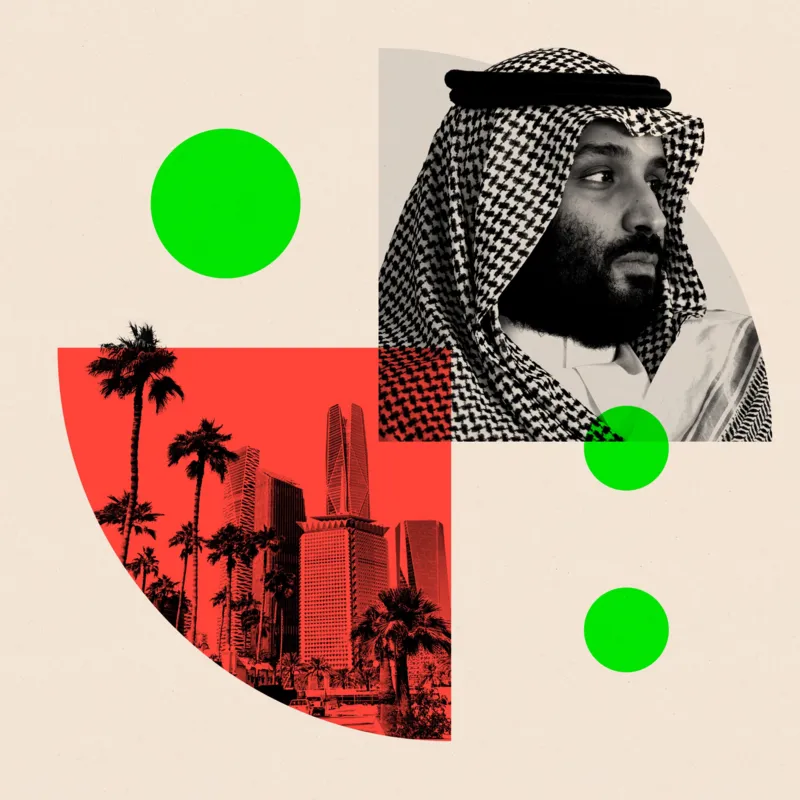
Saudi Arabia has initiated a sweeping recalibration of its multi-billion dollar economic transformation strategy, signaling that the era of unconstrained state spending on futuristic megaprojects has officially shifted toward fiscal discipline. The government is moving decisively away from broad, high-volume real estate commitments to prioritize targeted infrastructure investments with guaranteed economic returns. This strategic pivot follows a severe first-quarter fiscal report from the Saudi Ministry of Finance revealing a deficit of 125.7 billion riyals, equivalent to roughly 33.5 billion dollars. The widening financial gap was significantly worsened by a prolonged two-month closure of the Strait of Hormuz shipping lane, which severely choked oil export revenues at a time when total government expenditure surged by twenty percent year-on-year.
The absolute center of this fiscal contraction is the downsizing of signature giga-projects funded by the Kingdom’s sovereign wealth engine, the Public Investment Fund. The flagship mirror city known as The Line, originally envisioned as an ambitious 170-kilometer linear metropolis across the desert, has been drastically reduced to a five-kilometer development to be completed by 2030. Similarly, infrastructure developments at the ultra-futuristic mountain resort of Trojena have faced steep spending cuts of at least twenty percent across corporate portfolios, forcing the indefinite postponement of the scheduled 2029 Asian Winter Games. To offset these mounting domestic budget deficits without liquidating its core central bank foreign reserves, Riyadh has aggressively turned to international debt markets, aiming to expand its total bond capital pool to 600 billion dollars by the end of the year.
While discretionary global splurges are being heavily rolled back—including an official confirmation that the state will terminate its multi-billion dollar funding of the LIV Golf circuit—the Kingdom is not abandoning its core diversification goals. Finance Minister Mohammed al-Jadaan emphasized that the state is entering the third phase of Vision 2030, which focuses on maximizing productivity by moving capital into high-yield technology and logistical assets. State resources are now being strictly guarded and redirected toward mandatory commitments, such as the Riyadh Expo 2030 and the 2034 FIFA World Cup stadiums, alongside critical domestic priorities like municipal services, artificial intelligence data hubs, and renewable energy grids.