
Germany Rejects JD Vance Claim of EU Meddling in Hungary
JD Vance Germany Hungary election interference
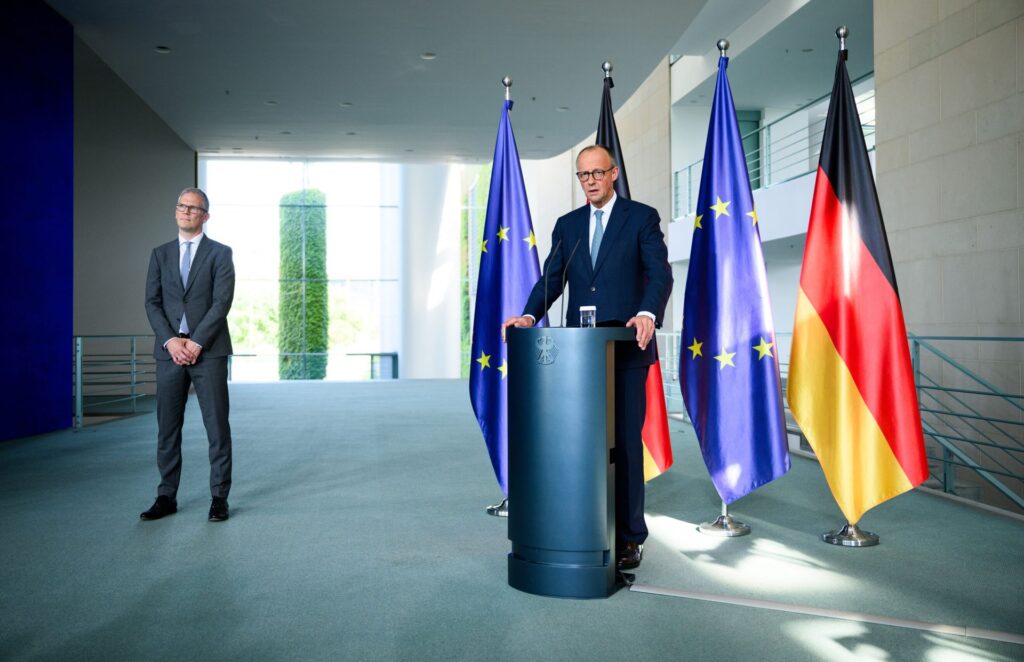
The German government firmly rejected accusations from U.S. Vice President JD Vance on Wednesday, April 8, 2026, regarding alleged European Union interference in Hungary’s upcoming parliamentary elections. Speaking at a news conference in Berlin, Sebastian Hille, the deputy spokesperson for Chancellor Friedrich Merz, characterized Vance’s claims as baseless and pointedly suggested that the Vice President’s own actions constituted the very interference he decried. Hille noted that Vance’s high-profile visit to Budapest just days before the vote spoke for itself regarding who was attempting to influence the electoral outcome. This diplomatic clash marks a new low in transatlantic relations as the Trump administration continues to align itself with nationalist leaders across Europe while distancing itself from traditional allies in Brussels and Berlin. According to reporting from Anadolu Agency, the German rejection follows a series of combative statements made by Vance during his two-day trip to the Hungarian capital.
Vice President Vance ignited the controversy on Tuesday during a joint press conference with Prime Minister Viktor Orbán, where he described the EU’s behavior as one of the worst examples of foreign election interference he had ever seen. Vance accused “bureaucrats in Brussels” of actively trying to destroy the Hungarian economy and undermine its energy independence because of their personal animosity toward Orbán. He specifically criticized the European Commission for allegedly pressuring social media platforms to manipulate the information landscape ahead of the Sunday, April 12, 2026, vote. As detailed by The Guardian, Vance argued that the EU’s efforts to move away from Russian energy were a strategic mistake that harmed Hungarian consumers. He urged the Hungarian electorate to ignore the “scandalous” pressure from Brussels and instead follow the model of national sovereignty championed by the Fidesz party.
The Vice President’s visit was not limited to policy critiques, as he also engaged in direct campaign activities that broke long-standing American diplomatic norms against endorsing candidates in foreign elections. At a “Day of Friendship” rally, Vance went as far as putting President Donald Trump on speakerphone so the president could offer a glowing endorsement of Orbán to the cheering crowd. Trump praised the Hungarian leader as a “fantastic” ally and a defender of Western civilization, further solidifying the bond between the MAGA movement and Orbán’s nationalist government. According to updates from Reuters, these actions have drawn sharp criticism from Orbán’s domestic challenger, Péter Magyar, whose Tisza party is currently leading in several independent polls. Magyar emphasized that the Hungarian election should be decided by its citizens without the overt intervention of foreign government officials from the United States or elsewhere.
The escalating war of words highlights the deep ideological rift between the current U.S. administration and the European Union’s core leadership. While Vance praised Orbán’s energy policies and resistance to EU mandates, German officials maintained that their concerns regarding Hungary are centered on the rule of law and democratic standards. The timing of Vance’s visit is particularly sensitive as Orbán faces his most significant political challenge in over sixteen years. As reported by the Daily Herald, the Biden-era norms of neutrality have been entirely discarded in favor of a proactive “America First” foreign policy that seeks to bolster like-minded populist movements abroad. As the clock ticks toward Sunday’s election, the international community remains focused on whether this unprecedented level of American support will be enough to secure a victory for the embattled Hungarian Prime Minister.