

House Punts on DHS Funding Deal, Extending Record Shutdown Through Recess
House punts DHS spending shutdown April 2026
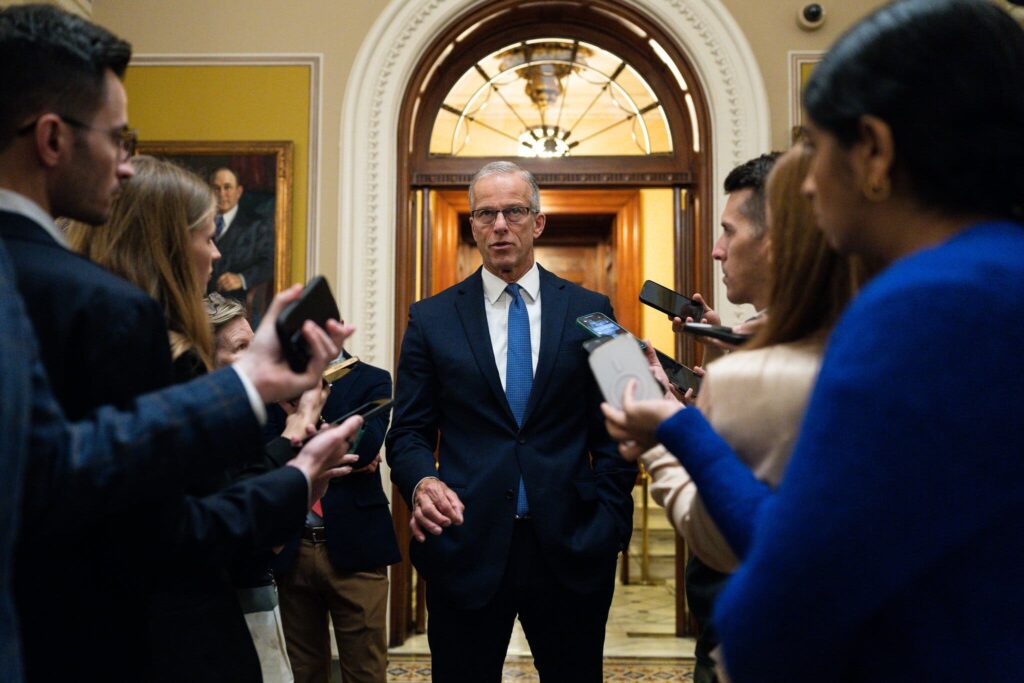
WASHINGTON — The U.S. House of Representatives effectively extended the nation’s record-long partial government shutdown on Thursday, April 2, 2026, by taking no action on a bipartisan compromise to fund the Department of Homeland Security (DHS). During a brief pro forma session, House leadership “punted” on a deal that had been reached just 24 hours earlier between Speaker Mike Johnson and Senate Majority Leader John Thune, leaving the department without funding until at least mid-April.
The deadlock means that over 260,000 DHS employees—including TSA officers, Border Patrol agents, and Coast Guard personnel—will continue to work without pay or remain furloughed as the shutdown enters its seventh week. According to reports from The Guardian, the delay is particularly precarious for the Transportation Security Administration (TSA), which has seen a massive spike in “call-outs” that have paralyzed major airports across the country.
The Two-Track Plan Hits a Roadblock
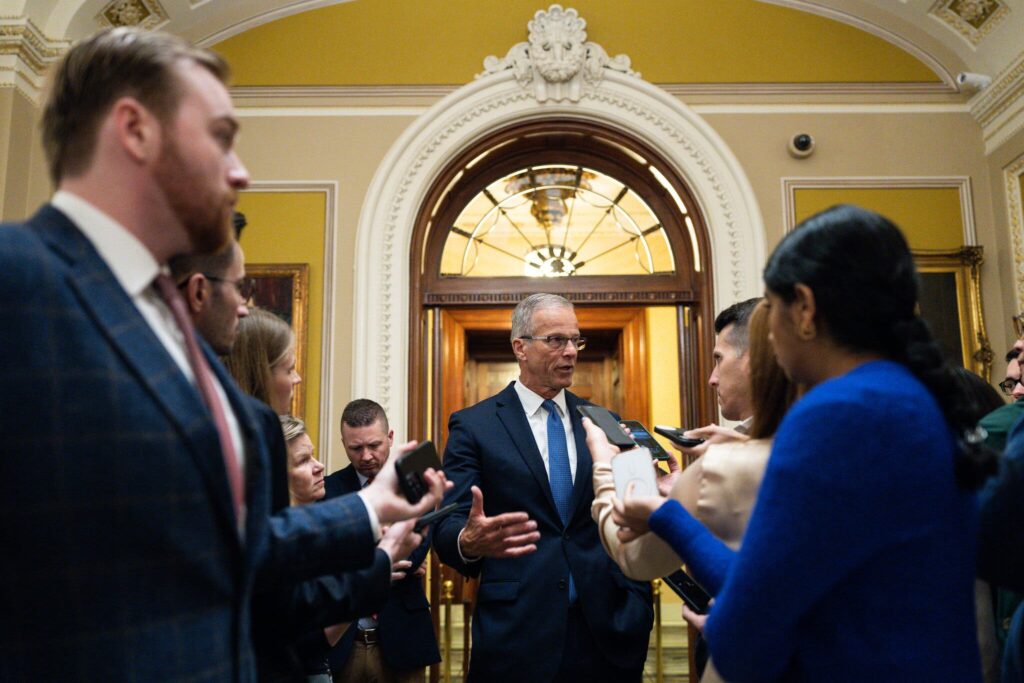
The “punting” of the bill comes as a surprise following Wednesday’s announcement of a two-track strategy endorsed by President Trump. The plan was designed to break the impasse that began in mid-February after Democrats demanded reforms following fatal shootings involving federal agents in Minnesota.
- Track One: Pass a bipartisan Senate measure to fund most of the DHS immediately, excluding the contentious budgets for Immigration and Customs Enforcement (ICE) and U.S. Border Patrol.
- Track Two: Fund ICE and Border Patrol through a partisan reconciliation process, which Republicans hope to complete by June 1 to bypass a Democratic filibuster.
Despite the leadership agreement, the House failed to advance the first track during Thursday’s session. House Republicans, facing pressure from the far-right Freedom Caucus, reportedly balked at passing any measure that did not immediately include full funding for the President’s mass deportation operations. As noted by the Associated Press, Speaker Johnson was unable to secure the necessary support to recall lawmakers from their spring recess for a formal vote.
Impact on National Security and Travel
While the rest of the federal government remains open and funded, the localized shutdown of DHS is creating significant “operational and security risks,” according to House Appropriations Committee members.
- Aviation Chaos: Long security lines have become the norm at hubs like O’Hare and Hartsfield-Jackson as unpaid TSA agents quit or call out in record numbers.
- Cybersecurity Vulnerabilities: The Cybersecurity and Infrastructure Security Agency (CISA) is operating at “limited capacity,” a concern amplified by the ongoing regional war in Iran.
- Emergency Management: FEMA grants for state and local anti-terrorism efforts remain frozen, though disaster response capabilities are currently maintained through emergency reserve funds.
What Happens Next?
With both chambers now on recess, no further legislative action is expected until lawmakers return to Washington the week of April 13. President Trump has expressed his frustration on Truth Social, urging Republicans to “work as fast and as focused as possible” to replenish funding for border agents. However, until the House can reconcile the leadership’s “two-track” plan with the demands of its most conservative members, the Department of Homeland Security remains in a state of unprecedented financial limbo.