
Trump Threatens NATO Exit Over Lack of Support in Iran War
Trump NATO withdrawal Iran war
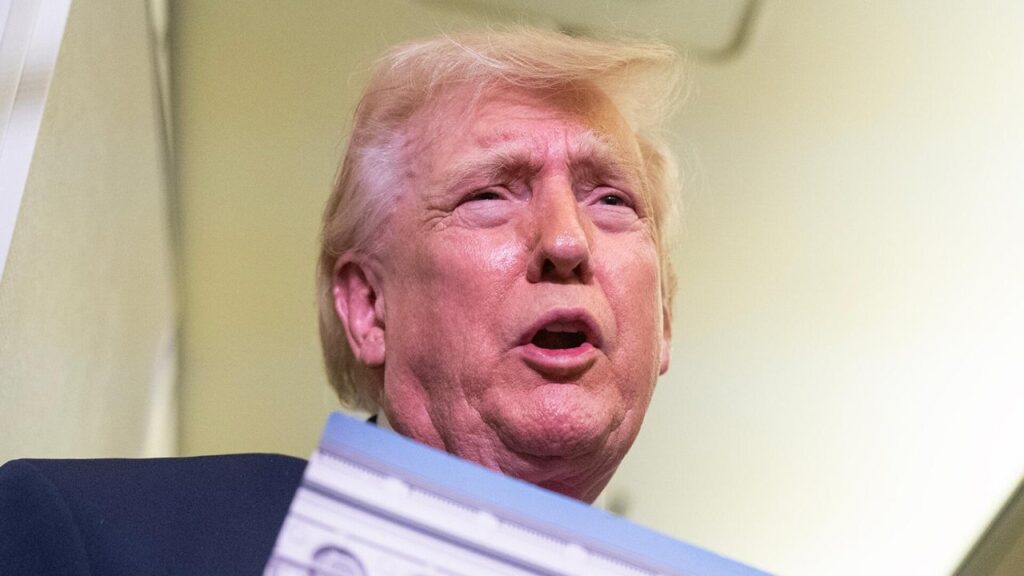
President Donald Trump escalated his rhetoric against transatlantic allies on Wednesday, April 1, 2026, by suggesting that the United States may formally withdraw from the NATO defense alliance. Speaking with reporters at the White House and in an interview with The Telegraph, the President expressed profound frustration over the lack of international military support for the ongoing conflict in Iran. Trump characterized the 77-year-old alliance as a “paper tiger” and asserted that the decision to leave is now “beyond reconsideration” because members failed to provide assistance when it was most needed. According to reports from CBS News, the President equated the current situation to past support for Ukraine, noting that while the U.S. was there for Europe, the favor has not been returned during “Operation Epic Fury.”
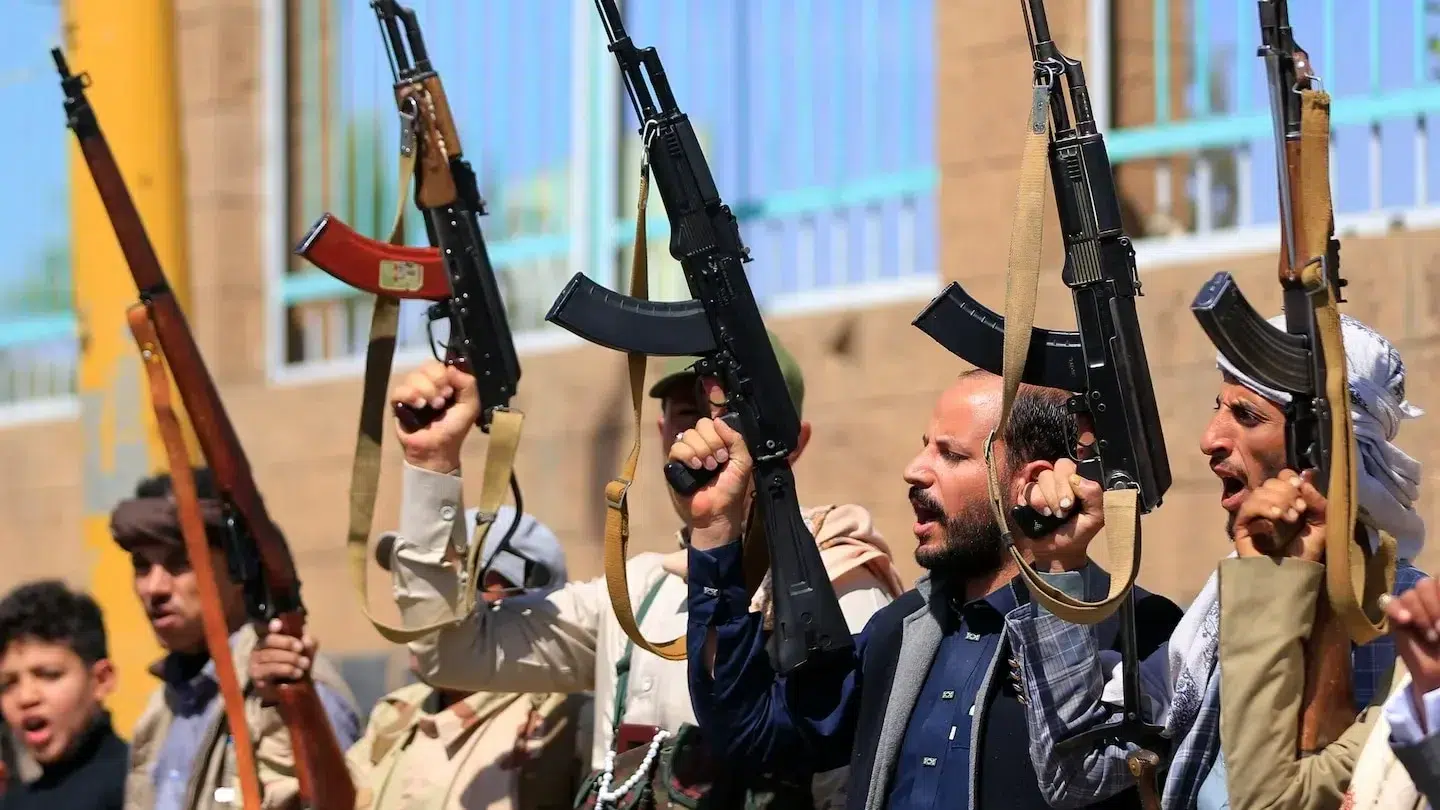
The rift between Washington and its allies centers on the refusal of several NATO members to participate in military efforts to reopen the Strait of Hormuz, which has remained largely blocked since the war began on February 28. Trump specifically targeted the United Kingdom and France for their hesitation, at one point dismissively describing the British Royal Navy as having “aircraft carriers that didn’t work.” As detailed by coverage from Anadolu Agency, the President argued that allied support for U.S.-led operations should be “automatic” rather than a matter of lengthy diplomatic negotiation. Secretary of State Marco Rubio echoed these sentiments, describing the alliance as a “one-way street” and suggesting that the administration will officially re-examine the U.S. relationship with NATO once the current hostilities conclude.
While the President’s threats have caused immediate instability in global markets, legal experts remain divided on whether he can unilaterally terminate U.S. membership without congressional approval. Current federal law typically requires a two-thirds majority vote in the Senate to approve a treaty withdrawal, a hurdle that remains significant despite Republican control of the chamber. Nevertheless, the ongoing tensions are expected to be a central theme of the President’s scheduled 9:00 p.m. ET national address tonight. As the White House prepares for this prime-time broadcast, officials indicate that Trump will provide a “decisive” update on the war’s progress, which he recently claimed could end within the next two or three weeks regardless of whether a formal deal is reached with the Iranian regime.