
Trump Considers Winding Down US Military Operations
Trump Iran war wind down March 2026
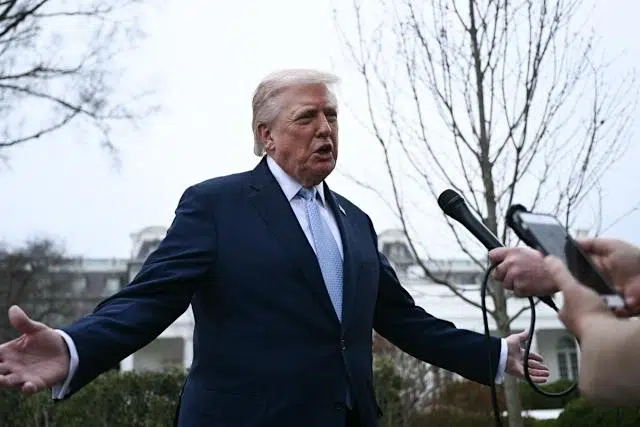
President Donald Trump announced on Friday, March 20, 2026, that the United States is seriously considering “winding down” its massive military operations against Iran, suggesting that the mission to dismantle the regime’s offensive capabilities has reached a turning point.
Speaking to reporters at the White House, the President claimed that the three-week-long campaign, known as Operation Epic Fury, has resulted in the “total destruction” of Iran’s nuclear infrastructure and primary command centers.
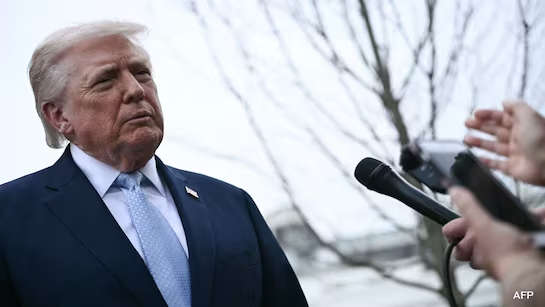
Trump emphasized that his administration has no interest in a prolonged occupation or “nation-building” project, asserting that the goal was always a surgical strike to remove a global threat. “We’ve done what we went there to do,” Trump stated, according to official White House transcripts. “I don’t want to be there one day longer than we have to be. We’re looking at a very quick wind-down.”
The President’s comments follow a series of high-profile Israeli and American strikes that eliminated key members of Iran’s national security council and crippled the country’s energy production at the South Pars gas field. While the Iranian military continues to launch sporadic drone and missile salvos toward Israel and Gulf neighbors, U.S. intelligence assessments suggest that the IRGC’s ability to coordinate a sustained regional war has been “fatally compromised.”
Despite this, Trump clarified that any full withdrawal is contingent on the permanent reopening of the Strait of Hormuz, which remains a primary chokepoint for 20% of the world’s oil supply. He noted that while he is eager to bring American troops home, the “peace must be secured” to prevent a resurgence of hostilites that could once again destabilize global energy markets.
The international community has reacted to the announcement with a mix of relief and skepticism. Global oil prices, which had spiked to over $112 per barrel earlier in the week, dipped slightly to $108 as traders weighed the potential for a de-escalation of the conflict.
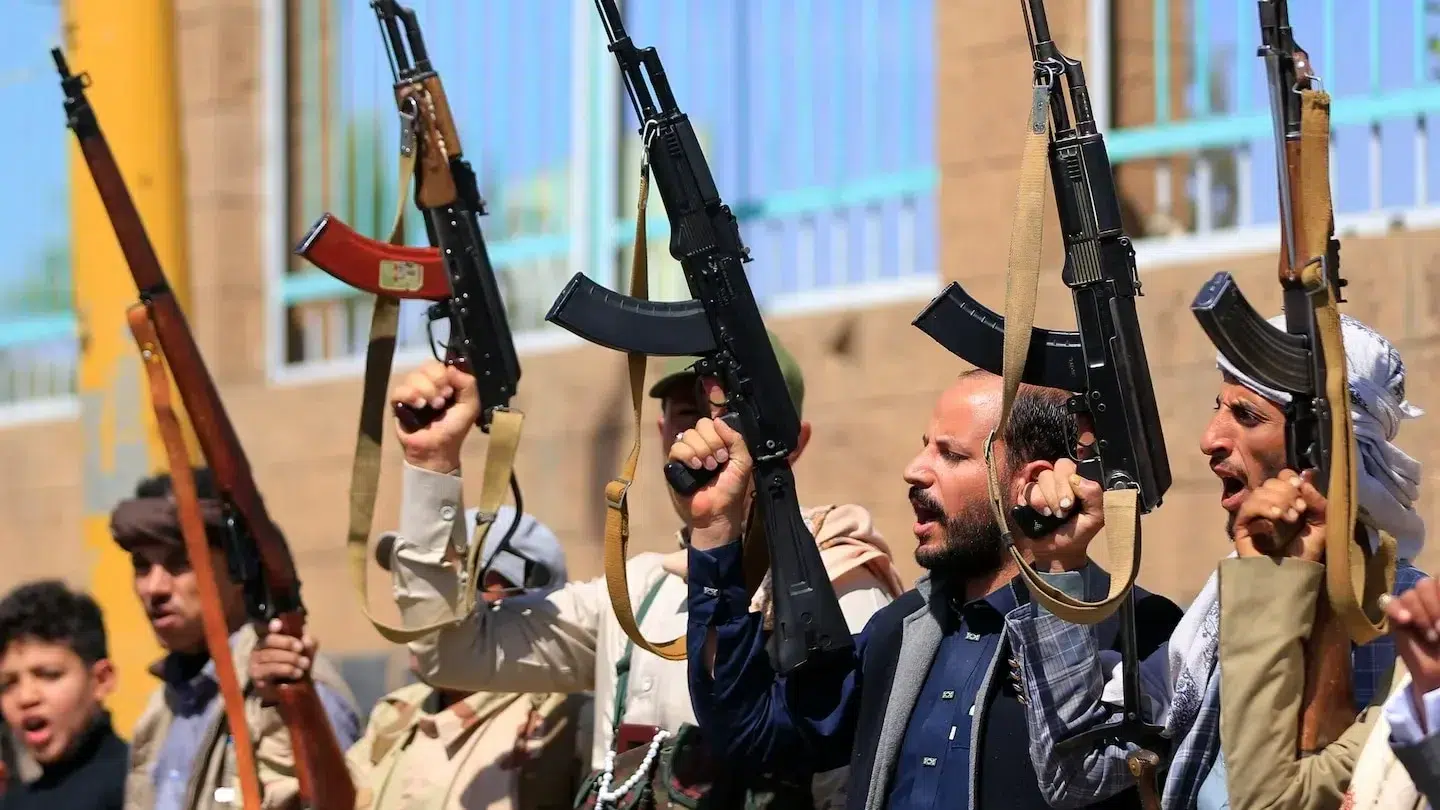
However, European allies and regional partners in the Middle East have expressed concern that a premature U.S. exit could leave a power vacuum, particularly as Iran’s proxy networks in Lebanon and Yemen remain active. The Guardian reports that several NATO leaders have requested a formal summit to discuss the “day-after” strategy for regional security.
As the administration begins drafting a timeline for the reduction of naval and air assets in the Persian Gulf, the world remains watchful for any definitive signs of a ceasefire or a formal diplomatic off-ramp to the most significant conflict of the decade.