

Conservatives Blast New Judicial Ethics Rules
federal judicial ethics guidance controversy 2026
A sharp ideological battle has erupted in Washington following the release of new ethics guidance for the federal judiciary. Conservative legal experts and prominent Republican allies are formally condemning a recent advisory opinion from the Judicial Conference of the United States, which clarifies that federal judges may publicly respond to what it labels “illegitimate forms of criticism and attacks.” Critics, led by Article III Project founder Mike Davis, argue the move provides “judicial saboteurs” with new rhetorical tools to undermine the executive branch. The backlash centers on fears that the guidance will be applied unevenly to protect liberal jurists while silencing conservative judges who face similar public pressure.
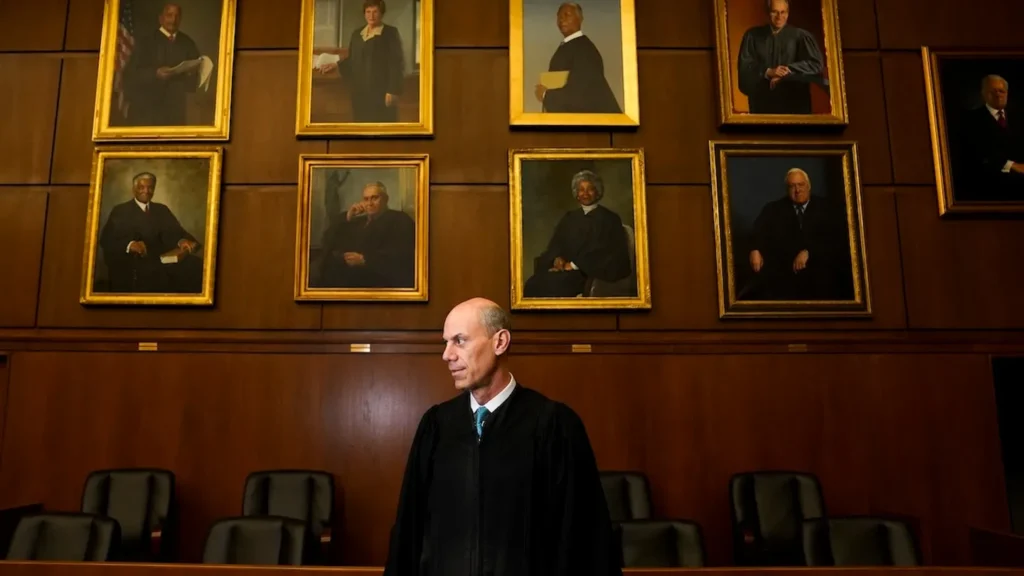
The guidance, issued on February 12, 2026, by the Committee on Codes of Conduct, suggests that judges can engage in a “measured defense” of their colleagues if the criticism risks undermining the rule of law. While the document does not name specific individuals, legal observers note it arrives amidst a period of intense friction between the Trump administration and various district courts. Attorney General Pam Bondi recently denounced what she termed “liberal activist judges” for participating in “unlawful attacks” against presidential authority. Conservatives argue the new rules essentially grant judges a “license to lobby” and engage in partisan bickering under the guise of defending judicial independence.+1
The Arguments Against the Guidance
Opponents of the new rules highlight several key concerns regarding the potential for “judicial overreach”:
- Selective Enforcement: Critics like Josh Blackman, a constitutional law professor, point out that the judiciary did not issue similar protections when conservative judges faced death threats or protests at their homes in recent years.
- Executive Interference: Mike Davis characterized the guidance as an attempt to “sabotage the exercise of core Article II powers” by allowing judges to frame political disagreements as attacks on the “rule of law.”
- Tone and Partiality: The guidance urges judges to avoid “demeaning rhetoric,” yet conservatives argue that the definition of “illegitimate attack” is subjective and likely to be used to chill legitimate political speech from the administration.
The Judiciary’s Defense
Proponents of the update, including court reform groups like Fix the Court, view the move as a necessary shield against a “war on the judiciary.” They argue that as threats against judges, their families, and court staff reach record highs, the “no-comment” tradition has left jurists defenseless. Chief Justice John Roberts has previously warned that violence and disinformation are not appropriate responses to judicial decisions. The committee’s opinion emphasizes that judges must still favor “reasoned discourse” and “restraint,” but it acknowledges that silence in the face of targeted smears can itself damage public confidence in the courts.+2
The timing of this controversy is particularly sensitive as the DHS government shutdown continues and the 2026 midterm cycle begins to heat up. With several high-profile rulings on immigration and executive orders expected this spring, the ability of judges to “speak back” to their critics could become a defining feature of the legal landscape. As the Supreme Court implements new recusal software to address its own ethics concerns, the broader federal judiciary remains caught in a tug-of-war between those seeking traditional silence and those demanding a more vocal defense of the bench.