
Iranian Rial Hits Historic Low of 1.4 Million as Anti-Regime Protests Paralyze Major Cities
The Islamic Republic of Iran is currently facing its most severe domestic crisis in years as a catastrophic collapse of the national currency has triggered a wave of anti-government protests and nationwide strikes. On Thursday, January 1, 2026, the Iranian rial reached a staggering all-time low on the open market, with one United States dollar now trading for approximately 1.4 million rials. This rapid devaluation represents a nearly fifty percent loss in value over the past year alone, effectively wiping out the purchasing power of the middle and working classes. The economic turmoil began to boil over on Sunday when shopkeepers in Tehran’s Grand Bazaar and other major commercial centers shut their doors in a coordinated strike against hyperinflation and market instability. What started as a localized protest by merchants has since evolved into a broad-based movement, with university students and laborers joining the demonstrations to demand the resignation of the ruling theocracy.+3
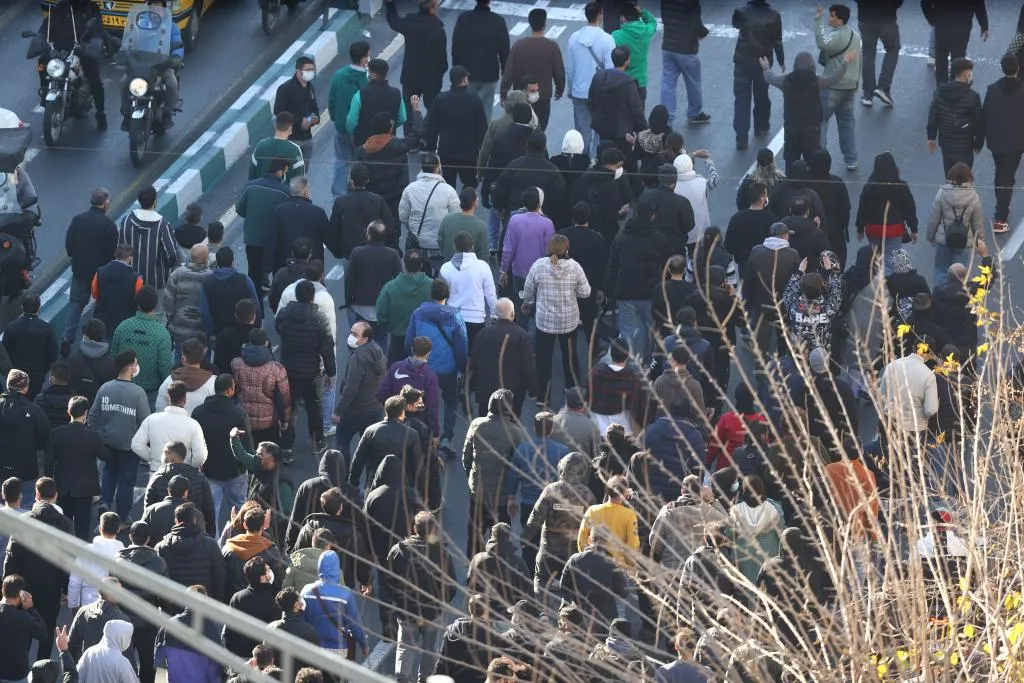
The humanitarian situation inside the country has reached a breaking point as essential goods such as meat, medicine, and housing become increasingly unaffordable for the average citizen. Reports from inside Tehran indicate that basic food staples have seen price increases of over seventy percent compared to last year, while the minimum monthly wage remains stagnant between twelve and fifteen million rials. Protesters have taken to the streets in major urban centers including Isfahan, Shiraz, Mashhad, and Kermanshah, often chanting slogans directly targeting Supreme Leader Ayatollah Ali Khamenei. In many provinces, the focus of the demonstrations has shifted from purely economic grievances to a total rejection of the regime’s authority. Demonstrators have frequently criticized the government for allocating billions of dollars to foreign proxy groups and regional conflicts while domestic infrastructure and the standard of living continue to deteriorate.+3
The response from the Iranian government has been a mixture of conciliatory rhetoric and violent suppression as security forces struggle to contain the widening unrest. On Thursday, fresh clashes between protesters and the Basij paramilitary force resulted in the first reported fatalities of the movement, with at least six individuals killed in the provinces of Lorestan and Chaharmahal and Bakhtiari. President Masoud Pezeshkian has acknowledged the “legitimate demands” of the protesters and admitted that the current economic situation is unsustainable. In a televised address, he announced that the government would stop distributing subsidized exchange rates to intermediaries, a system he blamed for fostering corruption and rent-seeking behavior. However, the president’s proposed budget for the upcoming Iranian New Year, which includes a sixty-two percent tax increase and only a twenty percent rise in civil servant salaries, has only served to further inflame public anger.+2
As 2026 begins, the Iranian regime appears increasingly isolated and vulnerable due to the combination of intensified international sanctions and domestic defiance. Authorities have taken the unusual step of declaring last-minute bank holidays and extended weekends in an attempt to clear the streets, officially citing energy conservation during a cold snap. Despite these measures and the threat of a more “firm” crackdown, the strikes have persisted, with many merchants stating they are willing to face bankruptcy rather than continue under the current system. Social media footage continues to show intense confrontations, with protesters using stones and burning tires to repel security forces in several provincial capitals. International observers are closely monitoring the situation as the “refrigerator protests” threaten to become the most significant challenge to the Islamic Republic’s survival since the 1979 revolution.