
Elon Musk Condemns Yale University Over Lack of Political Diversity Among Faculty Members
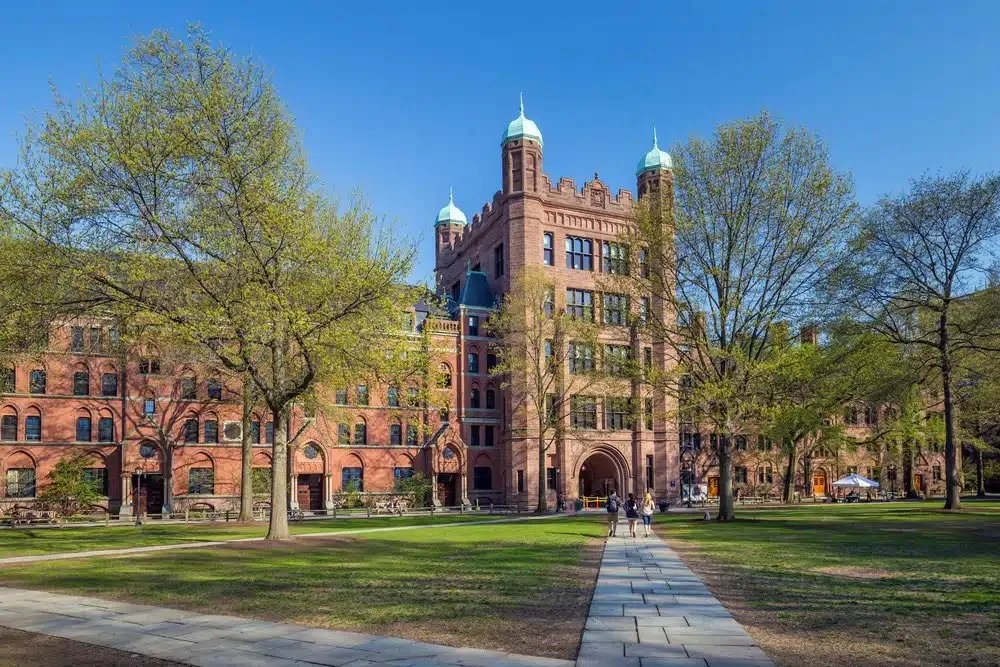
Billionaire Elon Musk has launched a scathing critique against Yale University following the release of a report detailing a significant lack of political diversity within the Ivy League institution. The controversy erupted after data surfaced indicating that thirty separate departments at the university do not employ a single registered Republican faculty member. Musk utilized his platform on X to highlight these findings and characterized the situation as a total failure of academic pluralism. He argued that the absence of differing political perspectives creates an intellectual echo chamber that undermines the quality of education provided to students. This public condemnation comes at a time when the current administration is increasingly scrutinizing the use of federal funds in higher education institutions that demonstrate perceived ideological bias.
The report that triggered the response from Musk was based on an analysis of voter registration data among professors across a wide range of academic disciplines. It revealed that in departments ranging from the humanities to the social sciences, the overwhelming majority of educators are registered as Democrats or affiliated with left-leaning political parties. Critics of the university system suggest that this disparity reflects a broader trend of “ideological sorting” that has accelerated over the last decade. These observers argue that the hiring processes in elite universities may inadvertently or intentionally exclude qualified candidates who hold conservative or centrist views. Musk’s comments have intensified the national conversation regarding whether prestigious colleges are fulfilling their mission to provide a well-rounded and objective learning environment.
In his social media interactions, Musk suggested that the lack of Republican representation at Yale is a symptom of a deeper cultural issue within American academia. He emphasized that true diversity must include a diversity of thought and political philosophy rather than focusing solely on demographic categories. As a prominent figure in the Department of Government Efficiency, Musk has frequently signaled his intent to challenge institutions that he believes are no longer serving the public interest or operating with transparency. The tech leader’s focus on Yale follows similar criticisms he has leveled against other top-tier universities like Harvard and the University of Pennsylvania. These institutions have faced mounting pressure from both the public and federal lawmakers to address concerns about institutional neutrality and political intolerance on campus.
Yale University has historically defended its hiring practices by stating that it recruits the most qualified scholars in their respective fields regardless of their personal political affiliations. Proponents of the current system argue that an individual’s voting record does not necessarily dictate their ability to teach objectively or conduct rigorous research. However, the data showing zero Republicans in thirty departments has made it difficult for the university to dismiss claims of systemic bias. Some faculty members within the Ivy League have expressed concern that the growing political homogeneity could lead to a decline in critical thinking and a narrowing of the curriculum. The controversy has sparked calls for new transparency measures that would require universities to report more detailed information about the ideological composition of their teaching staff.
The fallout from this latest exchange between Musk and the academic elite is expected to have long-term implications for the future of higher education policy. Lawmakers are currently considering legislation that would tie university accreditation and federal research grants to a demonstrated commitment to intellectual diversity. This move is supported by those who believe that taxpayer-funded institutions should reflect the diverse political landscape of the nation they serve. As the debate continues, Yale and its peer institutions are being forced to navigate a challenging political environment where their internal cultures are under constant public scrutiny. Elon Musk’s vocal opposition ensures that the issue of academic bias will remain a central theme in the broader national effort to reform American institutions.