
US State Department Immediately Pauses Visa Issuance for All Afghan Passport Holders
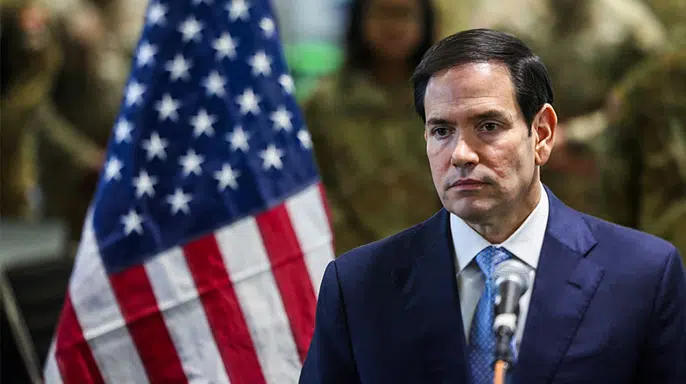
The United States Department of State has announced an immediate and comprehensive freeze on the processing and issuance of visas for all travelers holding Afghan passports, a significant policy escalation following the deadly attack on National Guard members in Washington, D.C. The decision was formally announced late Friday by the State Department, which cited an urgent need to protect U.S. national security and public safety. Secretary of State Marco Rubio publicly confirmed the directive, posting on social media that President Donald Trump’s State Department had paused visa issuance for “ALL individuals traveling on Afghan passports,” asserting that protecting the nation has no higher priority.
The sweeping policy shift comes in the immediate aftermath of the Wednesday shooting incident near the White House complex, in which an Afghan national, identified as Rahmanullah Lakanwal, allegedly opened fire on two National Guard service members. Specialist Sarah Beckstrom, twenty, was tragically killed, and Staff Sergeant Andrew Wolfe, twenty-four, remains in critical condition. Authorities confirmed the suspect, who entered the U.S. in 2021 and was later granted asylum, was wounded and taken into custody at the scene.
This State Department action on visa issuance is the latest and most stringent of a series of immigration crackdowns instituted by the Trump administration following the attack. The move compounds the indefinite halt on the processing of all immigration requests relating to Afghan nationals, a prior directive issued by U.S. Citizenship and Immigration Services (USCIS). That prior freeze also placed under review the more than one hundred thousand pending Afghan immigration cases, including those for Special Immigrant Visas from individuals who directly assisted U.S. forces before the 2021 withdrawal. Critics of the policy, including advocacy groups like AfghanEvac, argue that the wide-ranging measures constitute unfair collective punishment against an entire community, many of whom are allies who face direct threats from the Taliban.