Tehran Rejects Notion of Imminent US Deal, Citing Washington’s ‘Vacillation’
Iran has officially pushed back against assertions that a final diplomatic agreement to end the war with the United States is imminent. Speaking at a weekly press briefing in Tehran on Monday, Iranian Foreign Ministry spokesman Esmaeil Baghaei clarified that while negotiators have reached a mutual understanding on a large portion of the issues under discussion, a final signing is not yet in sight. Baghaei pointedly attributed the bottleneck to what he described as “institutionalized vacillation” and contradictory statements coming from Washington, as well as political interference from Israel. The statements represent a sharp deceleration in momentum after weeks of back-channel ceasefire talks brokered by Pakistani mediators.
The primary point of contention centers on the sequencing of the proposed 14-point Memorandum of Understanding (MoU). Baghaei emphasized that the current framework is strictly limited to halting the war across the region—including securing a ceasefire in Lebanon—and ending the restrictive U.S. naval blockade on Iranian ports that has been rigidly enforced since mid-April. Crucially, Tehran insists that highly contested nuclear details, such as the fate of Iran’s highly enriched uranium stockpile, have been entirely deferred to a separate 60-day negotiation window that will only trigger after the initial framework is officially signed. This timeline directly clashes with the public demands of U.S. officials, who are facing heavy domestic pressure from congressional hawks to secure immediate, sweeping nuclear concessions.
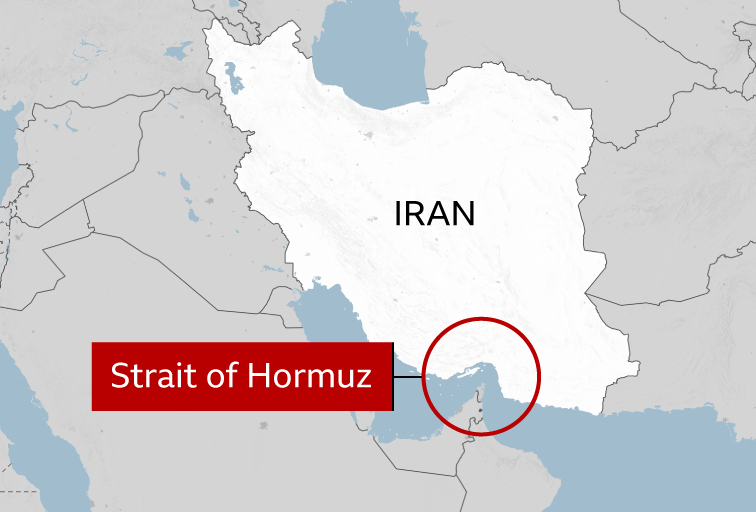
The maritime rules governing the strategic Strait of Hormuz also remain a highly sensitive sticking point. While the blueprint calls for Iran to restore commercial shipping traffic to pre-war levels within 30 days, Tehran rejected the idea that it is imposing “tolls” on an international waterway. Instead, Baghaei argued that Iran retains the absolute legal right to collect specific fees for “navigational services” and environmental protection measures in cooperation with Oman. Regional commentators view the emerging draft not as a permanent resolution, but as a roadmap toward a managed, hostile coexistence aimed at temporarily defusing the immediate military flashpoints that broke out earlier this year.
In Washington, the Trump administration has simultaneously tempered expectations while maintaining a firm public stance. US Secretary of State Marco Rubio, speaking from an official visit to New Delhi, stated that a “pretty solid proposal” remains on the table regarding the opening of the straits, but acknowledged that a complex regional agreement cannot be achieved “in 72 hours on the back of a napkin.” President Donald Trump echoed this deliberate approach on Truth Social, instructing American negotiators not to rush the process and reiterating that the comprehensive naval blockade will remain in full force and effect until a “Great Deal” is certified and signed.