
Macron Rejects Resignation After French Rioting Exposes Intel Failure
French President Emmanuel Macron publicly acknowledged severe “failures in anticipation and intelligence” on Monday after nationwide demonstrations over public service cuts and rising living costs descended into widespread rioting, looting, and arson. Despite growing political pressure and calls from opposition leaders for administrative accountability, Macron formally rejected the resignation submitted by Interior Minister Laurent Nuñez.
The Élysée Palace confirmed that the president refused the departure to ensure unbroken command over security services, directing Nuñez instead to overhaul law enforcement field tactics and conduct a transparent review into how intelligence agencies failed to foresee the scale of the violence. According to an official news report published by Punch, the decision came as authorities surveyed extensive structural damage across major metropolitan areas.
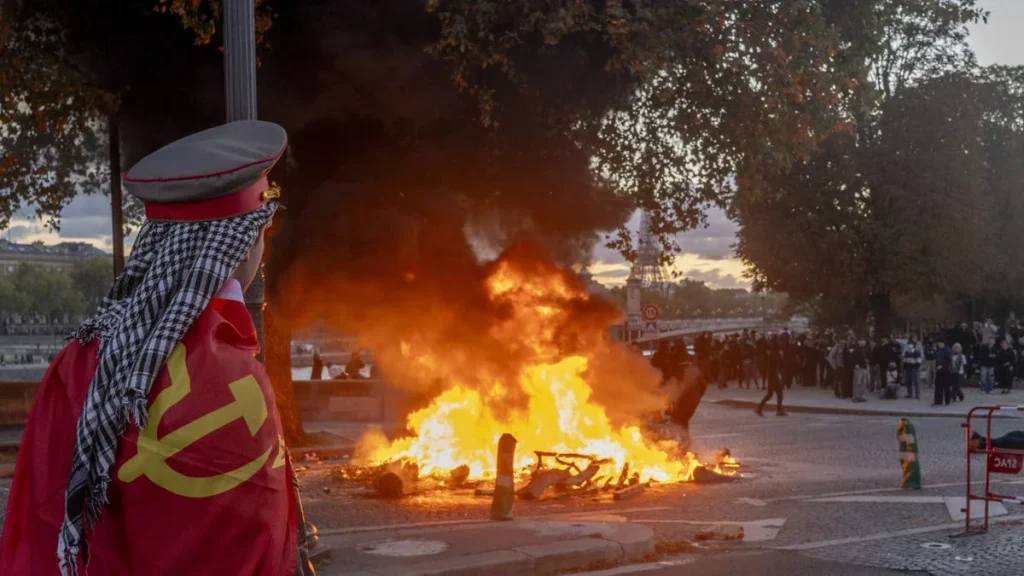
The crisis escalated over the weekend as student-led demonstrations merged with broader public frustration over economic pressures, culminating in urban chaos across Paris, Marseille, Lyon, and Limoges. Interior Ministry figures confirm that police arrested nearly 2,400 individuals nationwide on Saturday and Sunday alone, with nearly 1,000 police officers and gendarmes sustaining injuries during violent confrontations.
Bands of agitators set fire to municipal buildings—including the historic 19th-century City Hall in Limoges—while targeting approximately 1,500 commercial businesses and storefronts. In response to law enforcement being overwhelmed by coordinated looting, authorities deployed over 60,000 security personnel and instituted temporary assembly bans across several urban centers.
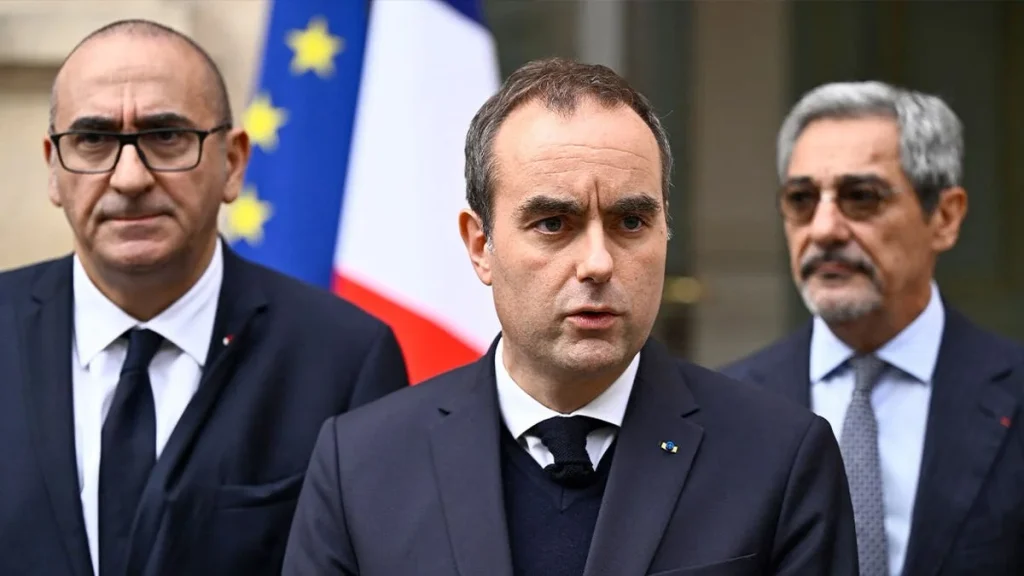
Speaking to national media, Nuñez accepted institutional responsibility for the security lapse, conceding that police forces were caught unprepared by the speed and intensity of the mob tactics. The security breakdown has triggered intense political backlash, with opposition leaders accusing the government of failing to maintain basic public safety.
Meanwhile, financial markets reacted nervously to the prolonged civil instability, marked by rising French bond yields and declines in major domestic banking shares. Macron instructed the cabinet to expedite emergency policing strategies to restore order while parliamentary committees prepare hearings into the intelligence community’s operational oversights.